Espresso Dialing Tips for Better Shots at Home
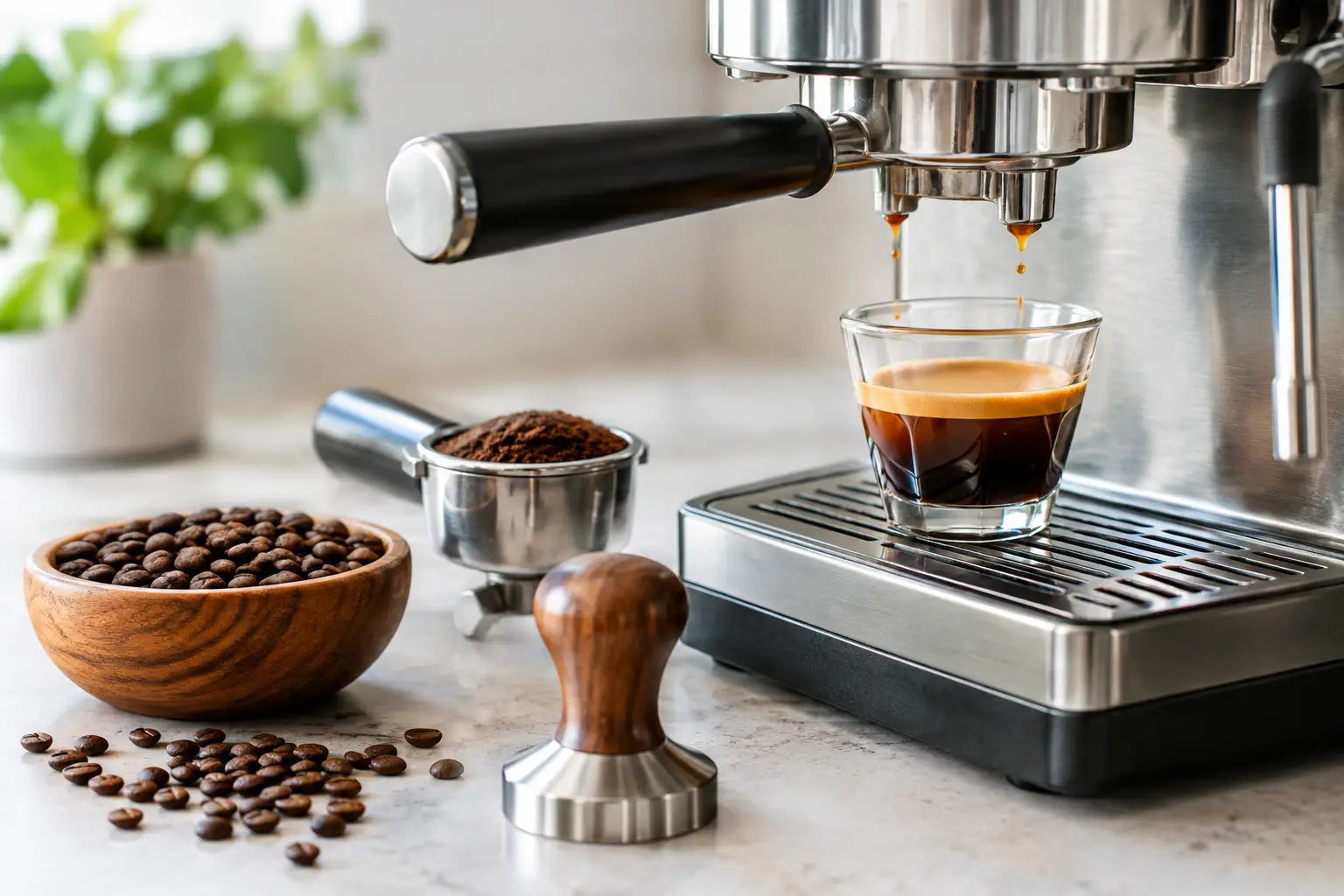
A beautiful bag of freshly roasted coffee deserves more than guesswork. The best espresso dialing tips are not about chasing a perfect number on a screen. They are about learning how your coffee responds, then making small, thoughtful adjustments until the cup tastes sweet, balanced, and distinctly alive.
At home, dialing in can turn the first quiet minutes of the morning into a ritual worth keeping. With a reliable scale, a good burr grinder, and fresh specialty beans, café-quality espresso is absolutely within reach.
Start With a Clear Espresso Recipe
Before changing anything, give yourself a consistent starting point. For a standard double espresso, begin with 18 grams of ground coffee in the portafilter and aim for 36 grams of liquid espresso in the cup. This is called a 1:2 brew ratio.
Try to reach that yield in roughly 25 to 32 seconds, timing from the moment you start the pump. It is a useful baseline, not a rule carved in stone. A darker roast may taste its best at a shorter ratio or faster shot, while a light, high-grown single origin may need a slightly longer ratio to reveal its fruit and florals.
Write down your dose, yield, time, and a few notes about taste. This small habit removes the mystery. Instead of wondering what happened, you have a clear record of what to try next.
Use Fresh Coffee, But Let It Rest
Freshness is one of the greatest advantages of buying small-batch specialty coffee. Still, coffee needs time after roasting to release excess gas. Espresso often becomes easier to dial in after about 7 to 14 days of rest, depending on the roast and coffee.
Coffee that is extremely fresh can run unevenly, produce oversized crema, and taste sharp or underdeveloped. Older coffee can pull too quickly and lose its sweetness. Keep beans in an airtight container away from heat, light, and moisture, and buy quantities you can enjoy while they are still vibrant.
Espresso Dialing Tips That Actually Change the Cup
Most espresso problems come down to three connected variables: grind size, dose, and yield. Water temperature and pressure matter too, but if you are using a well-maintained home machine, begin with the variables you can repeat every day.
The most useful rule is simple: change one thing at a time. If you adjust the grind, dose, temperature, and yield together, you may get a better shot but learn nothing about why it improved.
If the Shot Runs Too Fast, Grind Finer
A shot that reaches 36 grams in 18 to 22 seconds is usually flowing too quickly. The coffee may taste thin, sour, salty, or strangely hollow because the water has not had enough time to dissolve the sweeter, more developed flavors.
Move your grinder slightly finer, then pull the same recipe again. On many home grinders, a tiny adjustment can make a meaningful difference. Give the grinder a moment to clear out retained grounds before judging the next shot.
If the espresso tastes pleasantly bright but not sour, do not automatically grind finer. Acidity can be wonderful in a washed Ethiopian or a lively Colombian coffee. The question is whether that brightness is balanced by sweetness and a satisfying finish.
If the Shot Runs Too Slow, Grind Coarser
When 36 grams takes 35 seconds or more, the puck may be offering too much resistance. The result can taste dry, bitter, woody, or overly intense, with little room for the coffee’s natural character.
Grind a little coarser and keep the dose and yield the same. Avoid making huge changes. Espresso rewards patience, and a modest click or two can bring a shot back into balance.
A slow shot is not always a bad shot. Some medium-light coffees taste delicious with a longer extraction time, especially when they are brewed at a slightly higher yield. Taste should lead the decision, not the timer alone.
Adjust Yield When Flavor Needs More Room
If your shot is close on time but still tastes too sharp, try increasing the yield. For example, keep your 18-gram dose and let the espresso run to 40 grams instead of 36. That extra water can soften acidity and bring out caramel, cocoa, or stone-fruit sweetness.
If the shot tastes watery, papery, or too bitter at the finish, stop it earlier. A 30- to 34-gram yield may create a fuller body and more concentrated flavor. This is especially helpful for chocolate-forward blends and darker profiles intended for milk drinks.
Think of yield as choosing the shape of the cup. A shorter shot can feel rich and syrupy. A longer shot can feel clearer and more open. Neither is automatically better - it depends on the coffee and the moment you want to create.
Prepare the Puck With Care
Even a precise recipe can fail if water finds an easy path through the coffee bed. This is called channeling, and it often causes a confusing mix of sourness and bitterness in the same shot.
Start by distributing the grounds evenly in the basket. If you use a dosing funnel and a thin needle tool, gently break up any clumps before tamping. Then tamp level with steady pressure. You do not need to press with heroic force. Once the coffee is compacted, a level, repeatable tamp matters far more than extra muscle.
Wipe loose grounds from the rim of the portafilter, lock it in, and start the shot right away. Leaving prepared coffee exposed to hot air can make results less consistent.
Keep Your Equipment Warm and Clean
A cold portafilter or cup steals heat from espresso quickly. Let the machine warm up fully, including the portafilter, and rinse your cup with hot water before brewing. These details are small, but espresso is small too. Every degree is felt.
Clean the basket and flush the group head between shots. Coffee oils build up quickly and can leave even excellent beans tasting harsh. If your shots become inconsistent despite a stable recipe, inspect the grinder for retained grounds and clean it according to the manufacturer’s guidance.
Match Your Recipe to the Coffee
Single origin coffees can be especially rewarding on espresso, but they may ask for a little more curiosity. A classic Brazil or Central American coffee with notes of chocolate and nuts often responds beautifully to a 1:2 ratio. It can create a comforting, rounded espresso that holds its own in a cappuccino or latte.
Fruit-forward African coffees can be more delicate. They may benefit from a slightly longer ratio, such as 18 grams in and 40 to 45 grams out, to make their berry, citrus, or tea-like notes feel sweet rather than sharp. If your machine allows temperature control, lighter roasts may also appreciate a bit more heat.
For milk drinks, taste the espresso on its own before adding milk. The goal is not necessarily an espresso that is perfect as a straight shot. You may want a slightly more concentrated, chocolate-forward extraction that stays present beneath steamed milk. Dialing in for your favorite drink is the right kind of precision.
Build a Routine You Can Repeat
Consistency is where confidence comes from. Weigh every dose and yield until your hands learn the routine. Purge a small amount of coffee from the grinder before the first shot if it has been sitting overnight. Use the same basket, cup, and recipe while you are dialing in.
If the coffee changes, expect the recipe to change too. Humidity, bean age, and a new roast date can all affect flow. That is not failure. It is the honest craft of espresso, and it is part of what makes each cup personal.
When you find a shot that makes you pause after the first sip, save the recipe. Then make it again for someone you love. The best espresso is not just measured in grams and seconds - it is measured in the warm, unhurried moments it helps you create at home.