Hotel Coffee Service That Guests Remember
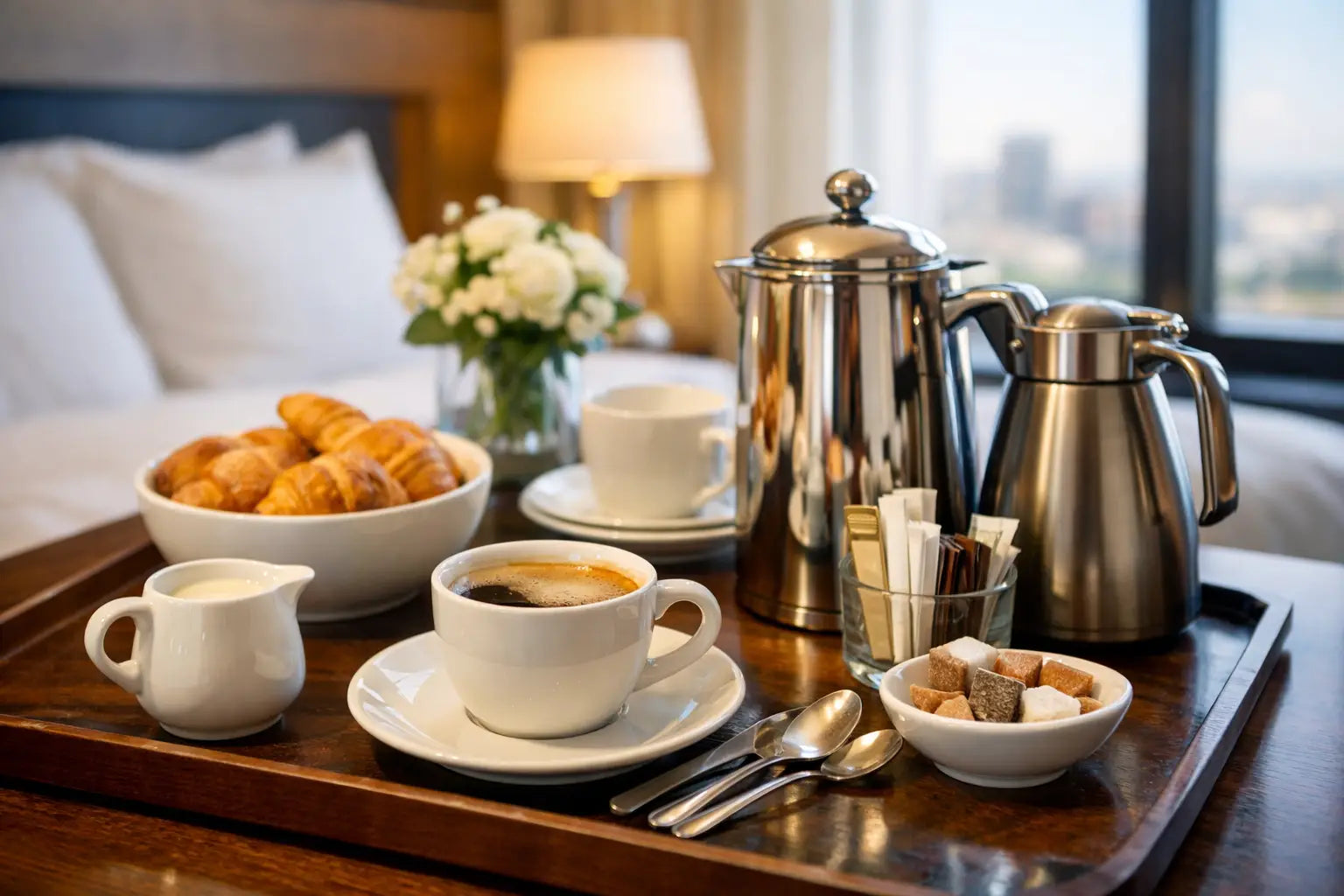
A guest may forget the lobby scent or the artwork above the bed, but they will remember the coffee that greeted them at 6:30 a.m. before a meeting, a flight, or a long-awaited day of travel. Hotel coffee service is not a minor amenity. It is one of the first quiet signals of how much care a property puts into comfort.
For hotels, boutique inns, resorts, and event spaces, the opportunity is bigger than replacing a generic packet with a better bean. A thoughtful coffee program can turn a rushed morning into a welcomed ritual, reinforce a premium room rate, and give guests a reason to associate the property with warmth long after checkout.
Why Hotel Coffee Service Carries So Much Weight
Coffee meets guests in personal moments. Some want a strong cup before opening their laptop. Others want a slow pour-over on a balcony, or an espresso after a late dinner. Because it is woven into the rhythm of a stay, its quality is felt more often than many more expensive hotel details.
That does not mean every property needs a full lobby café staffed from sunrise to midnight. The right approach depends on the size of the hotel, room mix, guest expectations, labor capacity, and available space. A compact business hotel may gain more from excellent in-room single-serve coffee and a fast lobby station. A design-forward boutique property may benefit from a barista-led program that becomes part of its identity.
The common thread is intentionality. Guests can tell when coffee is treated as an afterthought. Stale grounds, weak brews, powdery creamers, and equipment that is difficult to use create friction at the exact moment guests are looking for ease.
Start With Coffee Worth Serving
The foundation of hotel coffee service is the coffee itself. Freshly roasted specialty Arabica offers clearer flavor, fuller sweetness, and a more memorable finish than commodity-grade alternatives. It also gives a hotel a genuine story to share: where the coffee was grown, how it was sourced, and why it was selected.
Look for coffees with transparent origins and specialty quality markers, such as Q-grade scores of 84 or higher. Single origin coffees can be especially compelling for boutique hotels, premium suites, and café menus because they give guests a distinctive experience. A washed Colombian may bring caramel, citrus, and balanced body, while an Ethiopian coffee can offer floral aromatics and ripe fruit notes.
Blends have an important place, too. A well-built espresso or house blend is often the more practical choice for a busy breakfast service because it delivers consistency across many drinks. The goal is not to chase novelty at every turn. It is to choose a profile that tastes excellent, performs reliably, and suits the equipment your team actually uses.
Freshness matters just as much as origin. Coffee reaches its best expression within a considered window after roasting, and whole beans generally preserve flavor longer than pre-ground coffee. Hotels with on-site grinders should prioritize whole bean programs. Properties using in-room brewers can work with carefully portioned ground coffee, ideally packed to protect aroma and quality.
Match the Format to the Guest Experience
A strong program does not need to look the same in every part of the property. Think about where, when, and how guests drink coffee.
In-room coffee should feel easy, not disposable
In-room coffee is about convenience, but convenience should not require compromise. A clean brewer, clear instructions, a proper ceramic mug when possible, and coffee with real flavor make a meaningful difference. If disposable cups are necessary, choose sturdy cups and lids that do not leave a papery taste behind.
Consider the room type as well. Standard rooms may call for a familiar medium roast that is approachable and balanced. Suites and premium rooms can support an elevated offering, such as a single origin coffee, a small French press, or a compact grinder-and-brewer setup. The upgrade should feel useful, not decorative.
Lobby stations need speed and care
The lobby is often where service and hospitality meet. During peak morning hours, guests need clear flow, reliable equipment, and coffee that stays hot without tasting scorched. Batch brew can work beautifully when it is made in smaller, frequent batches rather than left sitting for hours.
Offer milk or half-and-half that is properly chilled, sweeteners that are easy to find, and stirrers or lids arranged with purpose. These small operational details prevent the station from feeling chaotic. If your property serves decaf, treat it with the same respect as regular coffee. Decaf guests notice when their only option tastes neglected.
A café program can create a destination
For hotels with the right traffic and staffing, an espresso bar can become more than an amenity. It can welcome local neighbors, support meetings, and create a daily point of connection. A concise menu usually works better than an oversized one: well-made drip coffee, espresso drinks, a seasonal option, tea, and a few thoughtful pastries or breakfast items.
The trade-off is operational. Espresso quality requires training, dial-in routines, cleaning discipline, and equipment maintenance. If a team cannot support those standards consistently, a focused batch brew bar with excellent beans may create a better guest experience than poorly executed lattes.
Equipment Is Part of the Flavor
Even extraordinary coffee will disappoint when brewed on poorly maintained equipment. Water temperature, contact time, grind size, cleanliness, and holding time all influence the cup. That is why choosing equipment is only half the decision. A daily care routine is what protects quality.
For high-volume breakfast areas, commercial batch brewers paired with thermal servers offer dependable capacity. Thermal service is often preferable to hot plates because it helps preserve flavor and prevents coffee from cooking as it waits. For smaller properties or premium common areas, bean-to-cup machines can offer fresh grinding with lower labor demands, though the drink quality varies by machine and requires regular cleaning.
In-room capsule systems are convenient and familiar, but they may conflict with a hotel’s sustainability goals or specialty positioning. Recyclable or compostable options can help, yet the best choice depends on local waste infrastructure. There is no universal answer. The useful question is whether the format delivers the flavor, speed, and waste profile your property wants to stand behind.
Water deserves attention, too. Hard or heavily treated water can flatten delicate flavors and cause scale buildup in equipment. Appropriate filtration protects both the cup and the machine, making it one of the most practical investments in a coffee program.
Train the Details Guests Actually Notice
Coffee training does not need to turn every front desk associate into a certified barista. It should give the team confidence with the basics: how to start a fresh batch, when to discard coffee, how to clean a brewer, where decaf is stored, and how to answer a simple question about flavor.
Build a short tasting session into onboarding. Let staff try the coffee black, then with milk, and describe what they notice. When employees understand that a coffee has notes of chocolate, toasted almond, or berry, they can speak about it naturally instead of relying on scripted language.
Service recovery matters here as well. If the machine is down or a guest receives a poor cup, offer a clear alternative quickly. A complimentary espresso at the bar, a fresh pour-over, or even a bag of coffee to take home can transform a small inconvenience into a generous gesture.
Make the Program Feel Like Your Property
The best hotel coffee programs have a point of view. A mountain lodge might feature rich, comforting coffees that pair with early mornings and cold air. A coastal retreat may lean toward bright, fruit-forward single origins. A business-focused hotel may emphasize speed, consistency, and travel-ready cups without sacrificing freshness.
Use simple menu language that makes the experience inviting. Share the origin, roast level, and a few honest tasting notes. If your coffee is ethically sourced and freshly roasted, say so clearly. These details give guests confidence that their morning cup was chosen with care.
For hospitality teams looking for a specialty wholesale partner, House Coffee brings freshly roasted, ethically sourced Arabica and approachable guidance to programs that want to serve more than an ordinary cup. The right partner should be able to help with coffee selection, volume planning, and a format that fits the property rather than forcing a one-size-fits-all solution.
A remarkable stay is often built from small, repeatable moments. Serve coffee that smells inviting, tastes alive, and gives guests a pause before the day begins. That first cup can make a room feel less like a stopover and a little more like home.