What Is Small Batch Coffee and Why It Tastes Better
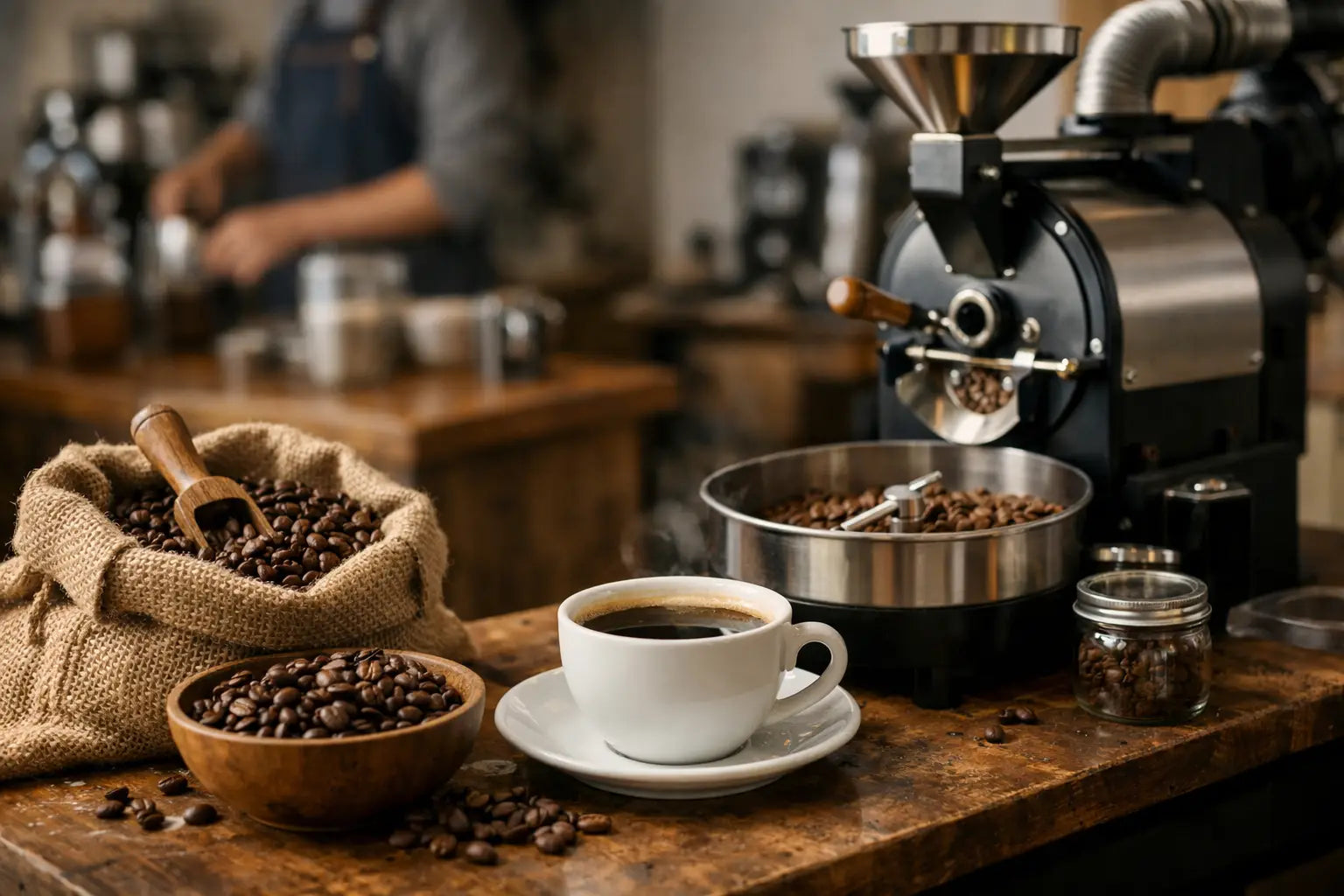
A coffee bag can look beautiful, carry an impressive origin name, and still taste flat if it has been sitting too long. So, what is small batch coffee? At its best, it is coffee roasted in intentionally limited quantities, with close attention paid to how each lot develops in the roaster and how quickly it reaches your kitchen.
Small batch coffee is not simply about making less coffee. It is about making coffee with more care at every stage that affects the cup: selecting the green coffee, creating a roast profile, checking consistency, and packing it close to its roast date. For anyone who sees coffee as a daily ritual rather than a quick caffeine stop, that attention can turn an ordinary morning into a cherished moment.
What Is Small Batch Coffee, Exactly?
Small batch coffee is coffee roasted in relatively small, manageable loads instead of massive industrial volumes. The precise size of a batch varies by roaster and equipment. A small production roaster may handle a few pounds at a time, while another specialty roaster may work in larger batches that still allow for careful control. There is no universal legal definition of “small batch,” which is why the phrase deserves a closer look.
The meaningful difference is the roaster’s level of attention. In a small-batch setting, a roast team can monitor the coffee’s color, aroma, temperature curve, and development time as the beans transform. They can adjust a profile for a dense, high-grown washed coffee from Ethiopia differently than they would for a naturally processed coffee from Colombia. Those details shape whether your brewed cup tastes bright and floral, rich and chocolatey, or round and caramel-sweet.
Small batch can also support more frequent roasting. Rather than producing an enormous supply intended to sit in warehouses and on shelves for months, a roaster can release coffee in a rhythm that keeps inventory moving. Freshness is not the only measure of quality, but it is one of the most noticeable differences for home brewers.
Why Smaller Roasts Can Create Better Flavor
Coffee is an agricultural product with a remarkable amount of character already inside the green bean. Origin, variety, elevation, processing method, and harvest conditions all leave their mark. Roasting should bring that character forward, not cover it up.
With a smaller roast batch, it is easier to treat a coffee as an individual lot rather than a commodity. A specialty roaster can taste the results, compare them with the intended flavor profile, and refine the next roast if needed. That feedback loop matters, particularly with single-origin Arabica coffees, where the goal is often to preserve a distinct sense of place.
Imagine two coffees: one is developed longer to build deeper cocoa notes for espresso, while the other is roasted more lightly to highlight juicy stone fruit and tea-like sweetness in a pour-over. Neither approach is automatically better. The right approach depends on the coffee and the brewing experience the roaster wants to create. Small-batch roasting makes those purposeful choices more practical.
It can also reduce the temptation to roast every coffee to the same dark, uniform level. Dark roasting has a place, especially for people who love bold, bittersweet flavor. But when every bean is roasted very dark, subtle differences in origin can disappear. Carefully roasted specialty coffee gives you the chance to taste more than just roastiness.
Small Batch Does Not Automatically Mean Specialty
The term “small batch” sounds premium, but it should not be treated as a guarantee on its own. A tiny roast can still begin with low-quality green coffee, be roasted inconsistently, or reach you long after its best window. Likewise, a larger specialty roaster can produce excellent coffee with disciplined quality control.
Look at small batch as one piece of a larger quality picture. The strongest signals usually work together:
- A visible roast date, so you can judge freshness for yourself
- Specific origin details, such as country, region, producer, or processing method
- A clear flavor description that helps you choose coffee for your preferred brew method
- Specialty-grade standards, including high cupping scores when the roaster shares them
- Thoughtful sourcing practices that recognize the growers behind the coffee
Freshness Is Where You Feel the Difference at Home
Freshly roasted coffee carries aromatic compounds that bring life to the cup. When you grind the beans, you may notice notes of toasted sugar, citrus peel, berries, nuts, or cocoa filling the room. Over time, exposure to oxygen slowly softens those aromas and mutes the coffee’s flavor.
Coffee also releases carbon dioxide after roasting. This process, often called degassing, affects brewing. Coffee brewed immediately after roasting may be harder to dial in, especially for espresso. For many coffees, a short rest gives flavors time to settle. The ideal window depends on the roast level, preparation method, packaging, and your personal taste, but fresh coffee is generally at its most expressive in the weeks after roasting rather than many months later.
That does not mean you need to chase a bag roasted yesterday. A coffee subscription or regular delivery schedule can be a comfortable answer: coffee arrives often enough to stay fresh without turning your pantry into a stockroom. Buy whole beans when possible, keep them in their sealed bag or an airtight container away from heat and light, and grind just before brewing.
What Small Batch Coffee Means for Different Brew Methods
The best small batch coffee for you depends less on a label and more on how you make coffee at home. A balanced blend with chocolate, caramel, and roasted nut notes may be ideal for a drip brewer or a dependable morning espresso. A lively single origin with citrus and floral notes can be especially memorable in a pour-over, where clarity takes center stage.
For espresso, consistency matters. Small-batch roasting can help a roaster keep a blend tasting steady while making seasonal changes as coffee harvests rotate. Still, you should expect some natural variation. Coffee is grown, not manufactured in a lab, and a new harvest may bring a touch more sweetness, fruit, or body. That is part of the beauty of drinking coffee with a real connection to its origin.
For French press and other immersion methods, fuller-bodied coffees often shine because the filter allows more oils and texture into the cup. With cold brew, coffees with notes of cocoa, brown sugar, and nuts can create a smooth, mellow concentrate. There are no hard rules, though. A coffee described as bright can become beautifully refreshing over ice, while a dark roast can make a comforting pour-over when brewed with care.
How to Choose a Small Batch Coffee You Will Love
Start with the cup you want, not the most elaborate tasting notes on the label. If you want a cozy, familiar daily coffee, look for a balanced profile with chocolate, caramel, or nutty notes. If you enjoy tasting something new each week, choose a single origin and pay attention to process and region. Washed coffees often feel clean and structured, while natural-process coffees can lean fruitier and more jam-like.
Then match the roast to your equipment and preferences. Lighter roasts can be vivid and complex, but they may ask more from your grinder and brewing technique. Medium roasts are often versatile and approachable. Darker roasts deliver deeper roast character and can stand up well to milk, though they may show less origin-specific nuance.
At House Coffee, that balance of approachable comfort and specialty detail is the point: carefully sourced, fresh-roasted coffee should feel worthy of a slow weekend pour-over and dependable enough for the first cup before a busy day begins.
The Value Behind the Label
Small batch coffee may cost more than a large grocery-store bag, and that difference is worth considering honestly. Smaller production runs, higher-grade green coffee, careful roasting, quality packaging, and ethical sourcing all add cost. You are not only paying for a marketing phrase. When the coffee is genuinely well made, you are paying for a more deliberate chain of decisions from farm to brewer.
Still, the most expensive bag is not always the right one. A coffee that fits your taste, arrives fresh, and makes you want to slow down for a few minutes is a better value than a rare microlot that feels intimidating or goes stale before you finish it. Start with a size you can use within a few weeks and let your own cup guide the next choice.
The next time you open a fresh bag, take a moment before you brew. Notice the fragrance, read where it came from, and make it the way you enjoy it most. Small batch coffee is an invitation to make room for those simple, flavorful pauses at home.