Should You Freeze Coffee Beans for Freshness?
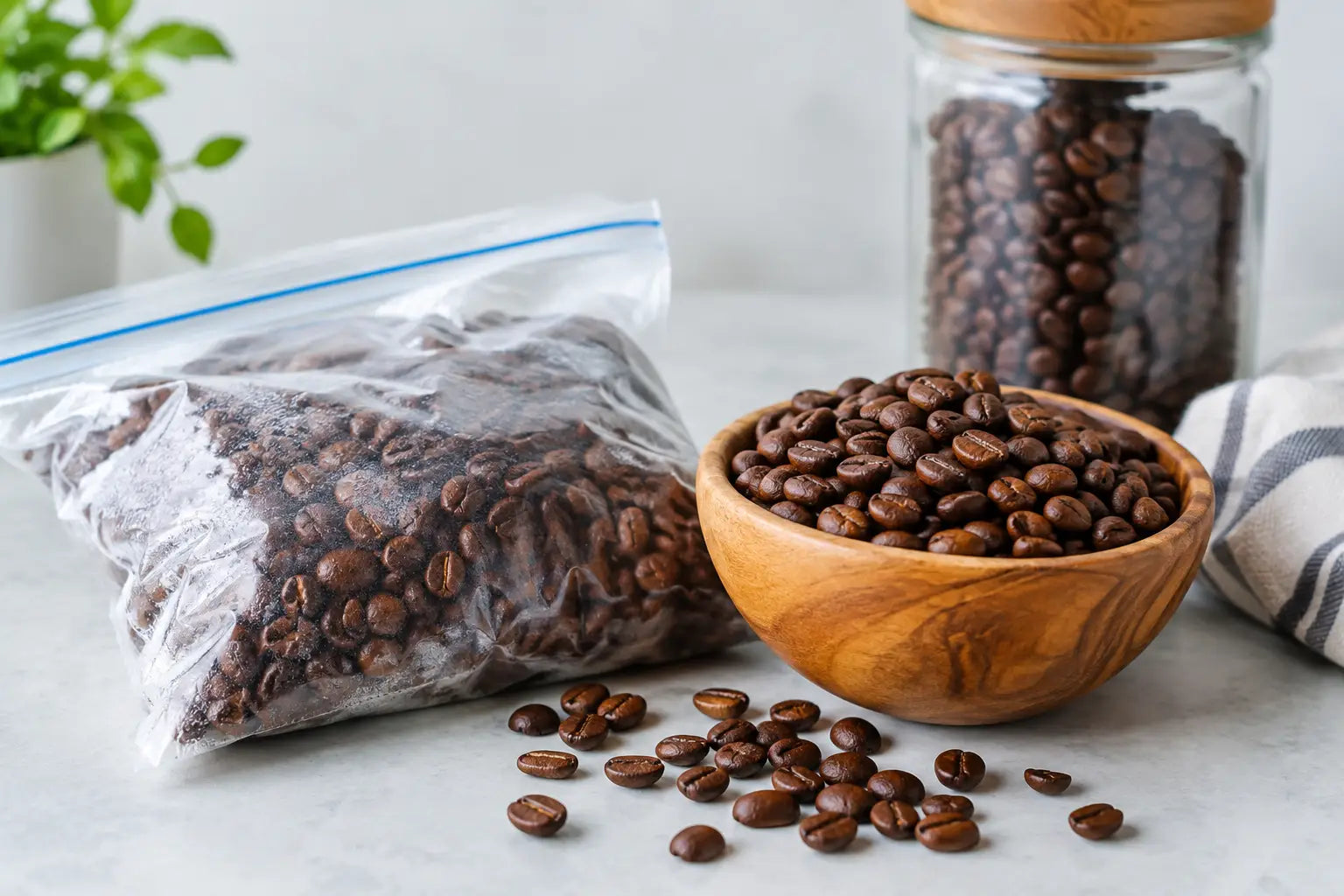
A bag of exceptional coffee can hold the memory of a farm, a careful roast, and the kind of morning you want to linger over. But once you open it, time starts working on those aromas. If you buy more than you can enjoy within a few weeks, learning how to freeze coffee beans can help protect the character you chose them for: bright fruit notes, chocolatey depth, floral fragrance, or a lingering sweetness.
Freezing is not necessary for every bag. If you finish a freshly roasted coffee within two to four weeks of opening it, a cool, dark cupboard and an airtight container are usually enough. Freezing becomes useful when you are stocking up on a favorite single origin, saving a special release, or rotating between several coffees at home. Done well, it can preserve freshness remarkably well. Done carelessly, it can introduce moisture, freezer odors, and frustratingly flat brews.
Should You Freeze Coffee Beans?
Yes, with a few important conditions. Cold temperatures slow the processes that make coffee taste stale. Roasted beans gradually lose aromatic compounds and react with oxygen, which softens sweetness and makes vibrant flavors feel muted. A freezer slows that decline, helping a thoughtfully roasted coffee stay closer to its peak for longer.
The key is to freeze whole beans in small, airtight portions. Coffee is porous and readily absorbs surrounding smells. It also suffers when condensation forms on the beans, especially if you repeatedly move the same container between the freezer and the kitchen counter. Your freezer may be cold, but it is not a neutral environment. Garlic, leftovers, ice trays, and temperature swings from an often-opened door can all affect an unprotected bag.
Freezing will not improve coffee that is already old, poorly stored, or roasted beyond your preference. Think of it as pressing pause, not turning back the clock. Start with specialty-grade beans you genuinely love, ideally soon after they have rested and developed following roasting.
The Best Time to Freeze Freshly Roasted Beans
Fresh coffee needs a little time after roasting. During this resting period, beans release carbon dioxide and settle into a more balanced cup. The ideal rest window depends on the roast style and brew method, but many coffees taste especially expressive after several days, while espresso often benefits from a bit more rest.
Taste your coffee first if you can. When it begins showing the sweetness, clarity, and aroma you hoped for, that is an excellent moment to freeze some of it. For a daily filter coffee, this may be around five to 10 days after roast. For espresso, you may prefer to wait 10 to 14 days or longer. There is no single calendar rule because origin, processing method, roast development, and your brewing preferences all matter.
If you receive several bags at once, keep the one you are drinking now at room temperature and freeze the unopened extras after their initial resting period. This is especially helpful with seasonal coffees you do not want to rush through. It lets you enjoy a range of origins without sacrificing the freshness that makes each one distinct.
How to Freeze Coffee Beans Without Ruining Them
The most reliable approach is simple: divide, seal, freeze, and only open what you plan to use. A large bag that comes out every morning is far more likely to collect moisture than individual portions that stay undisturbed until brew day.
Portion the beans before freezing
Set aside portions sized for about one to two weeks of coffee. The right amount depends on your household and brew recipe, but smaller portions create less waste and eliminate the temptation to refreeze opened beans. If you brew a 20-gram pour-over each morning, a 250-gram portion will last roughly 12 days.
Use airtight, freezer-safe bags or containers with as little extra air as possible. Vacuum sealing is excellent when available, but it is not required. A well-sealed bag with the air pressed out works well for most home coffee drinkers. If the beans are in an unopened retail bag with a one-way valve, place that bag inside a second freezer bag for extra protection from odor and moisture.
Label each portion clearly
Write the coffee name, origin, roast date, and freeze date on the package. It sounds small, but it makes your coffee ritual more intentional. You will know which bag to reach for when you want a washed Ethiopian with lively citrus or a comforting, chocolate-forward blend for an easy Sunday breakfast.
Try to place coffee toward the back of the freezer, where temperatures are more stable. Avoid the door, which warms slightly every time someone reaches for ice cream or frozen vegetables.
Keep the package sealed as it warms
When you are ready to use a frozen portion, you have two good options. You can grind the beans directly from frozen, or let the unopened package come to room temperature before opening it. What you should not do is open a cold bag on a warm, humid counter. That is when condensation can settle on the beans and compromise flavor.
For most brewers, grinding from frozen is easy and effective. Measure the beans while they are still frozen, grind them, and brew as usual. Colder beans are slightly more brittle, so your grinder may produce a subtly different particle distribution. If your cup tastes a little more bitter, slow, or heavy than expected, try a slightly coarser grind. If it tastes thin, make a small adjustment finer. Let the cup guide you rather than making dramatic changes.
If you prefer to thaw the beans, keep the portion sealed until it reaches room temperature. Depending on the package size, that may take a few hours. Once opened, store it in a cool, dark cabinet and use it as you normally would. Do not return that opened portion to the freezer.
How Long Can Coffee Beans Stay Frozen?
For home use, frozen coffee is at its best when enjoyed within a few months, though carefully packaged beans can hold up well for considerably longer. The more completely you protect them from air, moisture, and odor, the better the result will be.
That said, freezing is not an excuse to forget what you have. Coffee is a sensory experience, and the joy is in noticing its character while it is still vivid. Keep a modest rotation rather than building a freezer archive you may not touch for a year. A few well-chosen bags give you variety without turning your morning coffee into a storage project.
When Freezing Is Not the Best Choice
If you buy one bag at a time and finish it quickly, freezing adds an extra step with little practical benefit. Keep your beans in their original sealed bag or an opaque airtight container, away from heat, sunlight, and the refrigerator. The refrigerator is generally a poor middle ground because it is humid, frequently opened, and full of food aromas.
Freezing also may not suit coffee drinkers who enjoy changing recipes daily from the same bag. In that case, a smaller bag and more frequent deliveries can be a better match for your routine. Fresh roasting and thoughtful storage work together. One cannot fully compensate for the other.
For special coffees, though, the freezer can be a quiet ally. A carefully portioned bag of premium Arabica gives you the freedom to save a favorite origin for the right moment: a slow weekend breakfast, a catch-up with an old friend, or an early morning that deserves something more than ordinary.
A great cup is built from small acts of care. Choose beans with a roast date you can trust, protect them from air and moisture, and freeze only what you will not reach for soon. When that saved coffee finally lands in your grinder and fills the kitchen with its aroma, it can still feel like the day it arrived.