Wholesale Coffee Program Guide for Better Service
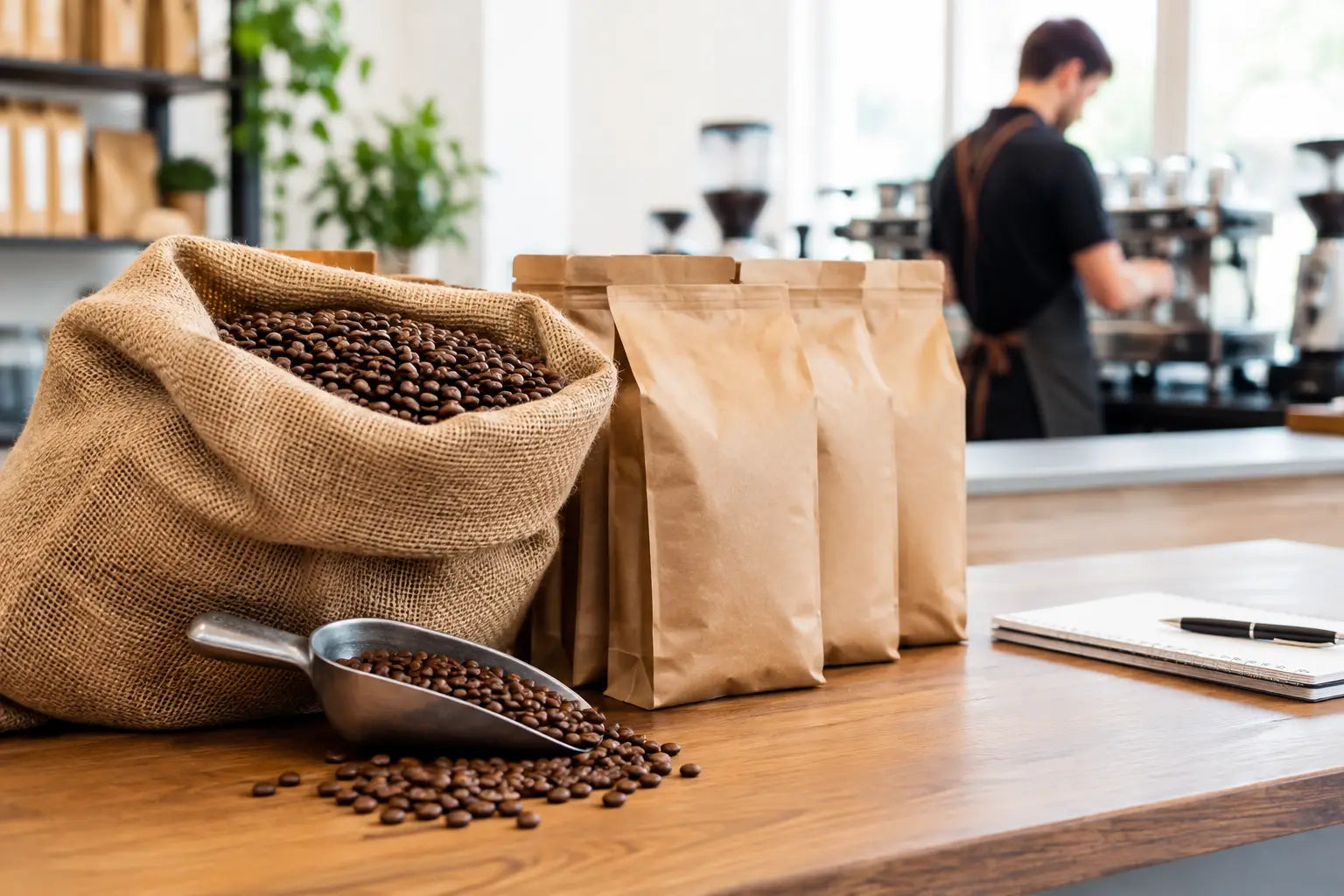
A good wholesale coffee program is felt before it is explained. It is the welcome aroma in a hotel lobby, the reliable first cup in an office, and the espresso that brings a guest back to a neighborhood café. This wholesale coffee program guide is built for businesses that want those moments to feel considered, consistent, and genuinely memorable.
Coffee can be one of the smallest line items on a menu and one of the strongest signals of care. The right program gives your team a dependable product, a clear service plan, and enough flexibility to meet the tastes of the people you serve. The wrong one can leave you with stale inventory, confusing options, and a beautiful machine producing disappointing cups.
Start Your Wholesale Coffee Program With the Guest
Before choosing a roast or comparing case prices, consider where and how people will drink your coffee. A busy breakfast restaurant needs a different offering than a design studio with an espresso bar. A hotel may prioritize a comforting, approachable drip coffee at scale, while a specialty café can make room for rotating single origins and a more detailed menu.
Start with the moment you want to create. Are your guests reaching for a quick cup before a meeting? Sitting down for brunch? Ordering an after-dinner espresso? Those answers shape everything from your bean selection to your equipment and staff training.
A practical starting point is to identify your primary service format: batch brew, espresso, pour-over, cold brew, or a combination. Batch brew is efficient and familiar for high-volume service. Espresso creates a more premium experience but requires calibrated equipment and regular staff practice. Cold brew can support warm-weather demand and simplify a fast-paced menu. There is no universal best choice - there is only what fits your traffic, team, and space.
Choose Coffee for Consistency and Character
Specialty coffee should bring more than a higher price point. Look for clear evidence of quality: fresh roasting, traceable sourcing, careful lot selection, and coffee evaluated at specialty-grade standards. Beans with Q-grade scores of 84 or higher give buyers a useful signal that the coffee has been assessed for cup quality, though the final result still depends on roasting, brewing, and handling.
For many businesses, a well-developed blend should be the foundation of the program. Blends can deliver a balanced, familiar profile from shipment to shipment, making them especially useful for espresso and house drip coffee. Notes such as chocolate, caramel, toasted nuts, and gentle fruit tend to work beautifully with milk while still offering enough sweetness for black coffee drinkers.
Single origin coffee gives your menu a sense of place. A washed Colombian may bring clean sweetness and citrus brightness, while an Ethiopian coffee might offer floral aromas and ripe berry character. These coffees are ideal for rotating features, retail shelves, pour-over bars, and guests who enjoy discovering a new cup. The trade-off is seasonal availability. A single origin can change or sell through, so it should not be the only coffee your business depends on unless you are prepared to adapt your menu often.
Freshness deserves equal attention. Coffee needs time after roasting to rest and develop, particularly for espresso, but it should not sit forgotten in a storeroom. Ask a potential supplier how often they roast, how they package coffee, and how they help customers forecast orders. Fresh roasted coffee is not just a talking point. It is the foundation of aroma, sweetness, and a satisfying finish.
Build a Menu That Is Easy to Run
A wholesale coffee menu should feel generous without overwhelming the bar or the guest. If your operation is new to specialty coffee, begin with one dependable house coffee, one espresso option, and a thoughtful decaf. That simple structure covers the majority of daily orders and gives your team time to perfect each recipe.
From there, add choices for a reason. A seasonal cold brew, a rotating single origin, or an oat milk-friendly espresso can create interest when it supports your customers and workflow. Adding six coffees simply because each one sounds appealing can slow service and increase waste.
Decaf deserves the same care as every other offering. Many guests drink decaf for health, comfort, or time-of-day reasons, and they notice when it tastes like an afterthought. Choose a decaf that is sweet, balanced, and suitable for the way you serve it, whether brewed by the pot or pulled as espresso.
Consider retail at the same time. Guests who enjoy a cup at your café, office event, or hotel often want to take that ritual home. Offering whole-bean bags near checkout can create an additional revenue stream while extending the experience beyond your doors. Keep the assortment focused and train staff to describe each coffee in plain, inviting language.
Make Equipment and Training Part of the Purchase
Even exceptional beans cannot compensate for neglected equipment or unclear recipes. Your wholesale partner should be able to discuss grind size, water quality, brew ratios, espresso yield, and cleaning expectations in a way your team can use. Support matters most when the morning rush starts and something tastes off.
For batch brew, establish a recipe by weight rather than scoops. A common starting point is about 60 grams of coffee per liter of water, then adjust according to the coffee and your preferred strength. Use filtered water where possible. Water that is too hard, heavily chlorinated, or inconsistent can flatten delicate flavors and create scale inside equipment.
For espresso, document a dial-in target. Include the coffee dose, beverage weight, shot time, and the flavor you expect. A recipe might begin at 18 grams of dry coffee yielding 36 grams of espresso in roughly 25 to 30 seconds, but that is a starting point, not a rule. Taste is the deciding factor. If the shot is sharp and thin, it may need a finer grind or a longer yield adjustment. If it is harsh and dry, a coarser grind or shorter extraction may help.
Training should not be a one-time demonstration. Set aside short tasting sessions when a new coffee arrives, when seasons change, or when you notice consistency slipping. Teach staff to recognize sweetness, acidity, bitterness, and body without making coffee language feel intimidating. When people understand what they are tasting, they are more likely to protect the quality of every cup.
Plan Ordering Around Real Demand
Ordering too little creates panic. Ordering too much sacrifices freshness and ties up cash in bags that may not move. The right order cadence depends on your volume, storage conditions, and menu, but most programs benefit from smaller, more frequent deliveries rather than a large monthly purchase.
Track what you use each week, including coffee served, coffee used for dialing in, staff drinks, and waste. This information makes forecasting more accurate than guessing based on sales alone. Keep unopened coffee in a cool, dry place away from direct light and strong odors. Once opened, reseal bags tightly and use them promptly. Avoid storing roasted coffee in the refrigerator, where moisture and food odors can compromise the cup.
It also helps to plan for changes before they become urgent. Holiday weekends, conference bookings, patio season, and corporate events can shift demand quickly. A supplier that communicates clearly about roast schedules and seasonal coffee transitions helps you stay ready without overstocking.
Ask the Questions That Protect Your Program
Wholesale pricing matters, but the lowest cost per pound is not always the best value. A coffee that tastes excellent, performs reliably, and earns repeat orders can support your business far better than a cheaper option that requires constant adjustment or leaves guests unimpressed.
When speaking with a wholesale coffee partner, ask how fresh the coffee will be when shipped, what minimum order quantities apply, and whether pricing changes with volume. Ask about training, equipment guidance, and response times if you need help. Learn how they handle seasonal availability and whether they can recommend coffees for espresso, drip, cold brew, and decaf.
Also ask about sourcing. Ethical, direct relationships with dedicated growers can reflect a deeper commitment to the people behind each harvest. For guests who care where their coffee comes from, being able to share that story with honesty adds meaning to the menu.
House Coffee approaches wholesale with this balance in mind: specialty-grade, small-batch roasted coffee paired with the dependable service businesses need to create cherished moments for their own guests.
The best coffee program does not need to be complicated to feel special. Keep the coffee fresh, give your team recipes they can trust, and choose flavors that make people pause for one more sip. When that cup becomes part of someone’s favorite morning, meeting, or meal, your coffee is doing more than filling a mug.