

Best Coffee for Drip Coffee Maker Picks
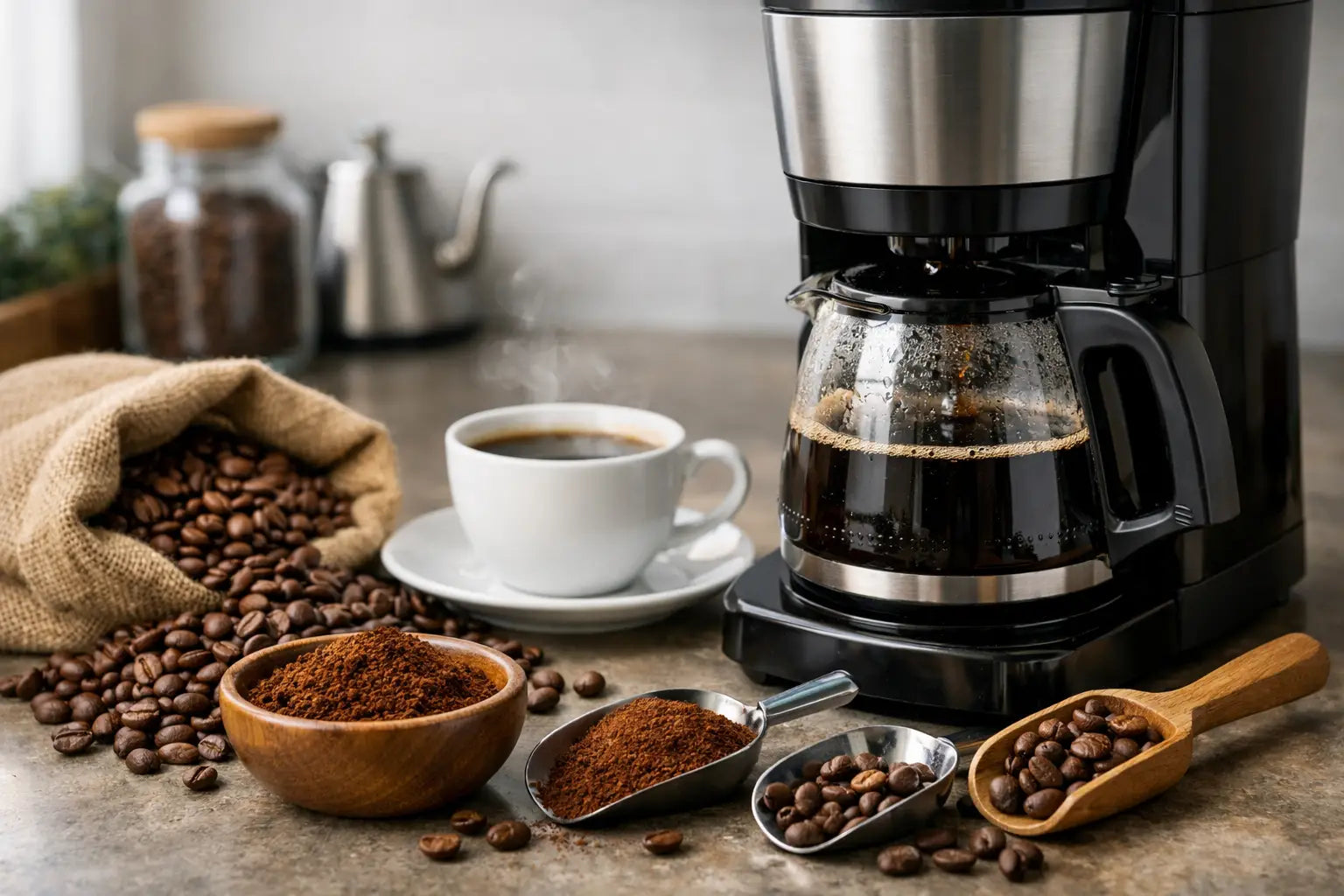
That first cup in the morning can set the tone for the whole house. If your brewer is reliable but your coffee still tastes flat, bitter, or strangely thin, the issue usually is not the machine. It is the coffee itself. Finding the best coffee for drip coffee maker brewing comes down to a few details that matter more than flashy packaging - freshness, roast profile, origin, and how the bean behaves when water passes through it slowly and evenly.
Drip coffee is often treated like the most ordinary brew method, but it is one of the clearest ways to taste quality. A good drip machine highlights balance. It can bring out chocolate, caramel, citrus, nuts, stone fruit, or floral notes with surprising clarity. A poor coffee, on the other hand, has nowhere to hide.
What makes the best coffee for drip coffee maker brewing?
The short answer is balance. Drip coffee works best with beans that extract evenly and produce a clean, sweet cup rather than something aggressive or muddy. That is why specialty-grade Arabica is often a better fit than low-grade commodity coffee. Better beans start with better structure, more distinct flavor, and fewer harsh defects in the cup.
Fresh roast matters just as much. Coffee that was roasted recently has more life in it. The aroma is fuller, the sweetness is easier to taste, and the finish feels cleaner. Old coffee tends to flatten out, especially in drip brewing, where there is little pressure or concentration to compensate for lost flavor.
Bean quality also changes how forgiving the brew is. If you use ethically sourced, carefully roasted coffee with strong green coffee quality behind it, your drip machine does not need to work miracles. It simply needs to do its job well.
Roast level matters more than people think
Many people assume dark roast is automatically the best choice for a drip machine because it tastes strongest. Sometimes that is true if you want a bold, smoky cup with low acidity and a fuller body. But strength and quality are not the same thing.
For most home brewers, medium roast is the sweet spot. It gives you enough body to feel comforting and rich, while still preserving the origin character of the bean. You get sweetness, structure, and flavor separation instead of one-note roastiness. If your goal is an everyday pot that feels smooth and dependable, medium roast usually delivers the most satisfaction.
Light roast can be excellent in drip coffee too, especially if you enjoy brightness and more fruit-forward character. The trade-off is that it can be less forgiving. If your grind is off or your machine does not maintain stable temperature, a light roast may come across sharp or underdeveloped.
Dark roast has its place, particularly for drinkers who prefer lower-acid coffee or add milk and sugar. The trade-off is nuance. Go too dark, and the origin gets buried under carbon, bitterness, and roast smoke. For drip coffee, darker is not always better. Better is better.
Whole bean or pre-ground?
If you want the best coffee for drip coffee maker use, whole bean is almost always the better choice. Once coffee is ground, it loses aroma quickly. The flavors that make a cup feel warm, layered, and alive begin fading fast.
Grinding just before brewing preserves those details. It also lets you adjust the grind to your machine. Most drip brewers perform best with a medium grind, but not all machines flow at the same rate. Some need a slightly finer grind for more extraction, while others do better with a slightly coarser setting to prevent bitterness.
Pre-ground coffee is convenient, and convenience matters in real life. If that is what fits your routine, look for freshly roasted coffee ground specifically for drip brewing. But if you are choosing between the two, whole bean gives you more control and a noticeably fresher cup.
Single origin vs blend for drip coffee
This is where preference starts to shape the answer.
Single origin coffees can be beautiful in a drip machine. They often show more distinct regional character - maybe berry and cocoa from Ethiopia, or caramel and citrus from Colombia, or nutty sweetness from Brazil. If you like tasting the personality of where a coffee comes from, drip brewing is a wonderful format for it.
Blends, though, are often ideal for daily drip coffee. A well-built blend is designed for balance and consistency. It can combine body from one coffee, sweetness from another, and brightness from a third, creating a cup that feels complete and easy to love every morning. That is especially valuable if multiple people in the home are sharing the pot.
There is no single winner here. Single origin is often more expressive. Blend is often more comforting and dependable. It depends on whether you want discovery or familiarity in your cup.
Flavor profiles that tend to shine in drip coffee
Not every tasting note performs equally well in an automatic brewer. Drip coffee tends to flatter coffees with sweetness, clarity, and moderate acidity.
Chocolate, caramel, toasted nuts, brown sugar, and soft fruit notes usually translate beautifully. These flavors feel rounded and accessible, especially in a larger mug. They hold up well as the coffee cools and pair naturally with breakfast or a slow afternoon reset.
Very floral or highly acidic coffees can still be excellent, but they ask more from the brew setup and from the drinker. If you are shopping for crowd-pleasing filter coffee, look for coffees described as balanced, sweet, smooth, or syrupy rather than intensely wine-like or ultra-bright.
For many households, the best coffee for drip coffee maker brewing is one that tastes satisfying black but still remains pleasant with cream. That usually means medium roast, specialty-grade Arabica, and a flavor profile built around chocolate, nuts, caramel, or ripe fruit.
Why freshness changes everything
Coffee is an agricultural product, and freshness is part of its quality story. A freshly roasted coffee brewed in a drip machine will often smell more inviting before you even take the first sip. The cup feels more dimensional, with a sweetness that can disappear almost completely in stale beans.
This is one reason small-batch roasting matters. When coffee is roasted with care and shipped closer to peak freshness, your home brewer can produce something far more memorable than the average supermarket bag. You do not need a café espresso machine to create a premium coffee ritual at home. You need beans with life still in them.
That difference is especially noticeable in drip coffee because the method is so honest. It reveals the bean, the roast, and the freshness without much disguise.
How to choose the right coffee for your drip machine
Start with roast level. If you are unsure, choose a medium roast. It is the safest path to balance and the easiest to enjoy every day.
Next, think about the flavors you naturally reach for. If you love cozy, familiar cups, go for coffees with notes of chocolate, nuts, and caramel. If you want a brighter and more lively morning brew, choose something with citrus or berry notes.
Then consider whether consistency or exploration matters more. A curated blend is often perfect for routine. A single origin is great when you want to slow down and taste something specific.
Finally, pay attention to roast date and sourcing quality. Specialty coffee with high cup scores, careful sourcing, and fresh roasting gives your machine the best chance to produce a clean, memorable pot. At House Coffee, that is exactly why coffees are selected with quality markers like specialty-grade scoring and origin integrity in mind. It is not just about selling a bag of beans. It is about helping create those small, cherished moments that make home feel warmer.
Common mistakes that make good coffee taste average
Even excellent beans can disappoint if the basics are off. Too much coffee can make a pot harsh and heavy, while too little leaves it hollow. Water quality matters more than many people realize, and an unclean machine can add stale, bitter flavors no matter what beans you use.
Grind size is another frequent problem. If the coffee tastes weak and sour, the grind may be too coarse. If it tastes bitter and dry, it may be too fine. A good starting point is a medium grind and a brew ratio around 1 to 16, then adjusting by taste.
The point is not perfection. It is alignment. When fresh, high-quality coffee meets the right grind, the right dose, and a clean drip machine, the cup becomes fuller, sweeter, and much more satisfying.
So what is the best coffee for drip coffee maker use?
The best choice is usually a freshly roasted specialty Arabica coffee, ideally whole bean, with a medium roast profile and tasting notes that suit how you actually like to drink coffee. For some people, that means a balanced blend with chocolate and caramel notes. For others, it means a single origin that brings a little brightness and character to the morning.
What matters most is that the coffee feels right in your routine. The best drip coffee is not just technically good. It is the one that makes you want to pour a second cup, linger a little longer in the kitchen, and let the day begin with something made well and enjoyed slowly.


