Best Coffee Subscription for Beginners
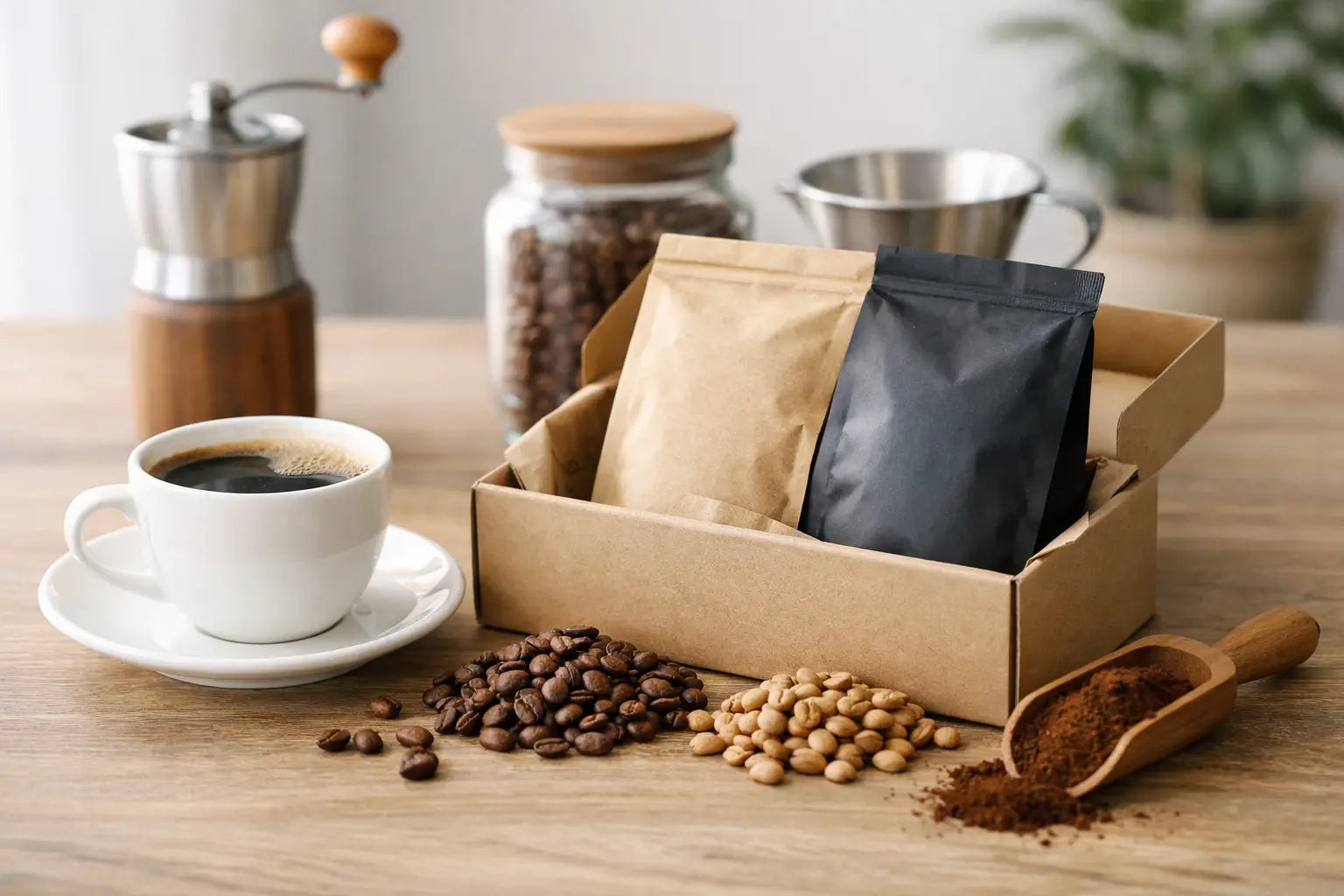
You do not need a grinder worth more than your rent or a shelf full of brewing gear to find the best coffee subscription for beginners. What you need is coffee that arrives fresh, tastes clearly better than the grocery store bag you forgot in the pantry, and makes your morning feel a little more grounded. For most new subscribers, the right starting point is not the rarest microlot. It is a dependable, well-roasted coffee with enough character to be memorable and enough balance to be easy to brew at home.
What makes the best coffee subscription for beginners?
A beginner-friendly coffee subscription should make good coffee feel simple, not intimidating. That means clear flavor descriptions, flexible delivery timing, and roast options that work with common home setups like drip machines, French press, pour over, and espresso machines. If a subscription expects you to already know your preferred processing method, altitude range, and flavor wheel language, it is probably built for a more experienced drinker.
The best coffee subscription for beginners also starts with quality you can taste. Freshly roasted beans matter. So does sourcing. Specialty-grade Arabica, especially coffees with strong quality markers like Q-grade scores of 84+, tends to offer more clarity, sweetness, and consistency in the cup. You do not need to become a coffee expert overnight, but it helps to begin with coffee that gives you a fair shot at brewing something excellent.
There is also the question of comfort. Beginners often enjoy coffees that feel familiar before they branch into more adventurous profiles. A chocolatey blend with caramel sweetness and gentle fruit notes usually lands better than something intensely fermented or sharply acidic. Starting with a balanced cup builds confidence.
Start with your brew method, not the marketing
Coffee subscriptions can sound beautiful on paper. Notes of bergamot, stone fruit, jasmine, cacao. Limited harvests. Direct relationships. All of that can matter, but your first filter should be practical. How do you actually brew coffee at home?
If you use a drip machine, Chemex, or pour over, medium roasts are usually a smart place to start. They preserve origin character without becoming too intense. If you use a French press, medium to medium-dark coffees tend to feel round, rich, and forgiving. If you brew espresso, you may want something developed enough to give you body and sweetness, especially while you are still dialing in your shots.
A beginner subscription should meet you where you are. Some subscriptions are built around rotating single origins that change often. Those are exciting, but they can also be inconsistent from a learning perspective. Others offer core blends and stable favorites alongside seasonal options. That kind of structure is often better for new drinkers because it lets you notice what you like without having the ground shift every month.
Freshness is not a bonus. It is the point.
One of the biggest reasons people sign up for a subscription is convenience, but freshness is the real upgrade. Coffee is at its best when it has been roasted recently and shipped with care. That freshness shows up as aroma when you open the bag, sweetness in the cup, and a livelier flavor overall.
For beginners, fresh coffee is especially helpful because stale beans can make brewing feel harder than it really is. You can follow every instruction perfectly and still get a flat, lifeless result if the coffee is old. A good subscription removes that frustration. It turns your home ritual into something more reliable and more rewarding.
This is where small-batch roasters tend to stand apart. Smaller roast runs often mean better quality control and more attention to detail. If the coffee is roasted to order or shipped soon after roasting, you are starting with a much stronger foundation.
Choose flavor notes you already enjoy
A lot of people overthink coffee flavor at the beginning. You do not need to train your palate with formal tastings. Just start with what sounds good.
If you like milk chocolate, toasted nuts, brown sugar, and caramel, look for coffees described that way. If you prefer brighter drinks like tea, citrus, or berries, try a lighter single origin. If you love creamy café drinks, an espresso-friendly blend with cocoa and sweetness will probably give you a better experience than a very delicate light roast.
There is no prize for choosing the most advanced coffee first. The right beginner coffee is the one that makes you want another cup tomorrow. Over time, your taste will expand naturally. That is one of the pleasures of a subscription. It can gently introduce you to new origins and flavor profiles without asking you to leap too far too fast.
Whole bean or ground?
This is one of the most common beginner questions, and the honest answer is that it depends on your setup. Whole bean is usually better for freshness and flavor because coffee starts losing aromatics more quickly after grinding. If you have a decent burr grinder at home, whole bean is the easy choice.
But pre-ground is not a mistake if it helps you brew consistently. For someone just getting started, convenience matters. If grinding at home feels like one more thing that keeps you from making better coffee, a subscription that offers grind-size options for your brewer can still be a great entry point. The key is choosing a roaster that grinds with care and ships promptly.
A thoughtful subscription makes this easy. It should let you select whole bean or a brew-specific grind without turning checkout into homework.
How much coffee should a beginner subscribe to?
Most beginners do best with one or two bags per delivery, depending on how many people are drinking at home. If you drink one to two cups a day, a single 10-12 ounce bag every two to four weeks is often enough. For two-person households, two bags on the same schedule makes more sense.
Ordering too much coffee sounds efficient, but it can work against freshness. Ordering too little leads to emergency grocery store runs, which defeats the purpose of subscribing. A flexible coffee subscription is valuable because your routine is not always static. You might drink more in winter, less during travel months, or want extra bags when guests are visiting.
The best beginner subscriptions allow you to pause, skip, swap, or change delivery frequency without friction. That flexibility matters more than people think. It keeps the experience feeling personal rather than locked in.
Single origin or blend?
For beginners, this is rarely an either-or question. Both have a place.
Blends are often the easier starting point. A well-crafted blend is designed for balance, sweetness, and consistency. It can taste wonderful black and still hold up beautifully with milk. If you want a reliable everyday cup, blends usually deliver that comfort.
Single origin coffees are where coffee starts to feel especially expressive. You can taste the character of one place, one harvest, sometimes even one producer. That might mean floral Ethiopian notes, cocoa-heavy Latin American sweetness, or a structured Central American cup with citrus and caramel. Single origins are ideal when you want to explore and notice differences.
A strong beginner subscription often offers both. You might keep a dependable blend for weekdays and add a single origin when you feel curious. That balance gives you routine and discovery at the same time.
Signs a subscription may not be beginner-friendly
Not every premium coffee subscription is the right fit for someone just starting out. If the language feels overly technical, the coffees change too quickly, or the service gives you little control over roast style and frequency, you may end up with great coffee that does not match your life.
Another red flag is vague freshness. If you cannot tell when the coffee was roasted or how quickly it ships, be cautious. The same goes for subscriptions that emphasize novelty over drinkability. Experimental coffees can be thrilling, but they are not always the easiest place to begin.
What beginners usually need is clarity, consistency, and enough room to learn their preferences. That is why a quality-focused roaster with approachable descriptions and flexible options often beats a trend-driven club experience.
What a great first subscription feels like
The right subscription should make your kitchen feel a little warmer before the kettle even boils. You open the bag and the aroma tells you this is different. Fresh roast. Real sweetness. A sense that someone cared about the sourcing, the roasting, and the small ritual you are about to begin.
For many people, that first truly fresh bag is the moment coffee changes from routine fuel into something more personal. It becomes part of how you start the day, how you slow down on a quiet afternoon, how you create cherished moments at home.
If you are choosing your first subscription, lean toward freshness, flexible delivery, approachable tasting notes, and specialty-grade quality from a roaster that values craftsmanship. House Coffee, for example, builds around freshly roasted single origin Arabica and curated blends that make premium coffee feel welcoming rather than exclusive.
The best place to begin is not with the most complicated coffee. It is with the one that makes great mornings feel repeatable, and that is exactly what a good subscription should deliver.