7 Direct Trade Coffee Benefits Worth Knowing
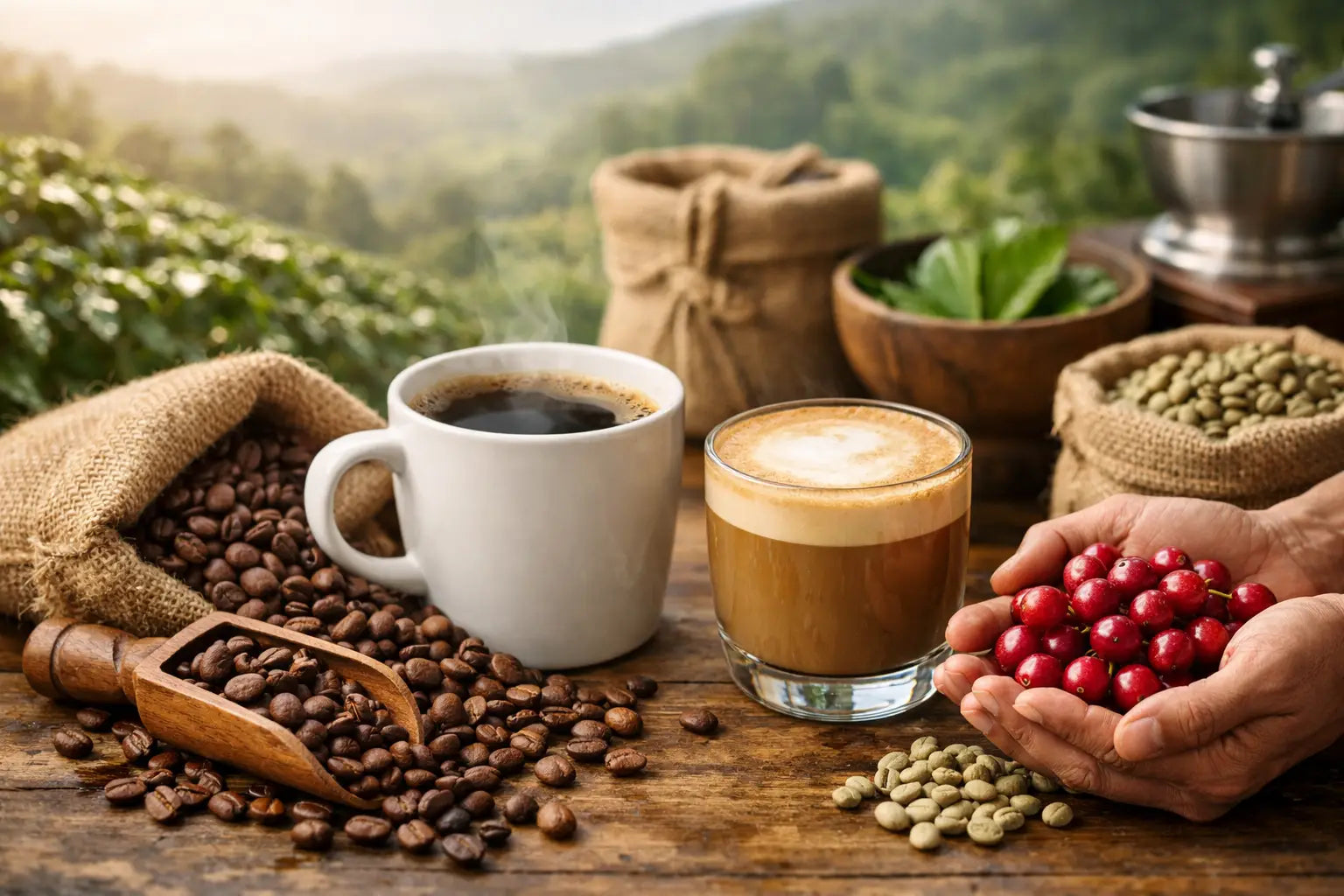
That bag on your counter can tell a bigger story than tasting notes alone. When people ask about direct trade coffee benefits, they are usually asking two things at once - will this coffee taste better, and does buying it actually support the people who grew it? The honest answer is often yes, but the real value is in how those two outcomes connect.
Direct trade has become a meaningful part of specialty coffee because it brings the producer, roaster, and drinker closer together. It is not a magic label, and it is not regulated in the same way as some certifications. Still, when a roaster treats direct relationships seriously, it can lead to better coffee, better communication, and a more thoughtful buying experience for everyone involved.
What direct trade means in coffee
At its core, direct trade means a coffee roaster buys coffee through a closer relationship with the producer, often with fewer middle layers between farm and final roaster. That relationship may include repeat buying, price transparency, feedback on quality, and long-term planning. In many cases, the roaster pays above commodity pricing because the coffee meets a higher quality standard and because the relationship itself matters.
That said, direct trade is not one fixed system. One company may visit producing partners regularly, cup harvest samples, and commit to lots year after year. Another may use the term more loosely. That is why the phrase matters most when it comes with details like origin, producer information, harvest timing, and quality markers such as single origin distinction or strong cupping scores.
Direct trade coffee benefits for quality and flavor
The easiest benefit to taste is quality. When a roaster works more closely with a producer, there is usually more focus on varietal selection, picking ripeness, processing, drying, storage, and milling. Those choices shape the cup long before the beans reach the roastery.
For home brewers, that can mean more clarity in the cup. A natural Ethiopia may show sweeter berry notes. A washed Colombia may feel brighter and cleaner. A balanced Central American lot may bring caramel, citrus, and cocoa together in a way that feels complete rather than flat. These are not accidents. They are the result of careful farming and careful buying.
Direct trade can also support consistency across seasons. Coffee is an agricultural product, so every harvest changes a little. But when roasters and producers stay in touch, they can adjust for climate shifts, processing variables, and quality targets. That makes it easier for customers to come back to a coffee they love and still recognize its character.
Better prices can support better farming
One of the most talked-about direct trade coffee benefits is the potential for stronger producer income. In specialty coffee, price matters because quality takes labor. Selective picking costs more. Better drying beds cost more. Sorting defects costs more. If growers are not paid in a way that reflects that work, quality becomes much harder to sustain.
A well-run direct trade relationship can give producers more room to invest back into the farm. That might mean improving equipment, planting new varieties, strengthening worker training, or building more resilient processing systems. Over time, those investments can raise both cup quality and business stability.
It is worth being careful here. Direct trade does not automatically guarantee perfect equity, and higher farmgate prices are not always public. Some importers also play a valuable role in logistics, financing, and quality control. So the benefit is not simply about removing every middle step. It is about creating a buying structure where value is shared more intentionally and quality is rewarded more clearly.
Transparency helps customers buy with more confidence
Many coffee drinkers want more than a vague promise of being ethical. They want to know where the coffee came from, who produced it, when it was harvested, and why it tastes the way it does. Transparency is one of the direct trade coffee benefits that matters both emotionally and practically.
When roasters share producer names, region details, altitude, variety, and processing method, customers can make more informed choices. If you love floral washed coffees from high elevations, those details help. If you are trying to understand why one lot costs more than another, those details help too.
There is also a deeper kind of trust that comes from transparency. Coffee becomes less anonymous. Instead of a generic product, it feels like a crafted food with a clear origin and human care behind it. For many people, that makes the morning ritual more meaningful. The cup feels personal, not just caffeinated.
Fresher coffee often starts with a stronger supply chain
Freshness is usually discussed at the roast level, but sourcing affects freshness too. Roasters who plan directly with producing partners often have a clearer view of harvest calendars, lot selection, shipping timelines, and arrival windows. That can help them bring in coffees at the right time and roast them while they are still vibrant.
For the person brewing at home, fresher green coffee and fresher roast dates can translate into a livelier cup. Aromatics feel more expressive. Sweetness tends to show up more clearly. Espresso can feel more structured and less dull. Filter coffee can taste cleaner and more vivid.
Of course, freshness still depends on roasting, packaging, and storage after purchase. Direct trade is not the only reason a coffee tastes fresh. But in a quality-focused system, it often supports the kind of careful planning that makes freshness easier to protect from farm to final brew.
Long-term relationships can improve resilience
Coffee is vulnerable to weather swings, labor shortages, plant disease, and market volatility. One of the less obvious direct trade coffee benefits is resilience. When producers and roasters know each other well, they can make decisions with a longer view.
A roaster may commit to buying from the same farm across multiple harvests instead of chasing one impressive lot and disappearing the next year. A producer may feel more confident experimenting with processing or investing in farm improvements because there is a trusted buyer on the other side. Those decisions do not erase risk, but they can reduce uncertainty.
This matters for customers too. If you care about keeping exceptional coffees available for years to come, sustainability is not just about environmental language. It is also about whether farms can stay healthy businesses. Strong relationships help protect that future.
Why direct trade often creates a better home coffee experience
For many people, coffee is part of the rhythm of home. It is the quiet first cup before emails start. It is the pour-over shared on a slow weekend morning. It is the espresso made for a partner, a guest, or yourself after a long day. The sourcing model behind the beans may feel far away from that moment, but it shapes the experience more than most people realize.
When coffee is sourced with care, roasted fresh, and presented with origin detail, the whole ritual feels elevated. You are not just buying a bag because it was convenient. You are choosing flavor with intention. You are choosing craftsmanship. You are choosing a product that carries real work and real pride from origin to cup.
That is part of why specialty coffee brands like House Coffee put so much emphasis on direct relationships, single origin distinction, and small-batch roasting. Those details are not there to sound impressive. They are there because they help create a cup that feels warmer, richer, and more worth sharing.
The trade-offs to keep in mind
Direct trade is compelling, but it is still worth asking good questions. Because the term is not legally standardized, some brands use it more carefully than others. A coffee can be excellent without being sold as direct trade, and an importer can add real value rather than simply acting as a middleman.
Price is another trade-off. Coffees built on higher quality standards and closer producer relationships often cost more. For some buyers, that is fully worth it. For others, it may be more realistic to save direct trade coffees for weekends, gifts, or a subscription that rotates through special lots.
The best approach is not blind loyalty to a phrase. It is looking for proof of care - transparent sourcing, quality information, fresh roasting, and a roaster that treats coffee as both a craft and a relationship.
If you want your coffee to do more than fill a mug, direct trade is worth paying attention to. The best cups tend to carry something extra: clearer flavor, deeper trust, and the quiet comfort of knowing your daily ritual is connected to people who care about it just as much as you do.