Single Origin vs Blend Coffee Explained
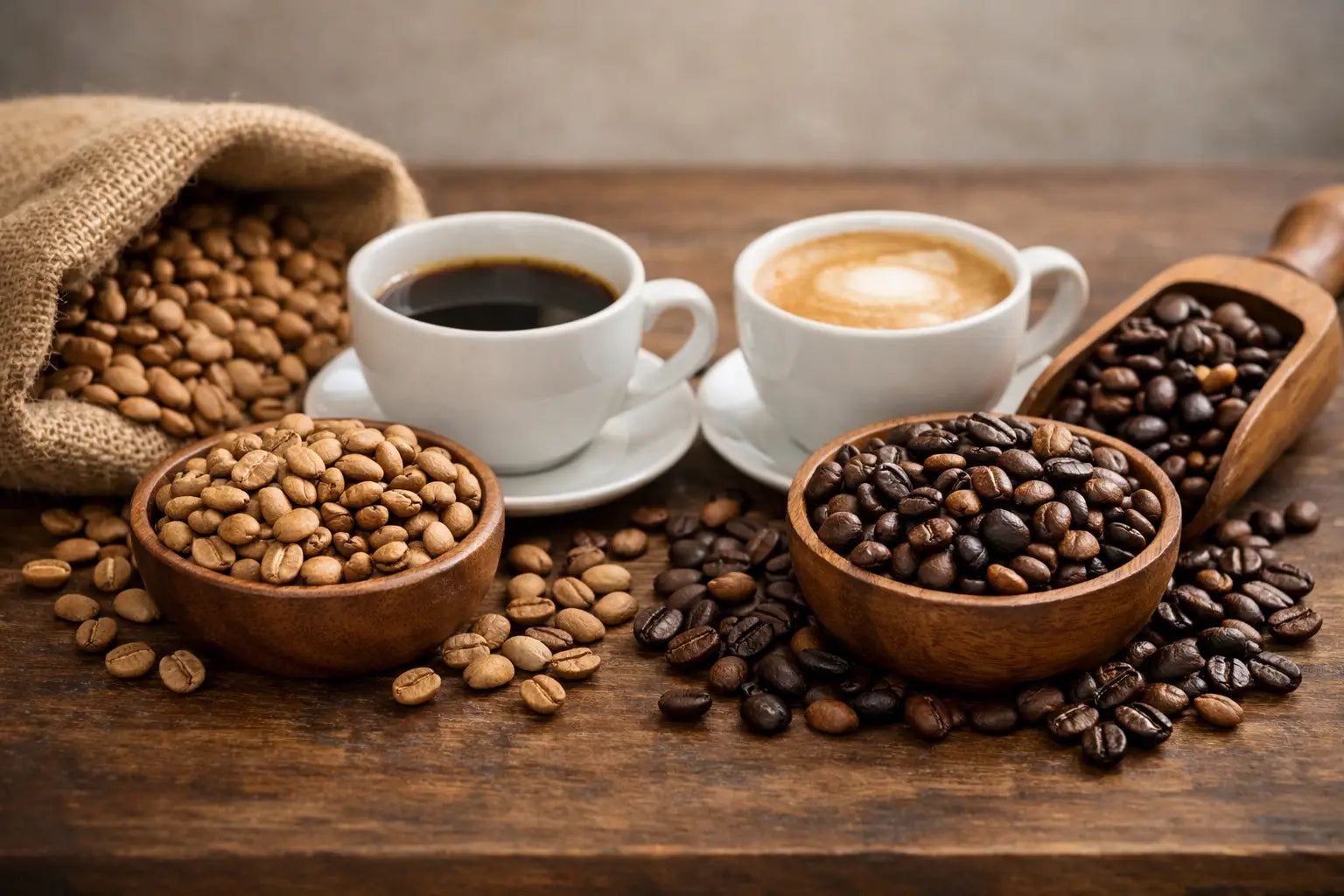
You can taste the difference before you learn the vocabulary. One cup feels vivid and precise, with notes that seem to point to a place. Another feels rounder, steadier, and built for the kind of morning coffee you want to come back to every day. That is the real conversation behind single origin vs blend coffee - not which is better, but which experience you want in the cup.
For home brewers, this choice matters because coffee is not just fuel. It is a ritual. It is the first quiet moment before the day starts, the after-dinner espresso, the pot shared with family on a slow weekend morning. Understanding the difference helps you buy with more confidence and brew coffee that actually matches your taste.
Single origin vs blend coffee: what is the difference?
Single origin coffee comes from one geographic origin. Depending on the roaster, that might mean one country, one region, one farm, or even one lot from a specific harvest. The point is traceability. You are tasting coffee that reflects a particular place, season, altitude, varietal, and processing method.
Blend coffee combines beans from two or more origins. Those coffees are chosen intentionally to create a specific flavor profile. A blend might pair a bright washed Central American coffee with a chocolatey Brazilian bean, or combine components that improve body, sweetness, crema, or consistency.
Neither style is automatically higher quality. Specialty single origin coffees often get attention because they highlight terroir and transparency, but expertly crafted blends can be just as thoughtful. In many cases, a blend is harder to build well because the roaster has to balance multiple coffees so the final cup tastes complete rather than crowded.
Why single origin coffee tastes so distinct
The appeal of single origin coffee is clarity. When coffee comes from one source, the flavors are often more expressive and easier to identify. You may notice citrus, stone fruit, florals, cocoa, or a tea-like finish with more definition because there is no second or third component softening those edges.
This is where coffee starts to feel personal. A naturally processed Ethiopian might give you berry sweetness and perfume-like aromatics. A washed Colombian could bring caramel, red apple, and balanced acidity. A high-grown Guatemalan may feel structured and cocoa-forward with a gentle spice note. The cup tells a story about growing conditions and careful production.
For many coffee lovers, that connection is part of the joy. You are not just buying beans. You are choosing a place, a harvest, and a sensory profile that can turn a daily cup into a small, memorable moment at home.
Single origin coffee also tends to attract drinkers who enjoy experimenting. If you brew pour-over, Chemex, AeroPress, or other methods that highlight nuance, single origin beans often reward that attention. Small changes in grind size, water temperature, or brew ratio can reveal more of what makes the coffee special.
The trade-off is consistency. Because single origin coffee reflects a specific crop and season, it can change from lot to lot. That is part of its charm, but it may not be ideal if you want the exact same cup every morning without variation.
Why blends remain a favorite for everyday brewing
Blends are sometimes misunderstood as less exciting, but that misses their purpose. A great blend is designed, not diluted. It brings different coffees together to create balance, sweetness, body, and reliability in the cup.
That balance is exactly why many people love blends for daily drinking. If you want coffee that feels smooth, comforting, and familiar, a blend often delivers that more easily than a highly expressive single origin. The acidity may be softer, the body fuller, and the finish more rounded.
Blends also perform especially well in espresso. Espresso is intense by nature, so a coffee with too much brightness or a narrow flavor profile can taste sharp or uneven. A well-built blend can produce richer crema, better structure, and a flavor that holds up beautifully with milk. That is why many espresso-focused coffees are blends rather than single origins.
There is also a practical advantage. A roaster can adjust components over time to preserve the intended profile, which helps create a more dependable experience. For households that go through coffee quickly, offices serving a range of tastes, or cafes that need consistency, blends make a lot of sense.
Single origin vs blend coffee for different brew methods
How you brew should absolutely influence what you buy.
If you love pour-over, single origin coffee is often the more revealing choice. Manual brewing highlights acidity, aroma, and subtle sweetness, so coffees with distinct origin character can really shine. You will taste more separation between flavor notes, especially with lighter to medium roasts.
If you brew drip coffee and want an easy, dependable cup, both styles can work well. A single origin can make your morning coffee feel more vibrant and layered, while a blend may offer the richer, smoother profile many people prefer for everyday drinking.
For espresso, the answer depends on what you enjoy. Blends usually provide more balance, body, and chocolate-forward comfort, especially in milk drinks like lattes and cappuccinos. Single origin espresso can be stunning, but it is often more specific - brighter, fruitier, or more adventurous. Some people love that. Others want a shot that feels classic and consistent.
For French press or cold brew, blends often do very well because their body and rounded sweetness come through clearly. That said, a lower-acid single origin with chocolate and nut notes can be excellent in these methods too.
How roast level changes the conversation
Roast matters almost as much as origin.
A light roast single origin will usually put more of the bean's natural character front and center. This is where you get the floral, fruity, and sparkling notes specialty coffee fans often chase. If you want to taste origin in a more transparent way, this is usually the lane.
A medium roast can be the sweet spot for many home brewers. It preserves origin character while adding more caramelization and body. Both single origins and blends can thrive here.
A darker roast tends to emphasize roast-driven flavors like bittersweet chocolate, toasted nuts, and smoke. That can be comforting and bold, but it may mute some of the unique details that make a single origin distinctive. If your preference leans strong, rich, and low-acid, a blend roasted with care may be the better fit.
Which one is better for quality?
Quality is not determined by the label alone. A single origin is not premium just because it names a place, and a blend is not ordinary just because it combines coffees.
What matters is sourcing, grading, freshness, and roasting skill. Coffees that score well, are sourced ethically, and are roasted in small batches with intention tend to show their quality clearly, whether they are single origin or blended. Freshly roasted beans will always give you a better chance at a beautiful cup than coffee that has been sitting too long, no matter what category it falls into.
This is where specialty coffee stands apart. When a roaster focuses on traceability, high cupping scores, and careful roast development, both styles can feel premium. The decision then becomes less about status and more about taste.
How to choose between single origin and blend coffee
Start with the cup you want most often, not the coffee terms you think you should prefer.
If you want bright acidity, distinct tasting notes, and a stronger sense of place, choose single origin. It is especially rewarding if you enjoy slower brewing methods and like exploring different regions throughout the year.
If you want balance, comfort, and a coffee that works beautifully every morning, choose a blend. It is a strong choice for espresso, milk drinks, batch brewing, and households with different taste preferences.
You can also keep both on hand. Many experienced coffee drinkers do. A single origin for quiet mornings when you want to pay attention. A blend for the rhythm of everyday life. One is not more serious than the other. They simply serve different moments.
At House Coffee, that distinction matters because coffee should meet you where you are - whether you are chasing the elegant clarity of a single origin Arabica or reaching for a curated blend that brings warmth and ease to the table.
The best coffee is the one that fits the moment
Some days call for a cup that surprises you. Other days call for one that feels like home. When you understand single origin vs blend coffee, you stop shopping by buzzword and start choosing with intention. And that is when coffee becomes more than a purchase - it becomes part of the kind of moments you want to create, one fresh cup at a time.