Coffee Delivery Comparison for Better Mornings
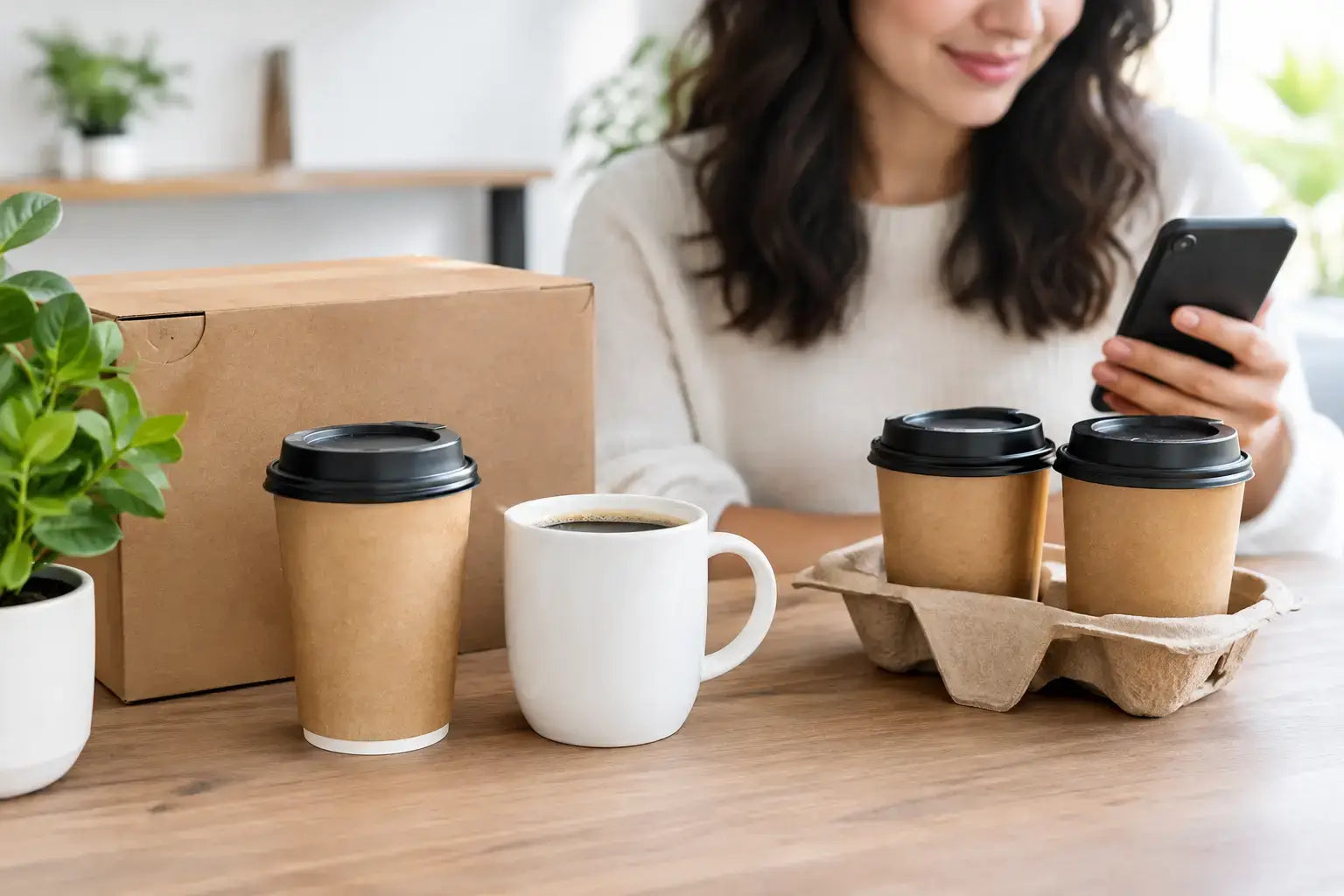
A coffee delivery comparison should start with the moment that matters: the first cup you make at home. If your coffee arrives stale, tastes flat, or forces you into a bag size and delivery schedule that do not suit your routine, convenience quickly loses its appeal. The right service brings freshly roasted coffee to your door while giving you enough choice to make each morning feel considered, comforting, and genuinely delicious.
What to Compare Before Choosing Coffee Delivery
Coffee delivery is not one single experience. Some services focus on broad convenience and familiar grocery brands. Others send rotating coffees selected by a tasting team. Specialty roasters tend to offer the clearest path to traceable beans, recent roast dates, and flavor profiles suited to specific brewing methods.
The best choice depends on what you value most. A household that goes through several bags a month may prioritize reliable scheduling and value. A home espresso enthusiast may care more about roast date, processing method, and whether a coffee has the sweetness and structure needed for milk drinks. If you are sending a gift, presentation and easy ordering can matter as much as the coffee itself.
Rather than choosing based on a discount alone, look at the full experience: coffee quality, freshness, sourcing, delivery flexibility, price per cup, and how confidently the brand explains what is in the bag.
Freshness Is the First Quality Test
Coffee is at its most expressive after roasting, when its aromatics, sweetness, and origin character are still vivid. A package can look premium while giving you no indication of when the beans were roasted. That is a meaningful gap, especially for coffee drinkers who brew at home every day.
Look for a clearly stated roast date or a transparent roasting-to-shipping window. For most brewing methods, coffee often tastes especially balanced after it has rested for several days, then remains enjoyable for weeks when stored well. Espresso may benefit from a little more resting time, while filter coffee can be wonderfully lively sooner. The point is not to chase a single perfect day. It is to avoid coffee that has been sitting in a warehouse long before it reaches your kitchen.
Whole bean delivery gives you the most control because grinding immediately before brewing preserves aroma and flavor. Pre-ground coffee can still be a practical option for busy mornings, but choose a grind matched to your brewer and order in quantities you can finish while the coffee is still fresh.
Know What the Label Is Actually Telling You
Specialty coffee language should help you choose, not leave you guessing. Single origin means the coffee comes from one country, region, farm, cooperative, or defined lot, depending on how specifically the roaster identifies it. These coffees can offer a strong sense of place: berry-like acidity from Ethiopia, caramel and citrus notes from Colombia, or chocolate and nutty depth from Brazil.
Blends are not a lesser choice. A well-built blend is designed for balance and consistency, often with enough body for espresso and enough sweetness for a satisfying drip coffee. They are an excellent fit when you want your daily cup to taste dependable from bag to bag.
Quality scores add useful context as well. Coffee graded at 84 points or higher sits firmly in specialty territory, signaling careful cultivation, processing, and evaluation. Still, a score alone cannot tell you whether you will enjoy the cup. Read the tasting notes, consider your preferred brew method, and ask yourself whether you like bright fruit-forward coffees or deeper, more traditional flavors.
Coffee Delivery Comparison: Main Service Types
A practical coffee delivery comparison usually comes down to three models. Each has a place, but they serve different kinds of coffee rituals.
Roaster-Direct Delivery
Ordering directly from a specialty roaster is often the strongest option for freshness and product detail. You can typically choose whole bean or ground coffee, see origin information, select from single origins and blends, and find coffees selected for espresso, drip, pour-over, or cold brew.
This model is especially rewarding when you care about ethical sourcing. Roasters that share information about growers, regions, and buying relationships make it easier to support coffee with a story behind it. You are not just ordering caffeine for the week. You are bringing home the result of skilled farming, careful processing, thoughtful roasting, and your own brewing craft.
The trade-off is that shipping may not be free below a certain order threshold, and the selection can feel more focused than a marketplace. For many specialty drinkers, that focus is a benefit. It replaces endless scrolling with coffees chosen for quality.
Marketplace and Grocery Delivery
Marketplace apps and online grocers win on speed. If you need coffee tonight, want to add it to a larger household order, or already know exactly which brand you like, this is the simplest route. Pricing can also be competitive during promotions.
The limitation is freshness visibility. Coffee may have traveled through multiple distribution steps, and roast dates are not always easy to find before purchase. Product descriptions can also be brief, making it harder to compare origins, roast profiles, and sourcing practices. This option makes sense for convenience, but it is less reliable for someone seeking a café-quality cup at home.
Curated Subscription Boxes
Coffee subscriptions can be a joyful way to try new origins without having to research every bag. Some let you set roast preferences, quantity, frequency, and whether you want whole bean or ground coffee. They work well for curious drinkers and for gifts that extend beyond a single occasion.
However, curation is only valuable if the service listens to your preferences. A surprise can be delightful, but not if you repeatedly receive light, floral coffees when you prefer rich chocolate notes. Before subscribing, check whether you can skip a shipment, change frequency, pause your plan, or select individual coffees. Flexibility matters because coffee consumption changes with travel, guests, seasons, and the simple fact that some weeks call for more cups than others.
Match Delivery to Your Brewing Routine
Your brewer should shape your order. Espresso machines generally benefit from coffees with sweetness, body, and enough development to stand up to pressure and milk. A medium or medium-dark blend may be a welcoming place to start, though lighter single origins can be extraordinary for espresso when you enjoy fruit and complexity.
For drip machines, pour-over, and French press, you have more room to explore. A washed coffee may taste clean and bright, while a natural-process coffee can bring jammy fruit sweetness and a fuller texture. If you make cold brew, coffees with chocolate, nut, or caramel notes often create a smooth, low-acid result that is easy to enjoy over ice.
Bag size matters too. A 12-ounce bag is often ideal for one person who drinks a cup or two a day. Larger bags can offer better value for families, offices, or heavy coffee drinkers, but only if you can use them before the flavor fades. If you buy in bulk, divide the coffee into airtight portions and keep only the current portion accessible. Avoid storing beans in the refrigerator, where moisture and food odors can compromise their character.
Compare the Real Cost, Not Just the Bag Price
A lower-priced bag is not always better value if it produces a disappointing cup. At the same time, premium coffee should earn its price through quality, freshness, and transparency. Compare cost by servings, not simply by bag. Depending on your recipe, a 12-ounce bag can make roughly 17 to 24 cups of brewed coffee.
Also check shipping thresholds, subscription savings, and whether the service requires a long commitment. A modest recurring discount is useful only if you are receiving coffee at a pace you can enjoy. The most valuable subscription is one that removes a small task from your week without filling your cabinet with bags you are not ready to open.
At House Coffee, thoughtfully selected single origin Arabica coffees and curated blends are roasted in small batches, bringing specialty quality closer to the everyday comfort of your kitchen table. That combination of craft and ease is what good coffee delivery should feel like.
A Simple Way to Make Your First Order
Start with one or two bags rather than building a large subscription immediately. Choose a familiar flavor direction for the first bag, such as chocolatey and balanced, then add one coffee that gives you a different experience, perhaps brighter citrus or ripe berry notes. Brew both with a consistent recipe so you can notice what you truly enjoy.
Once you know your preferred roast style, origin, and weekly usage, delivery becomes much easier to personalize. A great coffee service does more than keep your pantry stocked. It gives you a reason to slow down, share a pot with someone you love, and create cherished moments one fresh cup at a time.