When Should Coffee Be Ground for Best Flavor?
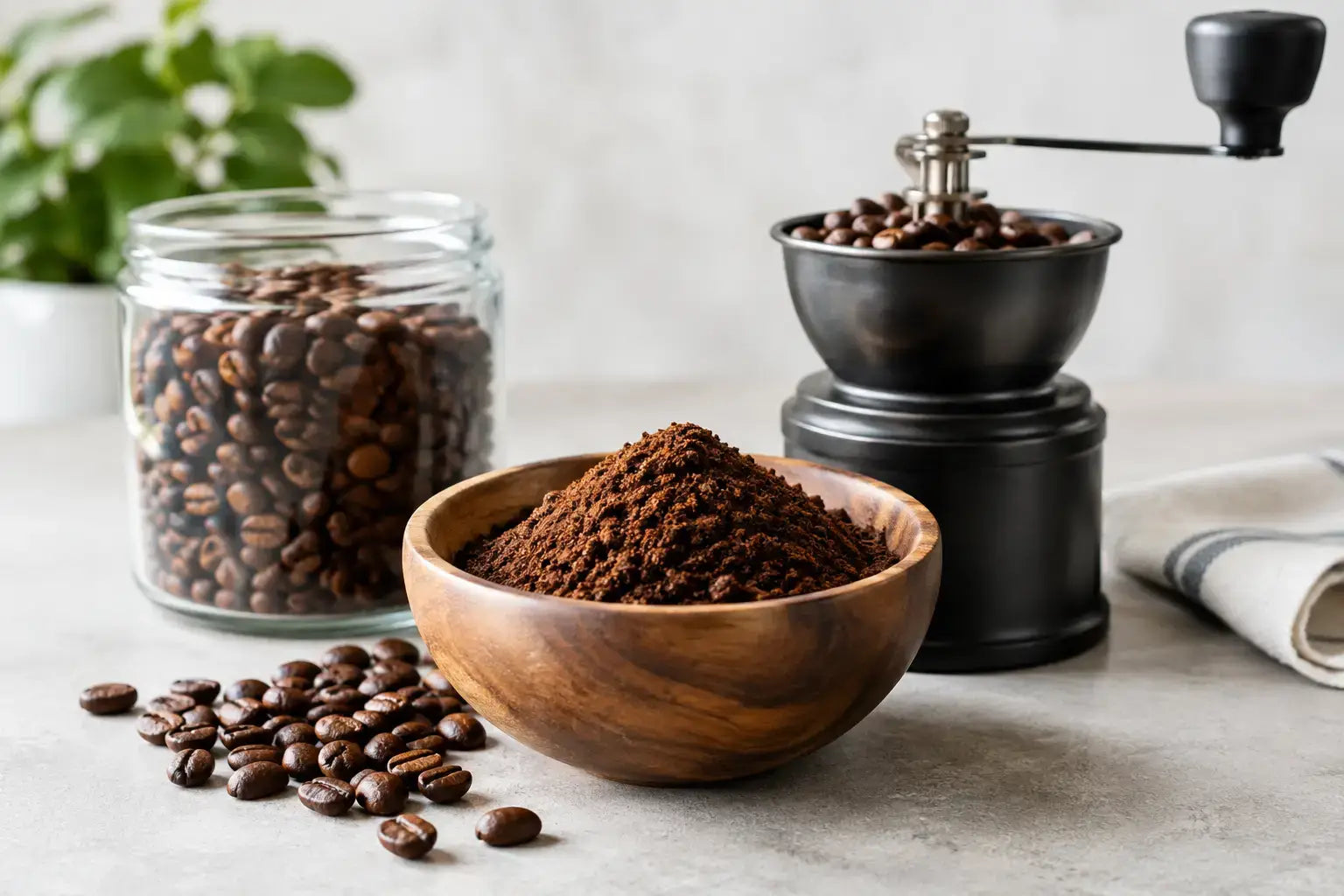
That first burst of fragrance when you open a bag of freshly roasted coffee is not just a lovely part of the morning ritual. It is flavor leaving the bean. So, when should coffee be ground? As close to brewing as possible - ideally seconds before hot water meets the grounds. This small habit can make a carefully sourced, specialty-grade coffee taste sweeter, more vivid, and more like the cup it was roasted to become.
When Should Coffee Be Ground? Right Before Brewing
Coffee beans protect their flavor remarkably well. Their outer structure holds on to aromatic oils and compounds created during roasting, preserving the character of a single origin or the balance of a thoughtful blend. Grinding breaks that protection open. More surface area is exposed to oxygen, and the coffee begins losing its most delicate aromas immediately.
That does not mean pre-ground coffee is bad coffee, or that a busy morning is ruined if you use it. It means there is a clear trade-off. Convenience comes with a little less fragrance, complexity, and sparkle in the cup. For coffee that feels like a daily comfort and a small act of care, grinding fresh is one of the most meaningful upgrades you can make.
For the best result, measure whole beans, grind them, and begin brewing right away. Whether you make a pour-over before the house wakes up, pull espresso for a weekend breakfast, or fill a French press for guests, fresh grinding brings you closer to the coffee's origin, roast, and craft.
Why Freshly Ground Coffee Tastes Different
A roasted coffee bean contains carbon dioxide and hundreds of volatile aromatic compounds. Once ground, those compounds escape quickly. Within minutes, the scent of freshly ground coffee shifts. Over hours and days, the change becomes more noticeable in the cup: less floral fragrance, less fruit brightness, less chocolate depth, and a flatter finish.
Oxidation also affects the coffee's oils. Oxygen is not the only factor - heat, light, and moisture can speed up quality loss - but grinding is the big turning point because it dramatically increases the coffee's exposed surface area. A whole bean has a relatively small exterior. A dose of ground coffee has countless tiny particles, all interacting with the air.
This is especially apparent with high-quality Arabica. A washed Ethiopian coffee may offer jasmine, citrus, and tea-like clarity. A naturally processed coffee might bring berry-like sweetness. A rich Latin American coffee can carry caramel, cocoa, and roasted-nut notes. Fresh grinding helps those details arrive in your cup instead of fading on the counter.
How Far Ahead Can You Grind Coffee?
If your goal is the best possible flavor, grind only what you will brew immediately. Real life has schedules, though, and coffee should fit warmly into them rather than create another task to manage.
Grinding the night before is workable when it makes the morning easier, but expect a quieter aroma and a slightly less lively cup. If you need to prepare in advance, grind only the amount needed for the next brew and keep it in a clean, airtight container away from sunlight, heat, and steam. Do not store it beside the stove or leave it in the grinder hopper overnight.
Grinding a week's worth at once is less ideal. By the end of that week, even excellent coffee may taste muted compared with coffee ground fresh. If buying whole bean and owning a grinder are not options yet, choose smaller bags of pre-ground coffee and use them promptly after opening. Freshly roasted coffee, stored well, still gives you a far better starting point than coffee that has sat for months.
Match the Grind to Your Brewing Method
Freshness matters, but grind size matters just as much. The right grind controls how quickly water extracts flavor from coffee. Too coarse, and water moves through too easily, often leaving the cup thin, sour, or underdeveloped. Too fine, and extraction can run too far, bringing bitterness, dryness, or a heavy texture.
Espresso needs a fine, precise grind
Espresso is brewed quickly under pressure, so it requires a fine grind that creates enough resistance for a balanced extraction. Small changes can have a big effect. If a shot runs too fast and tastes sharp, grind a touch finer. If it drips slowly and tastes harsh or dry, adjust slightly coarser. Grind espresso right before dosing whenever possible, since its short brew time makes stale-ground flavor especially easy to notice.
Drip coffee and pour-over favor a medium grind
Most automatic drip brewers work well with a medium grind, similar to granulated sugar. Pour-over often sits in the medium to medium-fine range, depending on the brewer, filter, and recipe. The cup should taste clear and sweet, not watery or aggressively bitter. If you are changing coffee origins, be ready to make a small adjustment. Different beans and roast profiles can respond differently to the same setting.
French press and cold brew need coarser grounds
French press coffee is usually best with a coarse grind, closer to coarse sea salt. It helps reduce sludge and slows extraction during the longer steep. Cold brew also uses a coarse grind because it spends many hours in contact with water. A medium grind can make cold brew cloudy or overly bitter, while a very coarse grind may produce a weak concentrate.
AeroPress and moka pot sit in the middle
These brewers reward a little experimentation. An AeroPress can use anything from medium-fine to fine depending on brew time and recipe. A moka pot usually prefers a grind finer than drip but not as powdery as espresso. Start in the middle, taste the result, then make one adjustment at a time. That is how a great home coffee routine is built: with attention, not guesswork.
Burr Grinders Make Fresh Grinding Easier
A blade grinder can get the job done, but it chops coffee into uneven pieces. That means some particles over-extract while larger pieces under-extract in the same brew. The result can be both bitter and sour, even when you used beautiful beans and clean water.
A burr grinder crushes beans between two burrs at a selected distance, creating a more consistent particle size. Consistency gives you more control and makes repeatable cups easier. For daily filter coffee, a quality burr grinder is often a more noticeable improvement than an expensive brewer. For espresso, it is essential to have a grinder capable of very fine, precise adjustments.
Keep the grinder clean, too. Old grounds and oily residue can carry stale flavors into fresh coffee. Brush out loose grounds regularly and follow the grinder maker's cleaning instructions. A fresh grind deserves a clean path to the brewer.
Fresh Grinding Does Not Replace Fresh Roasting
Whole bean coffee retains flavor longer than ground coffee, but it is not immune to time. Coffee tastes best within a practical window after roasting, once it has had a little time to rest and release excess carbon dioxide. For many coffees, that sweet spot begins several days after roast and remains rewarding for a few weeks when stored properly.
Buy coffee in amounts you can enjoy while it is fresh. Keep the bag sealed tightly, ideally in its original valve bag, in a cool, dark cabinet. Avoid the refrigerator and freezer for the bag you open every day, where condensation and repeated temperature shifts can compromise the beans. If you are stocking up, divide unopened coffee into airtight portions before freezing and thaw each portion only once.
At House Coffee, small-batch roasting and specialty sourcing are meant to give home brewers a cup with real character. Grinding those beans immediately before brewing is how you honor that work - from the grower and roast team to the quiet moment when you take your first sip.
A Better Coffee Ritual Starts With One Minute
You do not need a barista station to make fresh grinding part of your day. Set out your brewer and mug the evening before, measure your beans when you have a spare moment, then grind them just before you brew. The extra minute fills the kitchen with a scent that signals something good is on its way.
Some mornings call for speed, and pre-ground coffee can still offer comfort. But when you have the choice, let whole beans wait until the water is ready. Grinding at the last possible moment preserves the fragrance, sweetness, and sense of occasion that turn an ordinary cup into a cherished moment at home.