Do Coffee Beans Expire? Freshness Explained
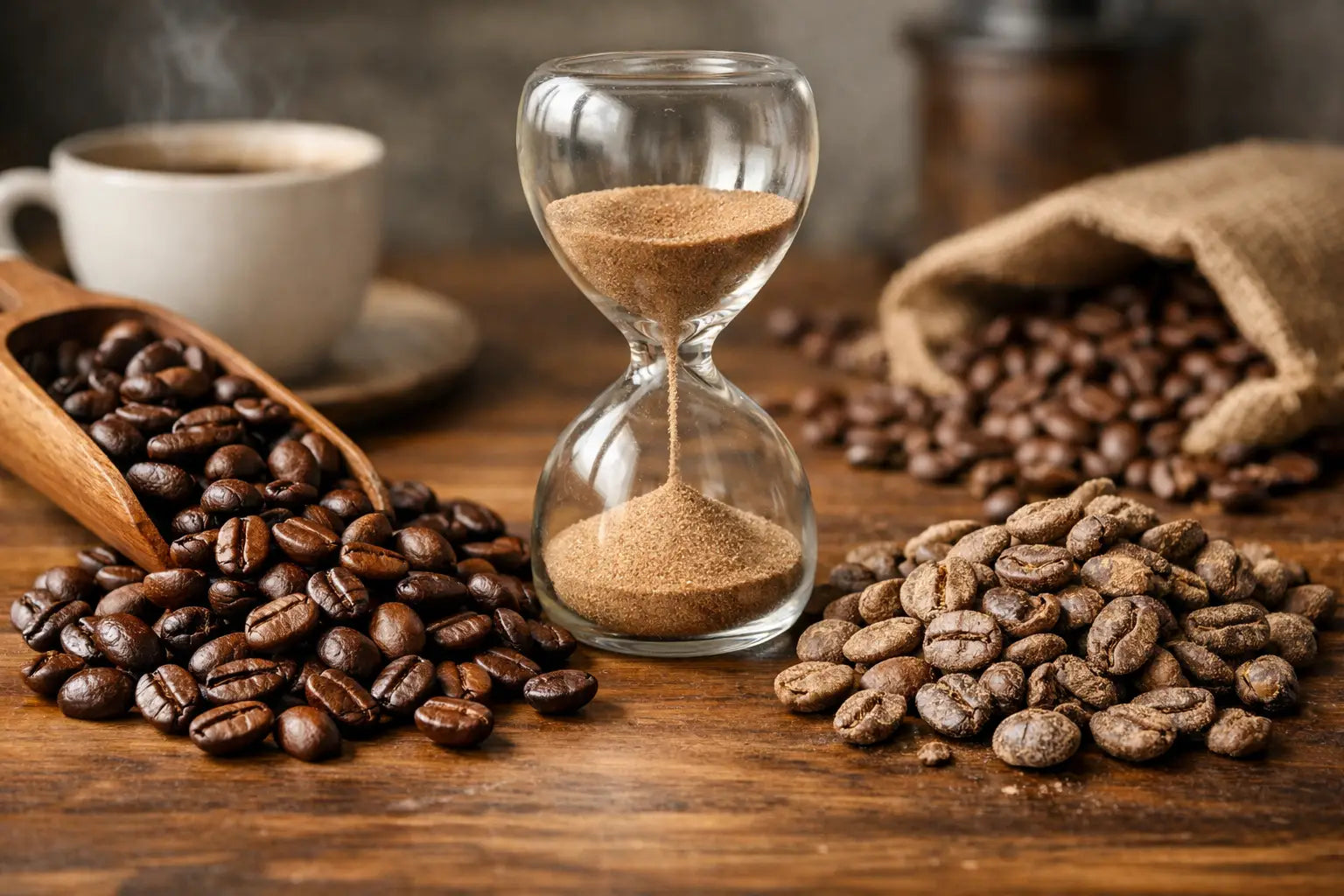
That bag in the back of the pantry may still make coffee, but will it create the warm, aromatic first sip you look forward to each morning? Coffee beans expire in the sense that their best flavor and aroma fade over time. They do not usually become dangerous on a specific calendar date, yet freshness is a real part of specialty coffee quality - and it can be the difference between a memorable cup and one that tastes flat, woody, or strangely hollow.
For coffee lovers who choose carefully sourced Arabica, a roast date matters far more than a distant best-by date. Freshly roasted beans carry delicate aromatic compounds, natural sweetness, and origin character worth protecting. Treating them well lets the grower’s work, the roast, and your brewing ritual shine through.
Do coffee beans expire or just go stale?
Whole roasted coffee beans change from the moment they leave the roaster. During roasting, the beans develop carbon dioxide and hundreds of aromatic compounds that contribute to flavor. In the days that follow, some carbon dioxide escapes - a natural process called degassing - while oxygen slowly begins to dull the aromas and oils that make coffee taste lively.
So, coffee does not expire like fresh milk. A sealed bag of roasted beans is generally still usable past its printed date if it has been stored properly and shows no signs of moisture or mold. What expires first is the peak experience: the vibrant fruit in a washed Ethiopian coffee, the cocoa richness in a balanced blend, or the caramel-like sweetness of a carefully developed medium roast.
Coffee that is merely old is usually a flavor issue. Coffee exposed to moisture, however, is different. If beans smell musty, look visibly moldy, or have been stored in a damp environment, discard them. A great coffee ritual should feel comforting, never questionable.
How long do roasted coffee beans stay fresh?
There is no single deadline because roast level, packaging, storage, and brewing method all play a role. Still, a useful rule for most whole specialty beans is to enjoy them within about two to six weeks of the roast date. Many coffees are especially expressive between one and four weeks after roasting.
Very fresh coffee is not always the goal. Beans need time to rest after roasting, particularly for espresso. Brewing espresso only a day or two after roast can produce excessive gas, uneven extraction, and sharp flavors. Filter coffee often tastes lovely after several days of rest, while espresso may benefit from seven to 14 days, depending on the coffee and roast profile.
After the first month, good beans can absolutely still make a satisfying cup. The flavor simply becomes less animated. Bright acidity may soften, floral notes can disappear, and the finish may feel shorter. By two or three months after roast, many coffee drinkers notice a meaningful decline, especially with light roasts and nuanced single-origin coffees.
Ground coffee moves much faster. Grinding dramatically increases the surface area exposed to air, so its aromas begin escaping almost immediately. For the fullest flavor, grind only what you plan to brew. If convenience requires pre-ground coffee, buy a smaller amount and keep the bag tightly sealed.
Signs your coffee beans are past their best
Your palate is the most useful tool, but a few clues can help before you brew. Beans do not need to be glossy to be fresh - darker roasts naturally show more surface oil - so focus on the whole picture rather than one visual detail.
- The dry aroma is faint, dusty, papery, or cardboard-like instead of sweet and inviting.
- The brewed coffee tastes flat, overly bitter, woody, or dull, with little sweetness in the finish.
- A pour-over produces very little bloom, which can suggest the beans have lost much of their carbon dioxide.
- The beans smell musty or show any evidence of moisture or mold. In that case, do not brew them.
What makes beans lose flavor faster?
Coffee has four main enemies: air, heat, light, and moisture. Oxygen gradually oxidizes flavorful oils. Heat speeds up that process. Sunlight and bright kitchen lighting can contribute to flavor loss, while moisture can cause much more serious quality problems.
The original coffee bag is often better than it looks. Quality specialty coffee packaging typically includes a one-way valve that lets carbon dioxide out without letting much air in. Once opened, press out excess air, seal the bag carefully, and place it in a cool, dark cabinet away from the stove, dishwasher, or sunny counter.
An airtight, opaque container is also a good choice, especially if you buy coffee in a bag that does not reseal well. Avoid clear jars displayed on the counter. They may look beautiful, but coffee’s best place is not on display. It is protected until the moment it can fill your kitchen with the scent of a fresh brew.
The refrigerator is usually not ideal. Beans can absorb food odors, and moving a container in and out of cold storage may create condensation. Moisture is never a friend to roasted coffee.
Should you freeze coffee beans?
Freezing can work well when you have more coffee than you can reasonably drink within a few weeks. The key is portioning. Divide beans into small, airtight packages that hold roughly one week’s supply, freeze them once, and take out only one portion at a time.
This approach limits repeated temperature changes and condensation. Let the unopened portion return to room temperature before opening it, then store it in a cabinet and use it normally. Do not repeatedly scoop from one large frozen bag, return it to the freezer, and repeat. That cycle invites moisture and undermines the very freshness you are trying to save.
For a single bag you expect to finish within a month, cabinet storage is simpler and usually all you need. Freezing is a practical tool for stocking up, not a requirement for every coffee purchase.
Buy for your real coffee routine
The best storage advice cannot overcome buying more coffee than your household can enjoy while it is fresh. If you brew two cups each morning, a smaller bag delivered more often may offer a better experience than a giant bag that lingers for months. Subscriptions can be especially helpful because they create a steady rhythm of fresh coffee without turning the pantry into long-term storage.
Think about how you brew, too. Espresso drinkers may want enough time for a coffee to rest, while pour-over drinkers may prefer a rotation of smaller bags to explore different origins at their most expressive. If you are giving coffee as a gift, choose a recent roast and encourage the recipient to open it when they are ready to share it.
At House Coffee, freshly roasted, small-batch coffee is meant to meet you where coffee belongs: at the kitchen table, beside a quiet morning, or in the middle of a conversation worth lingering over. Freshness protects more than flavor. It protects the care behind every cup.
A simple freshness habit for better coffee
When a new bag arrives, write the roast date and the date you opened it somewhere you will see. Keep the beans whole, sealed, and away from heat. Grind just before brewing, use clean water, and adjust your recipe before blaming the beans for every imperfect cup.
Some coffees will naturally taste more chocolatey, bright, or delicate than others because origin and processing matter. But when the aroma rises from a fresh grind and the cup still has sweetness after it cools slightly, you will know the coffee is giving you what it has to offer. Make room for that moment - it is one of the small, generous pleasures of home.