Espresso Versus Drip Coffee: Which Is Right for You?
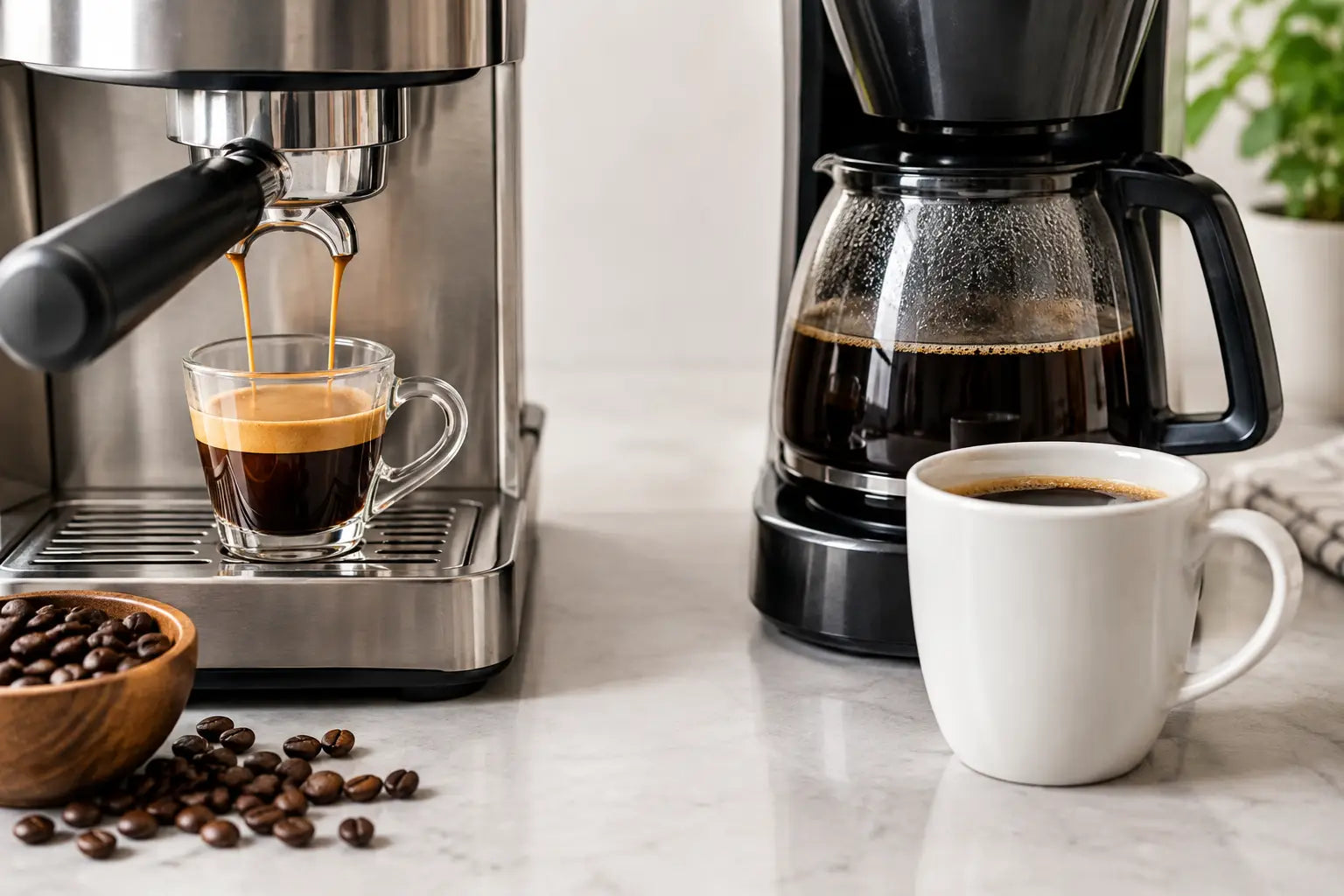
A quiet morning may call for a generous mug you can hold with both hands. A busy afternoon may call for a concentrated shot with a caramel-like crema and a quick burst of energy. Espresso versus drip coffee is not a contest with one clear winner. It is a choice between two brewing styles, two flavor experiences, and often two kinds of coffee rituals.
Both can turn exceptional beans into a memorable cup. The difference is in how water meets the coffee, how much of the coffee you drink at once, and what you want from the moment. When the beans are freshly roasted, carefully sourced, and ground just before brewing, either method can bring a little more comfort and intention to your day.
Espresso Versus Drip Coffee: The Core Difference
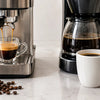
Espresso is made by forcing hot water through a tightly packed, finely ground coffee bed under pressure. The result is small in volume, usually one or two ounces, with a fuller body, intense aroma, and a layer of crema on top. It is the foundation for cappuccinos, lattes, Americanos, and other café favorites, but a well-pulled espresso is also satisfying on its own.
Drip coffee, also called filter coffee, uses gravity rather than pressure. Hot water moves through medium-ground coffee and a filter, then drips into a carafe or cup. The brewing process takes longer, but it produces a larger, cleaner cup that lets you linger over distinct tasting notes.
That basic difference changes almost everything. Pressure amplifies texture and concentration in espresso. Filtration brings clarity and balance to drip coffee. Neither method is automatically stronger, better, or more sophisticated. The better choice is the one that suits your palate, routine, and equipment.
Flavor, Body, and Aroma in the Cup
Espresso tastes concentrated because it is concentrated. A good shot can offer notes of chocolate, toasted nuts, ripe fruit, brown sugar, or florals in a few sips. Its body is syrupy compared with filter coffee, and its crema adds a fragrant, velvety first impression. Because espresso is so compact, small changes in grind, dose, water temperature, or shot time can make a noticeable difference.
Drip coffee has more room to unfold. A washed Ethiopian coffee may show jasmine, citrus, and tea-like sweetness. A Colombian or Guatemalan coffee may bring cocoa, apple, and gentle caramel notes. The paper filter removes much of the coffee oil and sediment, creating a bright, clean finish that makes origin character easy to notice.
If you enjoy intensity and texture, espresso may speak to you. If you want to trace the personality of a single-origin coffee over a full cup, drip brewing often makes that easier. There is also a middle ground: brewing a longer espresso-style drink, such as an Americano, gives you some espresso richness with more volume.
Is Espresso Stronger Than Drip Coffee?
It depends on what “stronger” means. Espresso contains more dissolved coffee per ounce, so it tastes bolder and carries more caffeine in a small serving. But a typical mug of drip coffee is much larger than a shot of espresso, so the total caffeine in the mug may be equal to or higher than what you would get from a single or double shot.
A standard one-ounce espresso shot often contains roughly 60 to 75 milligrams of caffeine, although the bean, dose, and recipe matter. An eight-ounce cup of drip coffee can range widely, often landing around 80 to 120 milligrams or more. Treat those numbers as useful estimates, not promises.
Roast level adds another common misconception. Dark roasts do not automatically have more caffeine than light roasts. When coffee is measured by weight, the caffeine difference is modest. Choose your roast for the flavor you love, then adjust your serving size and brew method to fit your caffeine preferences.
The Equipment and Time Trade-Off
Drip coffee is usually the more accessible path to a consistently good home brew. A reliable automatic brewer, pour-over dripper, paper filters, kettle, scale, burr grinder, and fresh coffee can create a beautiful daily ritual. Automatic machines offer convenience when mornings are full. Pour-over brewing invites a slower pace and gives you more control over pouring, timing, and extraction.
Espresso requires more precision. A capable espresso machine, quality burr grinder, scale, tamper, and some patience are the starting point. The grinder matters especially because espresso needs an extremely consistent fine grind. If the grind is too coarse, water moves through too quickly and the shot can taste thin or sour. Too fine, and the shot can run slowly, creating bitterness and dryness.
That does not mean espresso is only for experts. It means it rewards curiosity. Once you learn a dependable recipe, dialing in your coffee can become a satisfying part of the day. For some people, preparing a shot and steaming milk feels like bringing a favorite café ritual home. For others, pressing a button on a drip brewer before the house wakes up is exactly the kind of luxury they need.
Choosing Beans for Espresso and Drip Coffee
Freshness and quality matter more than the label on the bag. Specialty Arabica coffee with careful processing and roasting gives both methods a stronger foundation. Look for a roast date rather than relying only on a best-by date, and buy quantities you can enjoy while the coffee is at its most expressive.
For espresso, many people gravitate toward coffees with chocolate, nut, caramel, and stone-fruit notes because they stay balanced under pressure and pair beautifully with milk. A thoughtfully developed medium roast can be especially forgiving for new home espresso brewers. That said, adventurous drinkers may enjoy a bright, fruit-forward light roast as espresso when it is dialed in carefully.
For drip coffee, single origins can be particularly rewarding. A light to medium roast may reveal the qualities shaped by elevation, variety, soil, and processing method. These cups can feel vivid without being sharp when brewed well. Medium and darker profiles also work beautifully in a drip brewer, especially if you prefer a rounder, more familiar cup with cocoa and roasted-nut depth.
At House Coffee, we believe that a coffee’s origin and craftsmanship should be felt in the cup, not hidden behind unnecessary complexity. Whether you choose a curated blend for dependable comfort or a specialty single origin for a more distinctive experience, grind it for your chosen method just before brewing whenever possible.
How to Get Better Results at Home
For drip coffee, begin with a simple ratio: about 1 gram of coffee for every 16 to 17 grams of water. For an eight-ounce cup, that is roughly 15 grams of coffee. Use filtered water, a medium grind, and water just off the boil. If the cup tastes sour or watery, try a finer grind or slightly more coffee. If it tastes harsh, bitter, or hollow, go a little coarser.
For espresso, a useful starting recipe is 18 grams of ground coffee in, yielding about 36 grams of espresso out in 25 to 30 seconds. If your shot tastes sharp and underdeveloped, grind finer or lengthen the brew time. If it is intensely bitter, dry, or slow, grind coarser. Change one variable at a time, then taste. Your palate is the final measure.
Keep whole beans in an airtight container away from heat, light, and moisture. Avoid storing them in the refrigerator, where condensation and food odors can compromise flavor. A good burr grinder is one of the most meaningful upgrades for either brewing style because consistent particles make extraction more even.
Which Coffee Ritual Fits Your Day?
Choose espresso when you want a concentrated, tactile coffee experience, when you love milk drinks, or when making coffee is part of the pleasure. It is ideal for a quick morning shot, an after-dinner treat, or a moment when you want bold flavor without a large drink.
Choose drip coffee when you want a longer, more relaxed cup, need to serve several people, or want to notice the fine details in a single-origin coffee. It is often the easier option for weekday mornings and the more practical choice for a full pot shared around the kitchen table.
You do not need to commit to one forever. A bag that makes a mellow, chocolate-forward espresso on Monday can become a comforting pour-over on Saturday. Let the season, your schedule, and the people gathered around you shape the brew. The best cup is the one that gives you a reason to slow down, take a breath, and create a cherished moment at home.