Specialty Coffee for Offices That Feels Better
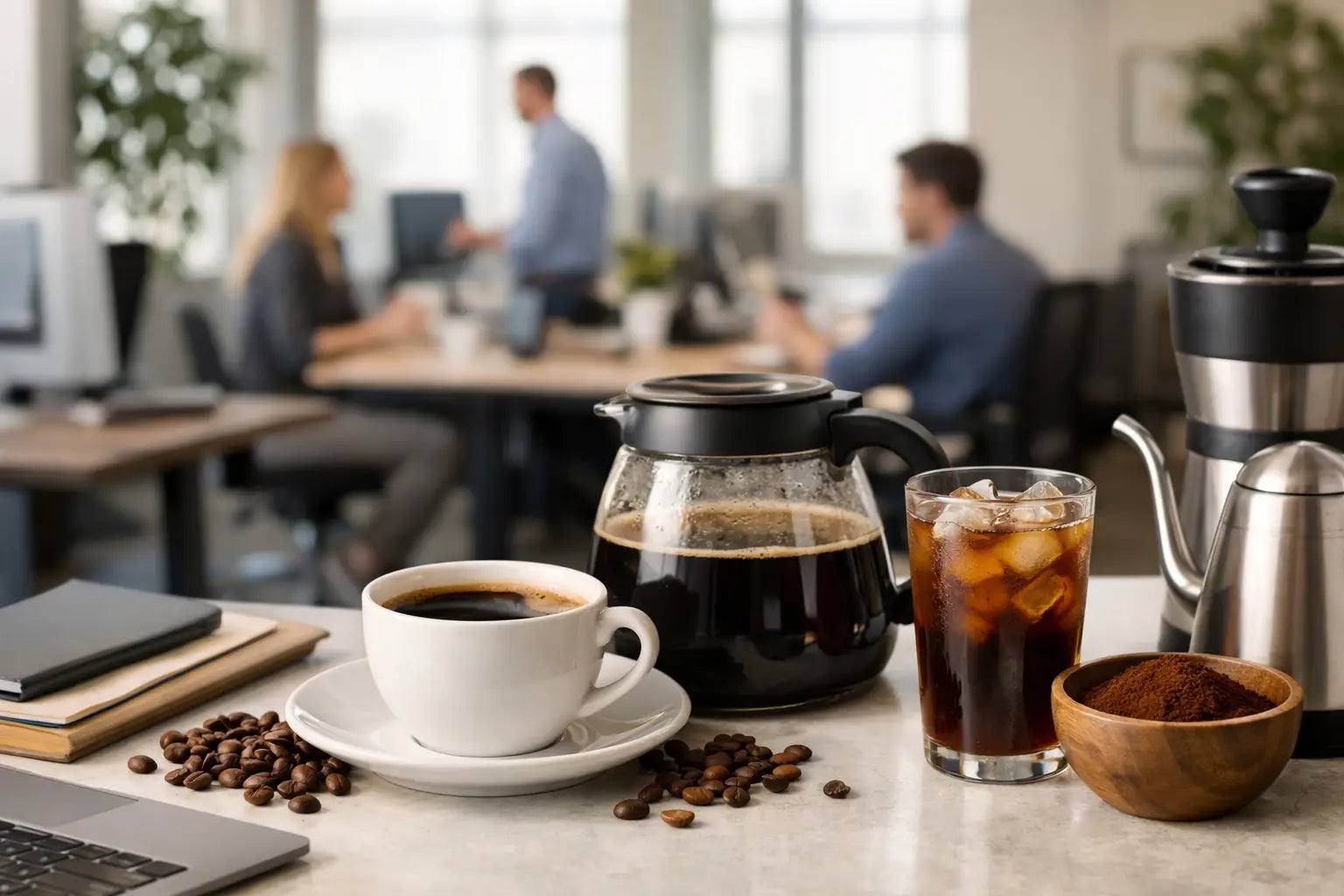
The coffee pot is often the first place a workday becomes human. Before calendars fill up and conversations turn to deadlines, coworkers gather for a familiar ritual: a warm cup, a few unhurried minutes, and a chance to reset. Specialty coffee for offices turns that small daily moment into a meaningful workplace perk - one that reflects care for the people behind the work.
A better coffee program does not require a café build-out or a complicated ordering process. It starts with fresh-roasted beans, an appropriate brew method, and a few practical decisions shaped around how your team actually drinks coffee. The payoff is more than a fuller, sweeter cup. It is a break room people want to use, a more welcoming place for visitors, and a simple way to create cherished moments at work.
Why Specialty Coffee for Offices Makes a Difference
Specialty coffee is defined by quality, traceability, and careful production. It begins with high-quality Arabica coffee, often sourced from a specific region, farm, or cooperative, then roasted with intention to bring out its natural character. A specialty-grade coffee generally earns a Q-grade score of 80 or higher. Coffees scoring 84+ offer an especially compelling level of clarity, sweetness, and balance for a workplace program.
That difference is easy to taste. Where stale, commodity coffee can lean bitter, flat, or harsh, fresh specialty beans may offer notes such as chocolate, roasted almond, caramel, citrus, berry, or stone fruit. Not every office needs a bright, fruit-forward single origin on the counter each morning. But every office can benefit from coffee that tastes clean, satisfying, and deliberately chosen.
There is also a practical business case. Coffee is a highly visible employee benefit because people experience it every day. It can help make early meetings easier, give teams a natural reason to step away from their screens, and leave a strong impression on candidates, clients, and partners. A thoughtfully stocked coffee station says the details matter here.
Start With How Your Office Drinks Coffee
The right coffee program depends less on what is trending and more on your team size, equipment, and habits. A 10-person design studio with a pour-over brewer has different needs than a 100-person office running a high-volume automatic machine.
Begin by estimating daily consumption. Consider how many people are in the office on a typical day, how many cups they drink, and whether coffee is also served to guests. This helps determine order frequency and prevents a common mistake: buying oversized quantities that sit too long and lose their character.
Freshness matters. Whole beans are best when used within a few weeks of roasting, and they hold their flavor longer than pre-ground coffee. For a smaller office, regular deliveries in manageable quantities are usually better than storing a large bulk order in a cabinet for months. A subscription or recurring wholesale order can make that rhythm easier to maintain.
Choose a Flavor Profile With Broad Appeal
For most shared workplaces, a balanced medium or medium-dark blend is the safest starting point. It tends to be approachable with or without milk, works well across drip and espresso brewing, and offers familiar notes like cocoa, brown sugar, nuts, and gentle fruit. These coffees are comforting without being boring.
Single origin coffees can bring something special to the rotation, particularly for teams that enjoy tasting new coffees. A washed Colombian might offer caramel sweetness and red-fruit brightness, while a Brazilian coffee may feel smooth, nutty, and chocolate-forward. An Ethiopian coffee can be memorable and floral, but its lively fruit character will not suit every palate as the only option in a shared kitchen.
A smart middle ground is to make a versatile house blend the everyday offering and bring in a single origin as a monthly feature. This gives traditional coffee drinkers the dependable cup they expect while making room for curiosity and conversation.
Match the Beans to Your Brewing Setup
Coffee quality can only travel as far as the brewing setup allows. That does not mean every office needs premium espresso equipment. It means choosing coffee and grind size that suit the equipment already in use, then maintaining that equipment well.
For standard drip brewers, select a coffee roasted for balance and use a medium grind. Batch brewing works beautifully when the machine is clean, water is filtered, and coffee is brewed in amounts people will drink within an hour or two. Leaving coffee on a hot plate all morning can flatten even excellent beans. Thermal carafes are a better option for preserving flavor.
Bean-to-cup machines are convenient for busy offices because they grind each drink fresh. They are especially useful when people prefer espresso-style coffee, americanos, cappuccinos, or lattes. Their trade-off is maintenance. The machine needs daily attention, regular cleaning, and a coffee that is compatible with its grinder and settings.
For smaller teams or client-facing spaces, a French press, pour-over brewer, or quality automatic brewer can add a more personal touch. These methods reward careful brewing but require someone to own the routine. If no one has the time to measure, grind, and clean, choose the system that will be used consistently rather than the one that looks most impressive.
Do Not Overlook Water, Grinders, and Storage
A capable burr grinder is one of the biggest improvements an office can make. Grinding just before brewing preserves aroma and flavor, while blade grinders produce uneven particles that can make coffee taste both weak and bitter. Keep the grinder clean, too. Old grounds and coffee oils can quickly dull a fresh roast.
Filtered water is equally worth attention. Strong chlorine or heavy mineral content can hide the coffee's sweetness and create off-flavors. The goal is not laboratory-level precision. Clean, good-tasting water and a regularly descaled brewer will take an office coffee setup much farther than most people expect.
Store whole beans in their original sealed bag or an airtight container, away from heat, direct sun, and moisture. The refrigerator is not ideal, as coffee can absorb odors and experience condensation. A cool pantry cabinet is enough.
Build a Coffee Station People Want to Return To
The most inviting office coffee stations feel organized, generous, and easy to use. Keep the coffee visible, label decaf clearly, and make essentials simple to find. Fresh milk or a reliable plant-based option, cups that suit the workplace, stirrers, sweeteners, and a place for used grounds all help the experience feel cared for rather than improvised.
Consider the preferences of the people using it. Some teams value organic coffee, while others prioritize direct trade relationships, single origin transparency, or a dependable espresso blend. Ethical sourcing should not be an afterthought. When coffee comes from dedicated growers and is purchased with attention to quality and long-term relationships, the cup carries a story beyond the office walls.
This is also where coffee can support workplace culture without becoming performative. Offer a new origin for a team tasting, make the coffee station part of a welcome package for new hires, or serve a standout brew during an important client visit. These are small gestures, but they give everyday work a little more warmth.
Set a Program That Stays Fresh and Sustainable
The best office coffee program is one that someone can realistically manage. Assign a clear owner for inventory, cleaning schedules, and reordering. Track what disappears fastest for the first month. If decaf remains unopened while the medium roast runs out every week, adjust. If oat milk is consistently requested, make it part of the regular order instead of an occasional extra.
Waste deserves consideration as well. Choose compostable options where local facilities accept them, recycle coffee bags when their materials allow, and compost used grounds when possible. Brewing smaller batches more frequently often improves both taste and waste control.
House Coffee can support offices looking for freshly roasted, specialty-grade coffee with the warmth and quality needed for a daily shared ritual. Whether the right fit is a crowd-pleasing blend, a rotating single origin, or coffee for a special workplace event, the goal remains the same: serve a cup people are genuinely happy to pause for.
A great office coffee station will not solve every hard day. It can, however, offer a better beginning, a more generous break, and one familiar place where good work and good company meet.