What Coffee Roast Level Means for Your Cup
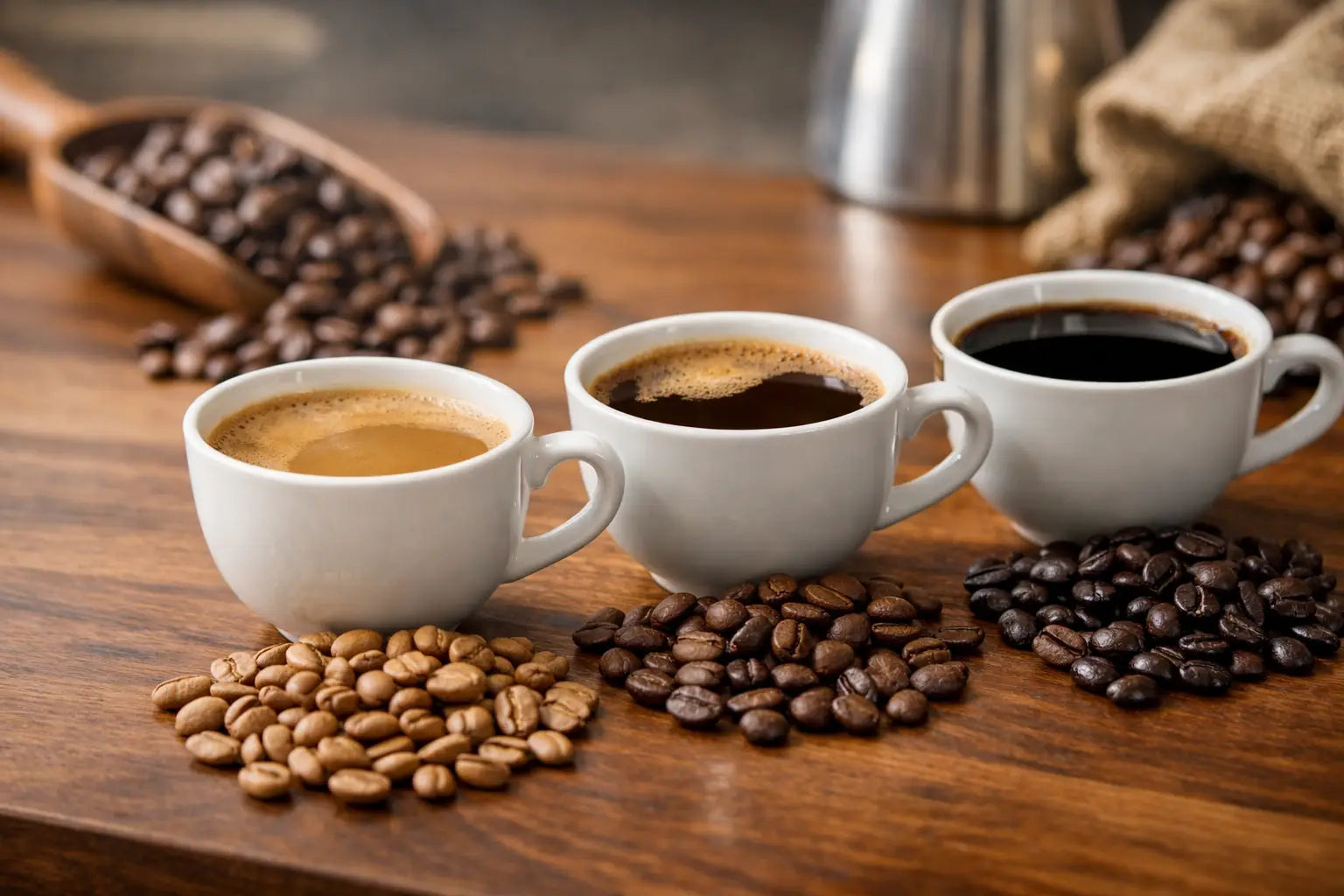
The same coffee bean can taste like ripe berries, caramel, toasted nuts, or dark chocolate depending on what happens in the roaster. That is what coffee roast level means: it is the degree to which green coffee has been heated and developed, shaping the aroma, body, acidity, and flavor you experience in your cup. For a coffee ritual that feels like home, understanding roast level helps you choose beans that suit both your palate and your favorite brewing method.
Roast level is often described as light, medium, or dark. Those labels are useful starting points, but they do not tell the whole story. A thoughtful roast profile also considers the coffee’s origin, variety, processing method, density, and moisture content. A skilled roaster works to bring out the best qualities already present in a specialty-grade bean, rather than covering them up.
What Coffee Roast Level Means in the Roastery
Coffee begins as a dense, pale green seed with little resemblance to the fragrant brown beans in your grinder. During roasting, heat triggers a series of physical and chemical changes. The beans lose moisture, expand, darken in color, and release hundreds of aromatic compounds.
Early in the roast, the coffee develops sweetness and structure. As heat continues, sugars caramelize and acidity changes. The beans eventually make an audible popping sound known as first crack, a key milestone that signals the coffee has expanded and become more porous. Most specialty light and medium roasts are finished sometime after first crack. Darker roasts spend more time developing beyond that point, moving toward second crack and deeper caramelization.
Roast level is not a quality grade. A dark roast is not automatically stronger or lower quality than a light roast, and a light roast is not automatically more refined. Quality begins with the green coffee itself: careful cultivation, ethical sourcing, processing, sorting, and freshness all matter. Roasting is the craft of translating that potential into a balanced cup.
Light Roast: Bright, Lively, and Origin-Forward
Light-roasted coffee is usually light brown, with a dry surface and no visible oil. Because it spends less time in the roaster, it tends to preserve more of the character created by its growing region and processing method. A washed Ethiopian coffee may show floral notes and lemon-like brightness, while a natural-process coffee from the same country may lean toward strawberry, jam, or cocoa.
Expect a lighter body, pronounced acidity, and distinct flavor notes. Here, acidity does not mean sourness. In a well-roasted, properly brewed light roast, it can feel crisp and refreshing, much like citrus, apple, or stone fruit. If the coffee tastes sharply sour, thin, or grassy, the issue may be underdevelopment in roasting or an uneven brew rather than the roast level itself.
Light roasts are especially rewarding for pour-over, drip coffee, and other filter methods that leave room for delicate aromas to shine. They can also make beautiful espresso, though they often require more careful dialing in. A slightly finer grind, a warmer brew temperature, or a longer extraction may help reveal their sweetness.
Medium Roast: Sweetness, Balance, and Everyday Versatility
Medium roast is where many home coffee drinkers find their sweet spot. The beans are medium brown, typically dry on the surface, and roasted long enough to build more caramelized sweetness while still retaining a clear sense of origin.
A medium roast often offers a rounded body, balanced acidity, and familiar notes such as brown sugar, milk chocolate, toasted almond, or red fruit. It can feel approachable without being ordinary. The best examples still carry a coffee’s individual personality, whether it comes from the highlands of Colombia, the mountains of Guatemala, or another exceptional growing region.
This versatility makes medium roast an easy choice for households with different preferences. It performs beautifully in a drip brewer or French press, and it is often forgiving enough for espresso as well. Add a splash of milk and its sweetness remains present. Drink it black and there is still plenty to notice.
For many people, medium roast is not a compromise between light and dark. It is a deliberate expression of balance, crafted to create a comforting, flavorful cup every morning.
Dark Roast: Deep, Full-Bodied, and Familiar
Dark-roasted beans are deeper brown and may develop a slight sheen of oil as they move further through the roast. Their flavor is shaped more strongly by the roasting process, bringing forward notes of dark chocolate, toasted sugar, roasted nuts, spice, and sometimes a pleasantly smoky finish.
Dark roast generally has a fuller body and lower perceived acidity than lighter profiles. It can be an excellent choice for those who want a bold cup, a classic diner-style coffee experience, or an espresso that stands up confidently to steamed milk. In a cappuccino or latte, a well-executed dark roast can bring satisfying cocoa depth without getting lost behind the dairy.
There is a trade-off. The darker a coffee is roasted, the less obvious its original fruit, floral, and regional notes become. That is not a flaw when the roast is handled with care. The goal is not to taste char or ash. A great dark roast should still feel sweet, clean, and intentional, with enough complexity to invite another sip.
Roast Level Does Not Tell You Everything
The label on a bag is helpful, but roast level is only one part of choosing coffee you will love. Two medium roasts can taste remarkably different. One may be a single origin with bright cherry and honey notes; another may be a blend designed for a rich, chocolate-forward espresso.
Processing matters too. Washed coffees often taste clean and structured, while natural-process coffees can be fruitier and more wine-like. Freshness is equally meaningful. Coffee is at its most expressive after it has had a short rest following roasting, and it is best enjoyed while its aromatics are still vibrant. Buying freshly roasted, small-batch coffee gives you a better chance to taste the care behind the bean.
At House Coffee, specialty Arabica coffees are selected for quality and character, then roasted to honor what each origin has to say. A Q-grade score of 84 or higher is a meaningful signal of specialty quality, but your own enjoyment remains the final measure. The coffee that makes you pause, breathe in the aroma, and look forward to the next morning is the right one for you.
How to Choose the Right Roast for Your Brewing Style
Start with the flavors you naturally reach for. If you enjoy tea, fruit, sparkling acidity, and black coffee, try a light roast. If you want a smooth, sweet cup with flexibility across brewing methods, medium roast is a natural home base. If your ideal coffee is intense, chocolatey, and especially good with milk, explore a dark roast.
Your brewer can guide the choice, but it should not limit it. Pour-over brewing often highlights light and medium roasts because paper filters create a clean cup. French press brewing emphasizes body and can make medium and dark roasts feel especially plush. Espresso works across the spectrum, though medium and dark profiles are usually easier to dial in for traditional, milk-based drinks.
Keep in mind that your water, grind size, dose, and brew time can change the final cup as much as a roast label can. Before deciding a roast is not for you, adjust one variable at a time. A light roast that tastes too sharp may need a finer grind or hotter water. A dark roast that tastes bitter may benefit from a coarser grind or a shorter brew time.
A Better Way to Taste Roast Levels
Try tasting roast levels side by side rather than relying on memory. Brew each coffee with the same method, use the same coffee-to-water ratio, and let the cups cool for a few minutes. As coffee cools, sweetness and origin notes often become easier to identify.
Notice the body first. Does the coffee feel delicate and tea-like, creamy and round, or heavy and syrupy? Then consider acidity, sweetness, and finish. You may find that you prefer a bright light roast on a quiet weekend morning, but reach for a darker, fuller blend when sharing a pot with family. Preferences are allowed to change with the moment.
Roast level is not a rulebook for what good coffee should taste like. It is an invitation to choose more intentionally, brew with a little more curiosity, and create cherished moments around a cup that feels made for you.