Single Origin Flavor Profiles Guide for Home Brewers
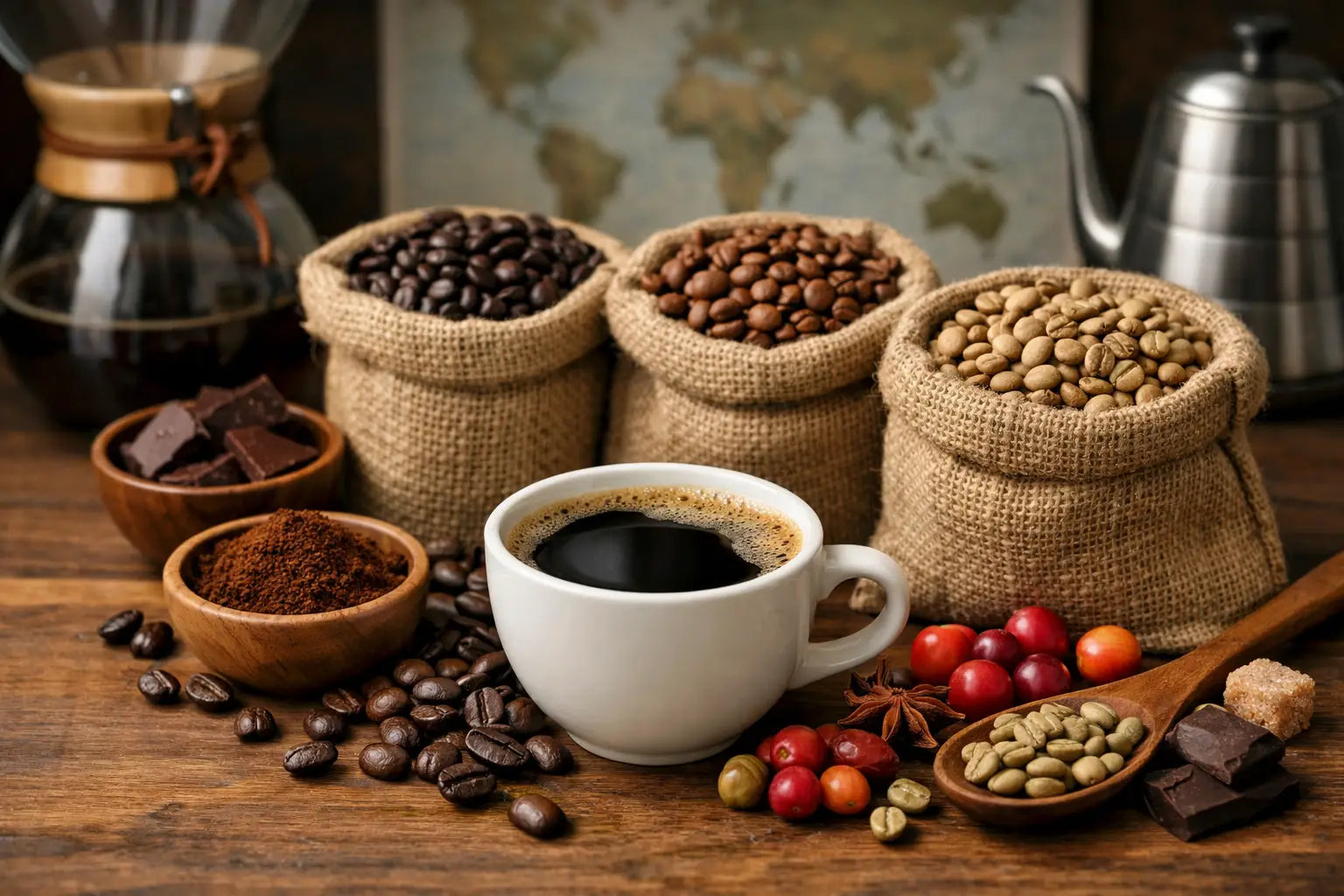
A washed Ethiopian coffee can bring a bright, tea-like cup alive with jasmine and lemon. A natural-process coffee from the same country may lean toward blueberry jam and ripe peach instead. That is the pleasure of buying coffee with a sense of place. This single origin flavor profiles guide will help you understand what those tasting notes mean, choose beans with confidence, and make each fresh cup at home feel a little more personal.
What a Single Origin Flavor Profile Really Tells You
Single origin coffee comes from one defined place, such as a country, region, cooperative, farm, or even a specific lot. The more precise the sourcing, the more clearly a coffee can express the conditions that shaped it: the variety of Arabica, altitude, soil, climate, harvest, processing, and roasting.
A flavor profile is a useful snapshot of that expression. It may describe acidity, body, sweetness, and finish, alongside recognizable notes such as cocoa, citrus, caramel, stone fruit, or almond. These are not added flavors. A specialty roaster is describing aromas and tastes naturally present in the bean, much like someone might notice honey, apple, or spice in a glass of wine.
Think of tasting notes as a direction rather than a promise of a single exact flavor. Your grinder, water, brewer, and recipe all influence what reaches the cup. Freshly roasted, specialty-grade coffee gives you the best chance of finding the character the grower and roaster intended.
The Four Elements Behind Coffee Flavor
Coffee flavor begins long before a bean reaches the roastery. Knowing the main influences makes origin descriptions much easier to read.
Origin and growing conditions
High elevations generally create denser coffee cherries that mature more slowly. This often contributes to a lively acidity and more layered sweetness. A high-grown Colombian or Kenyan coffee may feel crisp and vibrant, while a lower-grown Brazilian coffee often presents a rounder, softer profile built around chocolate and nuts.
That is a tendency, not a fixed rule. Two farms in the same country can taste strikingly different because of variety, rainfall, shade, and farming practices. This is why single origin coffee is worth paying attention to. It gives the grower’s work room to speak.
Processing method
Processing is the way the fruit is removed from the coffee seed after harvest. Washed coffees are cleaned before drying, often producing a clear, crisp cup with defined citrus, floral, or apple-like notes. Natural coffees dry inside the fruit, which can create heavier sweetness and fruit-forward flavors reminiscent of berries, tropical fruit, or wine.
Honey and pulped natural processes sit somewhere between those two approaches. They can offer both clarity and syrupy sweetness. If you enjoy fruit but do not want an intensely fermented cup, these coffees can be a wonderful middle ground.
Roast level
Roasting develops sweetness and aroma, but it also changes how much of the origin you can taste. Light roasts tend to preserve delicate florals, fruit, and sparkling acidity. Medium roasts often bring balance, adding caramel-like sweetness and a fuller texture. Darker roasts lean toward deeper cocoa, toasted nuts, and roast-driven notes.
No roast level is automatically better. It depends on what you enjoy and how you brew. A bright light roast may shine in a pour-over, while a medium roast can make a comforting, balanced morning drip coffee. For espresso, some drinkers prefer more developed sweetness and body, while others enjoy a modern, fruit-forward shot.
Brewing variables
The same beans can taste juicy and sweet one day, then sharp or hollow the next, simply because of grind size or water temperature. Under-extraction often tastes sour, thin, or salty. Over-extraction can taste bitter, dry, and overly intense. Before deciding a coffee is not for you, adjust one variable and try again.
A finer grind, a slightly longer brew, or warmer water can help a sour cup taste more complete. If the coffee tastes harsh or astringent, try a coarser grind, a shorter brew, or slightly cooler water. Small changes can bring a hidden note of brown sugar, orange, or milk chocolate into focus.
A Single Origin Flavor Profiles Guide by Region
Regional descriptions are a starting point, not a shortcut around curiosity. Use them to find a likely match for your taste, then let each coffee surprise you.
Ethiopia: floral, citrusy, and fruit-forward
Ethiopian coffees are often beloved by pour-over drinkers for their fragrant, elegant character. Washed lots may offer bergamot, jasmine, lemon, peach, or black tea. Natural lots can be fuller and sweeter, with blueberry, strawberry, or tropical fruit impressions.
Choose Ethiopia when you want coffee that feels expressive and aromatic. It can be a beautiful choice for a slow weekend brew, though its brightness may be less familiar if you usually drink dark, chocolatey coffee.
Colombia: balanced, sweet, and versatile
Colombia produces a wide range of exceptional coffees, but many share a reassuring balance of sweetness, gentle acidity, and clean finish. Look for notes of red apple, orange, caramel, chocolate, or stone fruit. It is often an easy transition into specialty coffee because it offers complexity without feeling difficult.
Colombian single origins work well across brewing methods. A clean, medium-roasted lot can feel equally at home in a drip brewer, French press, or espresso machine.
Brazil: chocolate, nuts, and comforting body
Brazilian coffees commonly lean into milk chocolate, hazelnut, peanut brittle, and caramel. They tend to have lower perceived acidity and a creamy, rounded body, making them especially inviting for espresso and coffee with milk.
If your perfect cup is rich, mellow, and familiar, start here. Brazil is also a thoughtful choice when serving guests, since its approachable profile tends to please a wide range of palates.
Guatemala and Central America: structured sweetness and spice
Guatemalan, Costa Rican, and other Central American coffees often bring a polished balance of chocolate, citrus, brown sugar, and subtle baking spice. Many have enough brightness to stay lively, with a satisfying body that keeps the cup grounded.
These coffees are ideal for someone who wants more character than a classic chocolate-forward brew but less fruit intensity than a natural Ethiopian. They make everyday coffee feel elevated without asking you to recalibrate your palate.
Kenya: vivid acidity and dark fruit
Kenyan coffees are known for an unmistakably juicy, sparkling profile. Black currant, grapefruit, tomato, berry, and hibiscus are common descriptions, along with a syrupy texture in outstanding lots. The acidity can be thrilling, but it is not for every morning or every brewer.
Try a Kenyan single origin when you enjoy bright fruit in your coffee and want a cup that feels energetic. Use clean water and a careful pour-over recipe to let its complexity come through.
How to Choose a Coffee You Will Love
Start with the flavors you already reach for in food and drink. If you love dark chocolate, toasted almonds, and caramel desserts, choose coffees described as nutty, cocoa-forward, and full-bodied. If citrus, berries, and tea are more your style, look for floral, juicy, and fruit-forward notes.
Then consider how you drink your coffee. For black coffee, a washed Ethiopian, Kenyan, or bright Colombian can be remarkably expressive. For milk drinks, coffees with chocolate, caramel, and nut notes usually remain clear and sweet through the milk. Espresso drinkers should also consider solubility: a medium roast is often more forgiving at home than a very light roast.
Quality matters as much as the flavor description. Specialty Arabica with a Q-grade score of 84 or higher has been evaluated for cup quality, helping ensure that the notes on the bag are rooted in careful sourcing and roasting. Ethical, direct relationships add another layer of meaning. When growers are valued for quality, care can carry from the farm to the cup.
Taste With Curiosity, Not Pressure
You do not need a trained palate or a shelf full of brewers to enjoy single origin coffee. Brew a cup, let it cool for a few minutes, and ask simple questions: Does it feel light or heavy? Is the sweetness closer to fruit, sugar, or chocolate? Does the finish feel clean, creamy, dry, or lingering?
Avoid chasing every printed tasting note. If a coffee is described as peach and you taste honey and orange instead, you have not tasted it incorrectly. You have noticed something real. Flavor language is shared reference, not a test.
For a memorable comparison, brew two single origins side by side using the same method. A chocolatey Brazilian beside a floral Ethiopian makes the effect of origin wonderfully clear. It is also a lovely way to turn an ordinary morning into a small ritual worth sharing.
The best coffee for your home is not the one with the most dramatic description. It is the one that makes you pause after the first sip, feel at ease, and look forward to brewing another cup for someone you love.