What Makes Coffee Taste Chocolatey? A Clear Guide
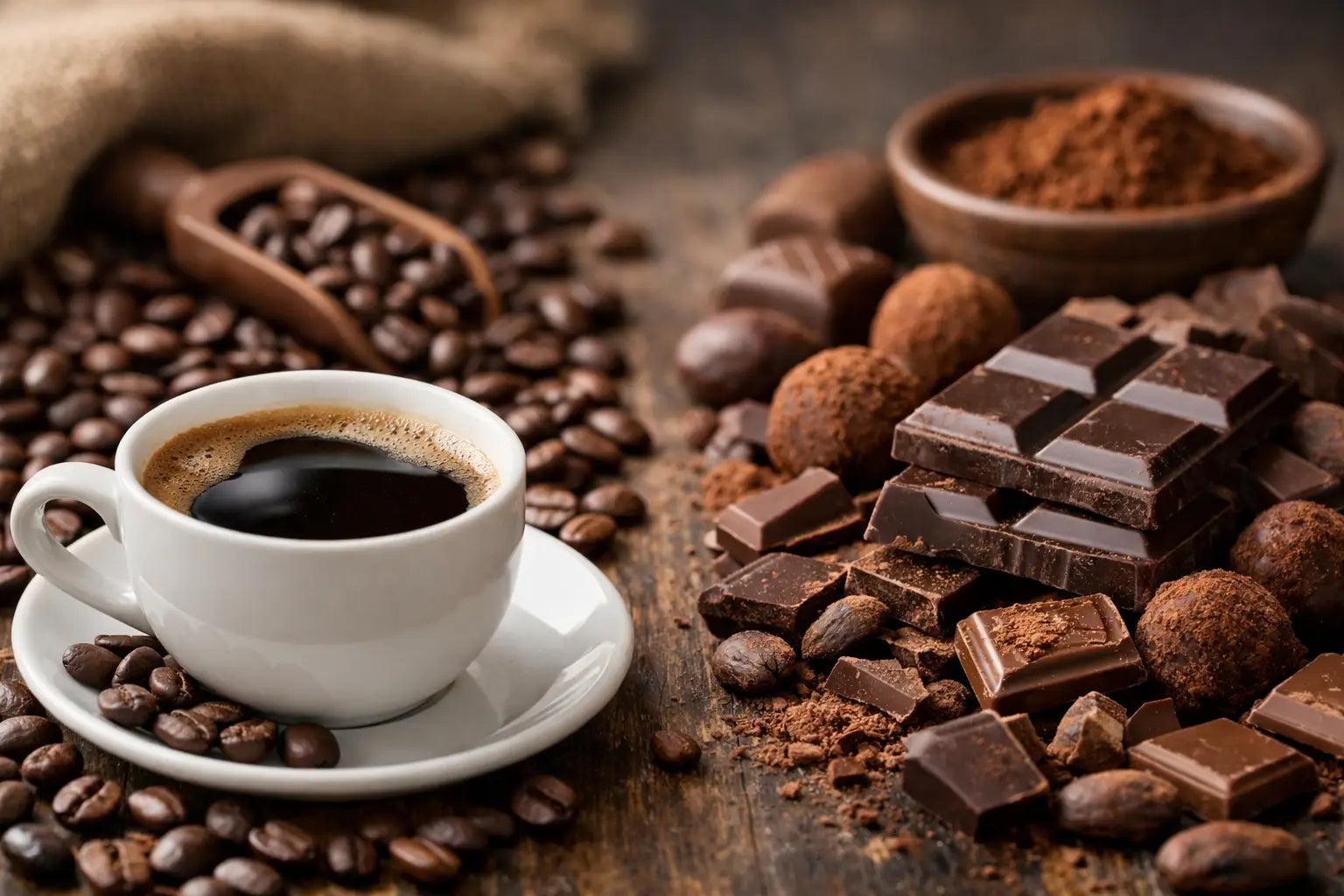
That first sip that reminds you of cocoa, brownie, or dark chocolate does not mean chocolate was added to the beans. What makes coffee taste chocolatey is a meeting of nature and craft: the coffee’s variety, growing conditions, processing method, roast development, and the way it is brewed at home. When those pieces align, the cup can feel deeply comforting, sweet, and familiar - the kind of coffee that makes an ordinary morning feel a little more like home.
What Makes Coffee Taste Chocolatey in the First Place?
Coffee and chocolate share more than a place in our favorite desserts. Both contain hundreds of aromatic compounds, and some create overlapping impressions of cocoa, roasted nuts, caramel, and brown sugar. In specialty coffee, “chocolatey” is a tasting description, not an ingredient list. It may point to cocoa powder, milk chocolate, dark chocolate, chocolate fudge, or even a bittersweet baking-chocolate finish.
The flavor begins at origin. Arabica coffee grown in certain regions naturally tends toward rounder, cocoa-like profiles. Many coffees from Brazil, Colombia, Peru, Guatemala, and parts of Central America are known for flavors that can read as chocolate, nuts, caramel, and soft fruit. A coffee from Ethiopia may lean more floral or berry-like, while a washed Kenyan coffee may show bright currant and citrus. Neither profile is better - they simply offer different kinds of pleasure in the cup.
Altitude, soil, rainfall, temperature, and shade all influence how slowly coffee cherries mature. Slower maturation can help develop concentrated sugars and complex acids. Those sugars and acids become part of the flavor story long before roasting begins.
Variety and terroir shape the foundation
Coffee varieties matter, too. Bourbon, Caturra, Typica, Mundo Novo, and many regional cultivars can express sweetness in different ways depending on where they are grown. A skilled producer works with that potential through careful harvesting, picking ripe cherries and separating lower-quality fruit.
This is why specialty-grade coffee matters. High-scoring lots are evaluated for clarity, sweetness, balance, and freedom from defects. A coffee with a strong natural cocoa character can still taste flat if it was poorly processed, stored carelessly, or roasted without attention. Quality is not one step. It is a chain of decisions, from farm to cup.
Processing Can Bring Out Cocoa and Sweetness
After harvest, coffee cherries must be processed to remove the fruit around the seed, which becomes the coffee bean we roast. This stage has a major influence on whether chocolate-like flavors feel clean and structured or rich and fruit-forward.
Washed coffees have most of the fruit removed before drying. They often taste crisp, transparent, and balanced. In a coffee with a naturally chocolatey profile, washing can highlight cocoa, toasted almond, and caramel with a clean finish. These coffees are often a reliable choice for people who want classic, comforting filter coffee or espresso without intense fruitiness.
Natural-process coffees dry with the fruit still around the bean. They can develop heavier sweetness, a fuller body, and fruit notes that resemble berries or jam. When the origin and roast are right, that ripe sweetness can sit beside dark chocolate, fudge, or cacao nib flavors. The trade-off is that naturals can be more expressive and less traditional. If you prefer a very clean cup, a washed coffee may be the better fit.
Honey and pulped-natural processes sit somewhere between washed and natural methods. They can preserve sweetness and body while retaining more clarity than a full natural. For many home brewers, this is a beautiful middle ground: chocolate and caramel depth with enough brightness to keep the cup lively.
Roasting Turns Potential Into Chocolate Notes
Green coffee does not taste like the finished cup. Roasting transforms it through heat, browning reactions, and careful development. This is where sugars, amino acids, and aromatic compounds begin to create the scents and flavors we recognize as toasted nuts, caramel, bread crust, and chocolate.
A medium roast is often where chocolate notes are easiest to find. It develops enough body and sweetness to feel rich while preserving the character of the coffee itself. In a well-roasted Colombian or Brazilian coffee, you may taste milk chocolate, hazelnut, brown sugar, or cocoa with a smooth, rounded finish.
Darker roasts can also taste chocolatey, but the character changes. Dark chocolate, roasted cacao, and bittersweet notes become more prominent as roast intensity rises. Done well, a darker roast can be bold, syrupy, and satisfying in espresso or a milk drink. Taken too far, however, the roast can cover the origin with bitterness, smoke, or ash. More darkness does not automatically mean more chocolate flavor.
Lighter roasts preserve more acidity and origin distinction. They can still show cocoa notes, especially in coffees with a naturally nutty or caramel-like foundation, but chocolate may be one layer among citrus, stone fruit, floral, or tea-like flavors. If you are seeking an unmistakably chocolatey daily cup, medium or medium-dark is usually a more dependable starting point.
Brewing Can Make or Break a Chocolatey Cup
Even exceptional beans can miss the mark if the brew is under-extracted, over-extracted, or stale. Chocolate-like flavors rely on sweetness, body, and balance. Your goal is to pull enough flavor from the grounds without pushing the cup into harsh bitterness.
For a fuller, more chocolate-forward experience, try a slightly finer grind or a modestly higher coffee dose, then adjust gradually. French press, espresso, moka pot, and drip brewing with a flat-bottom brewer can emphasize body and richness. Pour-over brewers can produce a beautiful cocoa-like cup as well, though they often bring more clarity and brightness to the foreground.
Water temperature matters. If your coffee tastes sour, thin, or sharply acidic, the water may be too cool, the grind too coarse, or the brew time too short. If it tastes dry, bitter, or woody, try a coarser grind, a shorter contact time, or slightly cooler water. For most brewing methods, water just off the boil works well, especially when paired with freshly ground coffee.
Freshness is another quiet but essential factor. Coffee is at its most expressive after it has had a little time to rest following roasting, then while its aromatics remain lively. Whole beans ground just before brewing will usually deliver more sweetness and a richer cocoa aroma than pre-ground coffee that has been sitting open in the pantry.
How to Choose Coffee With Chocolate Notes
When shopping for beans, look for tasting notes such as milk chocolate, dark chocolate, cocoa, cacao, brownie, caramel, toffee, hazelnut, almond, or brown sugar. These descriptors are a useful guide, but they are not guarantees. Your grinder, water, recipe, and personal palate all affect what reaches the cup.
Origin gives you another helpful clue. Brazil is often associated with chocolate, nuts, and low-acid sweetness. Colombia can offer caramel and cocoa alongside red fruit or citrus. Guatemala commonly brings cocoa, spice, and a structured sweetness. Blends can be especially appealing for espresso and everyday brewing because a roaster can combine coffees for a consistent, chocolate-forward body and finish.
At House Coffee, selecting freshly roasted specialty Arabica with clear origin information gives home brewers a better starting point than chasing a flavor claim alone. Look for coffee that tells you where it comes from, how it was processed, and what the roaster expects you to taste. Those details invite you to brew with intention and find the profile that feels right for your ritual.
A final tip: taste your coffee after it cools for a few minutes. Very hot coffee can hide sweetness and blur delicate aromas. As the temperature drops, cocoa, caramel, and nutty notes often become easier to recognize. Give the cup a moment, take another sip, and let a simple daily coffee become one of those small, cherished moments worth slowing down for.