Best Coffee Beans for Pour Over
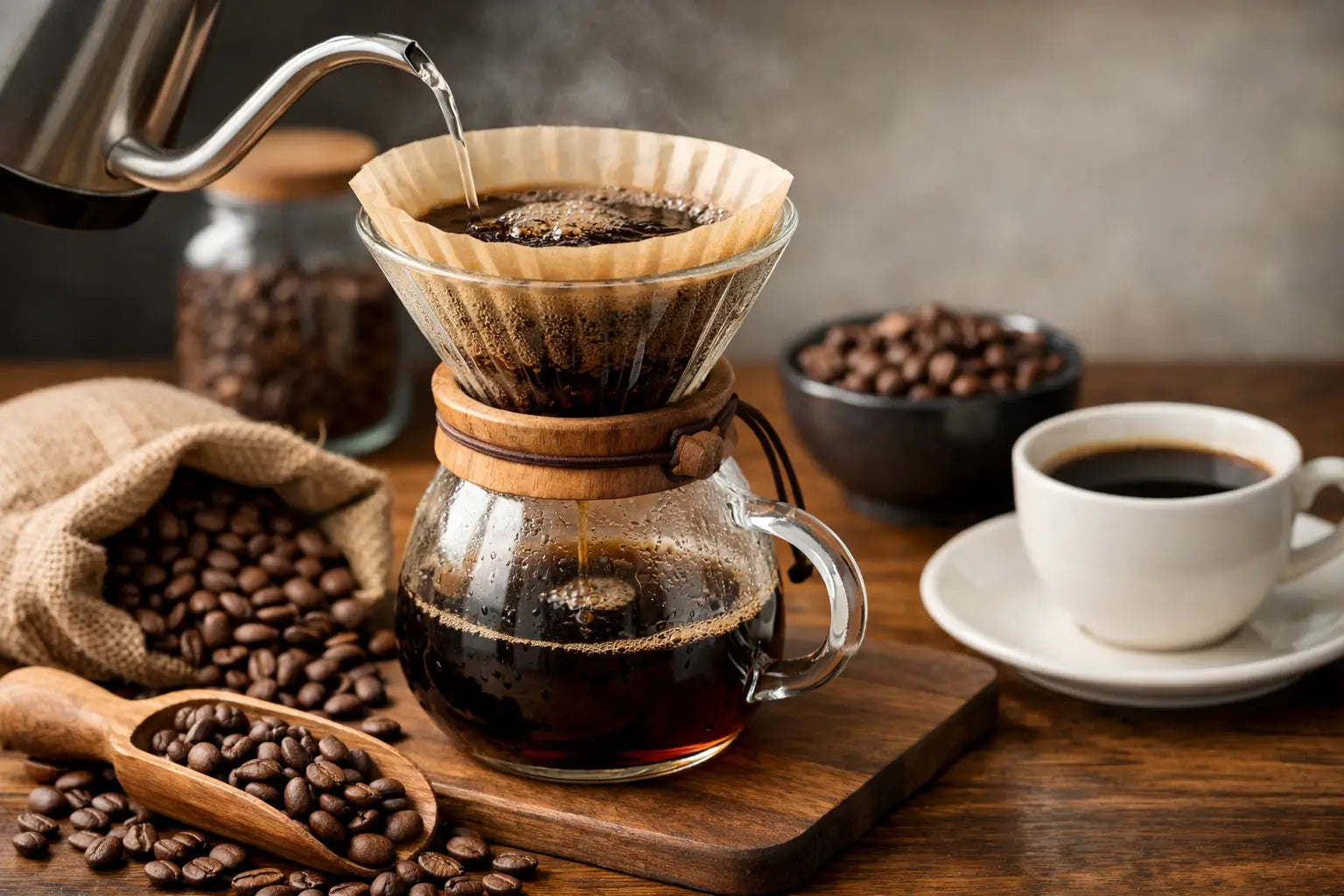
A great pour over can make an ordinary morning feel a little more grounded. When the grind is right, the water is steady, and the aroma starts to rise from the dripper, the best coffee beans for pour over do more than taste good - they bring clarity, sweetness, and the kind of quiet comfort that turns brewing into a ritual.
What makes the best coffee beans for pour over?
Pour over is one of the clearest ways to taste a coffee’s character. Unlike immersion methods, where grounds and water sit together for longer, pour over highlights structure. Acidity feels more defined, florals become easier to notice, and subtle differences between origins show up in the cup.
That means bean choice matters more than many people expect. The best coffee beans for pour over are usually coffees with clean processing, strong sweetness, and enough complexity to stay interesting without becoming sharp or thin. In practice, that often points to specialty-grade Arabica, freshly roasted in small batches, with a traceable origin and a flavor profile that suits filter brewing.
Freshness is a big part of this. Beans that were roasted recently will have more vivid aromatics and a more expressive cup. Too fresh, and you may struggle with uneven extraction because of excess gas. Too old, and the coffee can taste flat or woody. For most pour over brewing, beans tend to shine after a short rest and before their brightness starts to fade.
Single origin or blend?
If you love clarity and want to taste where a coffee comes from, single origin is usually the stronger choice. A washed Ethiopian coffee might show jasmine and citrus. A Colombian lot might bring red fruit and caramel. A Guatemalan coffee can offer cocoa, orange, and a structured finish. Pour over rewards those distinctions.
Blends, though, should not be dismissed. A well-built blend can create a more balanced and forgiving cup, especially if you like sweetness, body, and consistency over pronounced acidity. For someone brewing every morning before work, that can be exactly the right fit.
The real answer depends on what you want from the cup. If your ideal brew is lively, layered, and expressive, start with single origin beans. If you want a comforting profile that tastes dependable day after day, a blend may serve you better.
Roast level matters more than people think
Light to medium roasts are usually the sweet spot for pour over. They preserve origin character and let brighter notes come through with more precision. That is why so many filter-focused coffees land in this range.
A very light roast can be beautiful, but it asks more from your grinder, water temperature, and technique. If your setup is basic or your brew consistency is still improving, it can taste underdeveloped or sour. Medium roast is often the safer recommendation because it brings sweetness and approachability while still keeping plenty of nuance.
Darker roasts can work in pour over, but they shift the experience. You will usually get more roast-driven notes like dark chocolate, smoke, or bittersweet caramel, while delicate fruit and floral notes move into the background. If that is the profile you enjoy, there is nothing wrong with it. Just know that pour over tends to spotlight the roast as much as the bean.
The best origins for pour over coffee
No origin is universally best, but certain producing regions are especially rewarding in a pour over setup.
Ethiopia for floral and citrus notes
Ethiopian coffees are often the first recommendation for pour over because they can be so aromatic and expressive. Washed Ethiopians often show lemon, bergamot, tea-like body, and jasmine. Natural Ethiopians can lean into blueberry, strawberry, and candy-like sweetness. If you want a cup that feels vivid and lifted, Ethiopia is a strong place to start.
Colombia for balance and sweetness
Colombian coffee is wonderfully versatile. Depending on region and processing, it can offer citrus, stone fruit, panela, caramel, and chocolate. For many home brewers, Colombia sits in the sweet spot between exciting and approachable. It is often complex enough for enthusiasts but familiar enough for everyday drinking.
Guatemala for structure and depth
Guatemalan coffees tend to have a little more weight while still keeping clarity. Expect notes like cocoa, orange, brown sugar, and apple, often with a polished, elegant finish. They work especially well for drinkers who want pour over to feel refined without becoming too delicate.
Kenya for brightness and intensity
Kenyan coffees are known for vivid acidity, berry notes, and juicy structure. In pour over, they can taste strikingly articulate, with blackcurrant, grapefruit, tomato leaf, or tropical fruit depending on the lot. They are thrilling when brewed well, but they can be a bit much for someone who prefers a softer cup.
Central and South America for everyday filter brewing
Beyond the familiar standouts, coffees from Costa Rica, El Salvador, Peru, and Brazil can all perform beautifully in pour over. Some bring sparkling acidity, others emphasize nutty sweetness and chocolate. If you want a coffee that feels comforting, balanced, and easy to return to every day, these origins are often a smart choice.
Processing changes the cup
Origin tells part of the story. Processing tells another.
Washed coffees are often ideal for pour over because they tend to be clean, crisp, and transparent. You taste more of the bean’s natural acidity and structure, which suits brewers who want precision in the cup.
Natural process coffees usually taste fruitier and heavier, with more fermented sweetness. In pour over, they can be lush and memorable, but sometimes less tidy. If you enjoy berry-forward cups with a little more texture, they are worth exploring.
Honey and other experimental processes can land somewhere in the middle or push into more adventurous territory. They can be delicious, but they also introduce more variation. If consistency matters most, washed coffees are usually the easiest recommendation.
Quality signals worth paying attention to
When you are shopping for pour over beans online, look beyond vague tasting notes. Specialty details help you make better choices.
Single origin is useful because it gives you a clearer sense of place. Roast date matters because freshness shapes flavor. A Q-grade score of 84+ is another strong sign that the coffee meets specialty standards and should offer more clarity and sweetness than commodity coffee. Ethical sourcing matters too, not just for transparency, but because careful partnerships often go hand in hand with better harvesting and processing.
This is where premium small-batch roasters stand apart. When coffees are selected with quality in mind and roasted to highlight origin rather than mask defects, pour over becomes far more rewarding.
How to choose the right pour over beans for your taste
If you like bright, tea-like coffee, choose a washed Ethiopian or Kenyan in a light to medium roast. If you want a sweeter, rounder cup, start with Colombian or Guatemalan beans. If comfort matters more than acidity, look for notes like chocolate, caramel, nuts, or brown sugar rather than grapefruit, florals, or tropical fruit.
It also helps to be honest about your brewing setup. A high-end grinder and careful technique can get the best out of more delicate coffees. If your grinder is modest or your routine needs to be simple, a medium roast from Colombia, Guatemala, or Brazil may be easier to brew well and enjoy consistently.
For many home brewers, the best path is not chasing the most exotic profile. It is finding a coffee that fits your mornings. That may be a bright single origin on weekends and a balanced, sweeter cup during the workweek.
A note on freshness and storage
Even the best beans will disappoint if they are stale or poorly stored. Buy in quantities you will actually finish while the coffee is still tasting lively. Keep beans in an airtight container, away from heat, moisture, and direct light. Skip the fridge. It does more harm than good.
Grinding just before brewing also makes a major difference. Pour over depends on aroma and clarity, and pre-ground coffee loses both quickly. If you want a cup that feels café-worthy at home, whole beans and a consistent grinder are worth it.
Why premium beans change the pour over experience
Pour over is often described as a method for people who want more control, but what it really offers is more honesty. It reveals the work behind the cup - the growing, processing, roasting, and brewing. When the beans are exceptional, that honesty is a gift.
Freshly roasted, specialty-grade coffees from dedicated producers tend to bring more sweetness, cleaner flavor separation, and a finish that lingers for the right reasons. That is why brands like House Coffee focus on single origin Arabica, ethical sourcing, and small-batch roasting. Those choices are not just marketing language. They shape what ends up in your mug.
The best pour over coffee is not always the rarest or the most expensive. It is the one that makes you pause after the first sip, notice something beautiful in the flavor, and want to brew it again tomorrow. Start with quality, trust your palate, and let each cup teach you what home should taste like.