Coffee Wholesale for Cafes That Fits Your Menu
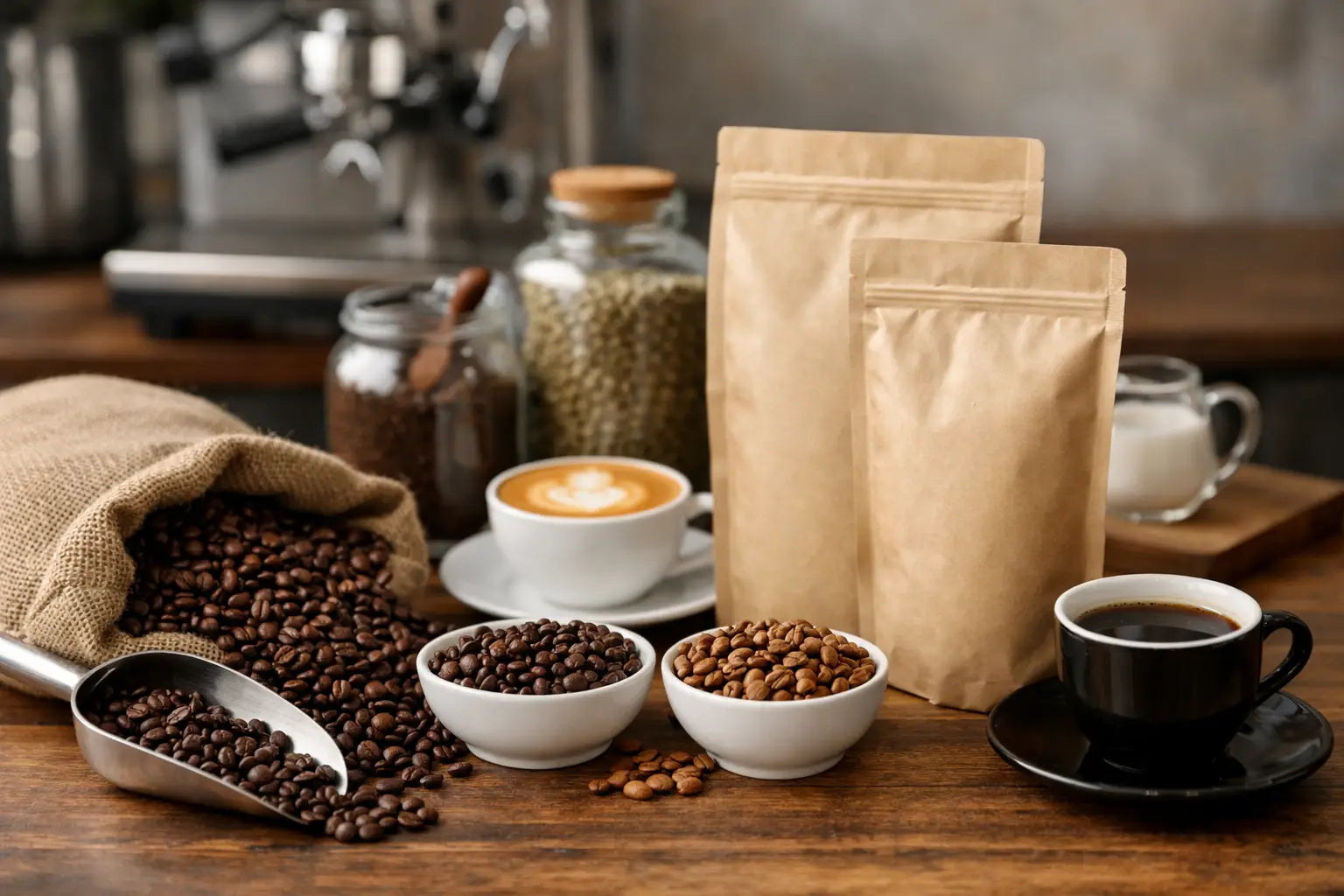
The difference between a cafe people try once and a cafe people return to often comes down to the cup they remember. Pastries matter. Service matters. Atmosphere matters. But coffee wholesale for cafes is where the daily experience is built - bean by bean, roast by roast, shot by shot.
If you run a cafe, choosing a wholesale partner is not just a sourcing task. It shapes flavor consistency, food pairing, staff workflow, menu pricing, and the kind of story your business can tell. A great coffee program feels comforting and elevated at the same time. It gives regulars a reason to come back and gives new guests a reason to stay a little longer.
What good coffee wholesale for cafes actually means
Wholesale coffee is easy to reduce to price per pound, but that is rarely the smartest place to start. A lower-cost bag that produces inconsistent espresso, stales quickly, or requires constant dialing in can cost more in waste, labor, and disappointed customers. A better way to judge coffee wholesale for cafes is to ask how well the coffee performs in a real service environment.
That means looking at freshness, roast consistency, quality grading, sourcing transparency, and how the coffee behaves across drinks. A cafe espresso has to stand up on its own, cut through milk beautifully, and still feel balanced during a busy morning rush when baristas are pulling shot after shot. Filter coffee needs clarity and sweetness, but also broad appeal. Not every guest wants a wildly experimental cup before work.
For many cafes, the sweet spot is specialty-grade coffee that is approachable enough for everyday drinking and distinctive enough to reflect care. Single origin offerings can add excitement and seasonal interest. Curated blends often do the heavy lifting for espresso and house drip because they are designed for consistency and balance.
Start with your menu, not just the beans
The most successful wholesale decisions begin with your cafe concept. Are you a neighborhood coffee bar serving classic milk drinks all day? Are you a bakery cafe where brewed coffee carries a large share of volume? Are you building a specialty menu with rotating pour-overs and guest education built into the experience?
Those details matter because the right coffee for one cafe can be the wrong coffee for another. A bright, floral Ethiopian single origin may thrill a weekend enthusiast ordering a hand-pour, but it may feel too delicate as the main espresso in a high-volume latte business. On the other hand, a chocolate-forward blend with gentle fruit notes can be dependable, crowd-pleasing, and easier to build into your margins.
Your menu should also guide how many coffees you need. Some cafes do best with a simple program - one house espresso, one drip, and one rotating feature. Others benefit from a wider range. More choice can create a premium feel, but it also adds training demands, inventory complexity, and the risk of slower turnover. Freshness always wins over variety that sits too long.
Espresso, drip, and retail each play a different role
Espresso is usually the centerpiece because it touches so many drinks. It needs sweetness, structure, and enough body to remain recognizable in cappuccinos and lattes. Drip coffee often serves a different purpose. It should be clean, comforting, and easy to enjoy black, especially for regulars who order the same cup every morning.
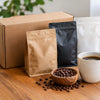
Retail bags bring another layer. If your guests fall in love with what they drink in the cafe, they may want to recreate that ritual at home. Offering retail coffee that reflects your in-house program can turn one visit into an ongoing relationship. It also reinforces your cafe as a trusted taste-maker, not just a stop on the way to work.
Quality markers worth paying attention to
Not all premium claims mean the same thing. If you are comparing suppliers, look for details that signal real quality instead of vague positioning. Fresh roasting matters because coffee is at its best when it reaches your bar with enough rest to perform well but not so much age that aromatics and sweetness have faded.
Origin information matters too. Single origin coffees can highlight place, seasonality, and producer care. Blends can be just as valuable when built thoughtfully, especially for espresso. If a roaster talks clearly about sourcing relationships, harvests, processing methods, and cup profile, that is usually a better sign than broad marketing language.
Cupping scores can help, though they should not be the only metric. Specialty coffees with Q-grade scores of 84 and up generally indicate a stronger quality baseline. Still, what matters in a cafe is not just whether a coffee scores well on a cupping table. It needs to translate into a cup your customers actually want to order again.
Ethical sourcing is part of quality
Ethical sourcing should not be treated as a separate bonus feature. It is part of what makes a coffee program worth standing behind. Cafes today are often asked where their coffee comes from, who grew it, and whether the supply chain reflects real care.
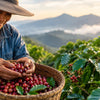
Working with a wholesale partner that values direct and transparent sourcing gives you a more meaningful story to share. It can also create stronger long-term quality because producers who are respected and paid more fairly are better positioned to keep investing in their farms and processing.
Margin matters, but so does cup value
Cafe owners have to think in practical terms. Cost matters. Menu engineering matters. Waste matters. But the goal is not simply to buy the cheapest coffee that passes. The goal is to buy coffee that creates enough value in the cup to support your pricing and your reputation.
A more expensive coffee can make perfect sense if it lifts drink quality, improves customer retention, and supports premium pricing. At the same time, there is no prize for choosing a coffee so costly that it strains your menu or pushes you into pricing your core drinks above what your market will bear. This is where balance matters.
Ask what yield you can expect, how the coffee extracts, how forgiving it is during service, and how often profiles change. Some cafes want highly seasonal coffees and are happy to retrain often. Others need a stable house offering that keeps operations smooth. Neither approach is wrong. It depends on your customer base, staff skill, and service pace.
What to ask a wholesale coffee partner
A strong wholesale relationship should feel collaborative, not transactional. You are not just buying bags. You are building part of your guest experience around another company's craft.
Ask how often the coffee is roasted and shipped. Ask whether the roaster can help you choose coffees for espresso versus batch brew. Ask what support is available for dialing in, training, and seasonal transitions. You should also understand minimum orders, lead times, and how the partner handles consistency from batch to batch.
It is also worth asking whether they can support your growth. If you open a second location, add catering, or expand retail offerings, can they grow with you? The best partners combine specialty standards with dependable logistics.
Why freshness changes everything
Freshness is one of the easiest promises to make and one of the hardest to manage well. For cafes, it affects crema, sweetness, aroma, and consistency across service. Coffee that is too fresh may behave unpredictably. Coffee that is too old can taste flat and lifeless.
That is why small-batch roasting and thoughtful fulfillment matter. A wholesale program should help you receive coffee in a useful window, not just move inventory out the door. When roasting schedules, packaging, and delivery timing are aligned with your order volume, your team has a much better chance of serving coffee at its best.
For specialty-focused cafes, this level of care is not extra. It is part of the promise. It tells guests that what they are drinking was chosen with intention, not simply purchased for convenience.
Building a coffee program guests remember
The strongest cafes create a coffee experience that feels both polished and personal. They serve a cup that tastes consistently excellent, but they also give it context. Maybe that comes through a house espresso blend that feels warm and familiar every morning. Maybe it comes through a rotating single origin that invites discovery. Often, it comes through both.
That is where a wholesale partner can make a real difference. A roaster like House Coffee, with fresh small-batch roasting, specialty-grade standards, and ethically sourced coffees, can help cafes offer something that feels premium without losing warmth. Guests notice when a coffee feels crafted instead of generic.
And that is the heart of the decision. Coffee wholesale for cafes is not only about supply. It is about building a daily ritual your customers trust. When the coffee in the cup reflects care from origin to roast to service, it does more than taste good - it gives people a reason to make your cafe part of their routine.