How to Buy Single Origin Coffee Online
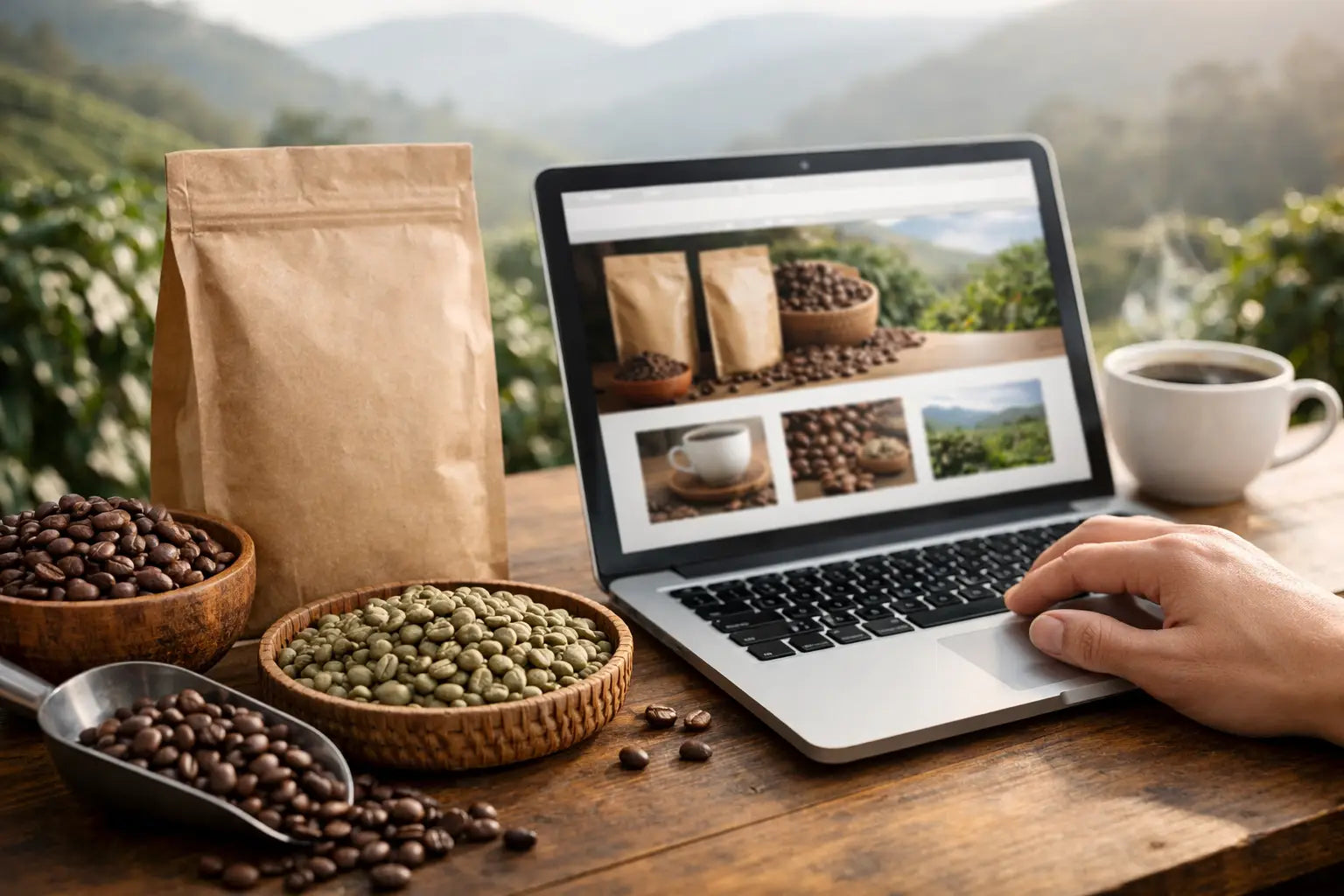
A bag of coffee can look beautiful on a screen and still disappoint in your cup. That is why knowing how to buy single origin coffee online matters. When you are shopping for coffee you cannot smell, taste, or inspect in person, the details behind the listing become everything.
Single origin coffee appeals to people who want more than a generic dark roast. It offers a clearer sense of place, season, and craft. One bag might bring bright citrus from Ethiopia, while another delivers chocolate and stone fruit from Colombia. Buying online gives you access to that range, but it also asks you to read carefully and shop with intention.
How to buy single origin coffee online without guessing
The first thing to check is whether the seller gives you real information about the coffee's origin. Single origin should mean the coffee comes from one country, region, farm, cooperative, or lot, depending on how specific the producer and roaster can be. The more precise the origin details, the better. A label that simply says "single origin" without naming where it was grown tells you far less than one that lists the country, region, altitude, and producer.
That information matters because origin shapes flavor. Climate, soil, elevation, and processing all influence what ends up in your mug. If you already know you enjoy berry-forward coffees, certain African origins may be a good fit. If you lean toward caramel, cocoa, and nut tones, many Latin American coffees will feel more familiar and comforting. Buying online gets easier once you connect origin with your own taste memory.
Freshness is the next filter, and it should never be treated like a small detail. Coffee is an agricultural product, but roasted coffee is also perishable in a practical sense. You want to see a roast date, not just a best-by date. A best-by date can stretch too far into the future to be useful, while a roast date gives you a much clearer picture of when the coffee was prepared for brewing.
For most home brewers, coffee is often at its best within a few weeks of roasting, though the ideal window depends on the brewing method. Espresso drinkers sometimes prefer a little resting time after roast, while filter coffee can shine sooner. The point is simple: if a roaster is proud of freshness, they usually tell you exactly when the coffee was roasted.
What to look for on a product page
A strong product page should help you imagine the cup before it arrives. Flavor notes are part of that, but they need context. If you see tasting notes like jasmine, peach, or brown sugar, remember these are sensory comparisons, not added flavors. They describe what the coffee naturally suggests when grown, processed, roasted, and brewed well.
That said, tasting notes are not guarantees. Your grinder, brewer, water, and brew ratio all affect what you taste. It is better to read flavor notes as direction rather than promise. If a coffee is described as bright and tea-like, it may not satisfy someone craving a rich, low-acid morning cup. If it is described as syrupy and chocolatey, it may be ideal for espresso or a cozy French press.
Roast level deserves close attention too. Many people assume single origin coffee is always lightly roasted, but that is not always true. Some roasters offer single origin coffees at light, medium, or even darker profiles depending on the bean and the intended brewing style. Light roasts often preserve more origin character and acidity. Medium roasts can balance clarity with sweetness. Darker roasts may mute some nuance but appeal to drinkers who want bolder, roast-driven flavor.
If you brew at home every day, choose a roast level that matches both your equipment and your preferences. A beautifully sourced coffee is still the wrong purchase if it does not suit how you actually drink coffee.
Quality markers that matter
When buying online, quality signals help separate specialty coffee from coffee that only looks premium. One of the clearest markers is whether the roaster shares cupping or grading information. In specialty coffee, a Q-grade score of 84+ generally signals a higher-quality Arabica coffee with notable flavor clarity and fewer defects. Not every great roaster puts the score on every page, but when they do, it shows a willingness to be transparent.
Processing method is another useful clue. Washed coffees often taste cleaner and more structured. Natural coffees can be fruitier and more expressive. Honey-processed coffees can land somewhere in between with round sweetness and texture. None of these methods is automatically better. It depends on what you enjoy. If you are new to single origin coffee, washed coffees are often an easy starting point because their flavors tend to read more clearly.
Ethical sourcing matters too, especially when you are paying a premium. Look for signs that the roaster works directly with producers, trusted import partners, or transparent sourcing relationships. Terms like ethical, sustainable, or direct trade should be backed by a little substance. A good coffee story should tell you something meaningful about the people and places behind the beans, not just decorate the package.
How to match coffee to your brewing ritual
The best online purchase is not just a good coffee. It is the right coffee for your home ritual. If your mornings revolve around espresso, look for coffees described as balanced, sweet, and dense enough to hold up with milk if that is how you drink it. If you brew pour-over, you may want higher-acid coffees with more floral or fruit-forward notes. For drip coffee makers, medium roasts with chocolate, nut, and caramel notes are often easy to love and easy to brew consistently.
Grind choice also matters when ordering. Whole bean is usually the better option if you have a grinder at home. It preserves freshness longer and gives you more control. Pre-ground coffee is convenient, but it goes stale faster and limits your ability to fine-tune extraction. If you need it ground, make sure the seller lets you choose the brew method so the grind is at least reasonably matched to your setup.
This is where buying from a specialty-focused roaster can feel reassuring. A brand like House Coffee brings together the details that matter most: single origin distinction, fresh roasting, specialty-grade standards, and a shopping experience built for people who want café-quality coffee at home without making it complicated.
How to spot a trustworthy online coffee seller
A trustworthy seller usually makes the buying process feel clear, not flashy. You should be able to find roast dates or freshness language, origin information, tasting notes, roast level, and brew guidance without digging. If the website is heavy on lifestyle language but light on coffee specifics, that is a sign to slow down.
Customer reviews can help, but read them carefully. Look for comments that mention flavor accuracy, freshness, consistency, and shipping speed rather than generic praise alone. A review saying "exactly as described, roasted fresh, and great for pour-over" tells you far more than "amazing coffee."
Shipping policies matter more than people think. Coffee can be excellent at the roastery and less impressive if it sits too long in transit or in a warehouse. Fast fulfillment and thoughtful packaging help preserve freshness. If you are ordering regularly, subscriptions can also be worth considering. They offer convenience, but only if you genuinely like variety or know you will use the coffee on schedule. Otherwise, one-off orders give you more flexibility.
Price is another place where nuance matters. Single origin coffee usually costs more than commodity coffee, and there are good reasons for that: smaller lots, higher quality standards, better sourcing, and careful roasting. Still, higher price does not always mean better fit for your palate. Sometimes a beautifully balanced, approachable single origin brings more daily joy than a rare micro-lot that feels too sharp or too delicate for your taste.
Common mistakes when buying single origin coffee online
One mistake is buying based on packaging alone. Beautiful branding can signal care, but it does not replace transparency. Another is choosing the most exotic flavor notes without considering whether you actually enjoy that style of coffee. A bag described as intensely fermented, tropical, and wine-like might thrill one drinker and frustrate another.
People also overlook quantity. If you drink coffee slowly, a smaller bag may be the smarter choice. If your household goes through beans quickly, buying more can make sense, but only if the coffee will be used while still tasting lively. Fresh coffee is one of the great comforts of home, and it is worth protecting.
The most satisfying online coffee purchases happen when quality and personal preference meet. Read the details. Trust roasters who share the story behind the beans. Choose coffee that fits your brew method and the kind of cup you want to return to each morning. When you buy well, a simple order becomes something richer: a bag of coffee that brings craft, warmth, and a little anticipation to the start of the day.
The best single origin coffee is not the one with the most dramatic description. It is the one that feels right in your hands, brews beautifully in your kitchen, and turns an ordinary morning into a cherished moment.