How to Store Coffee Beans the Right Way
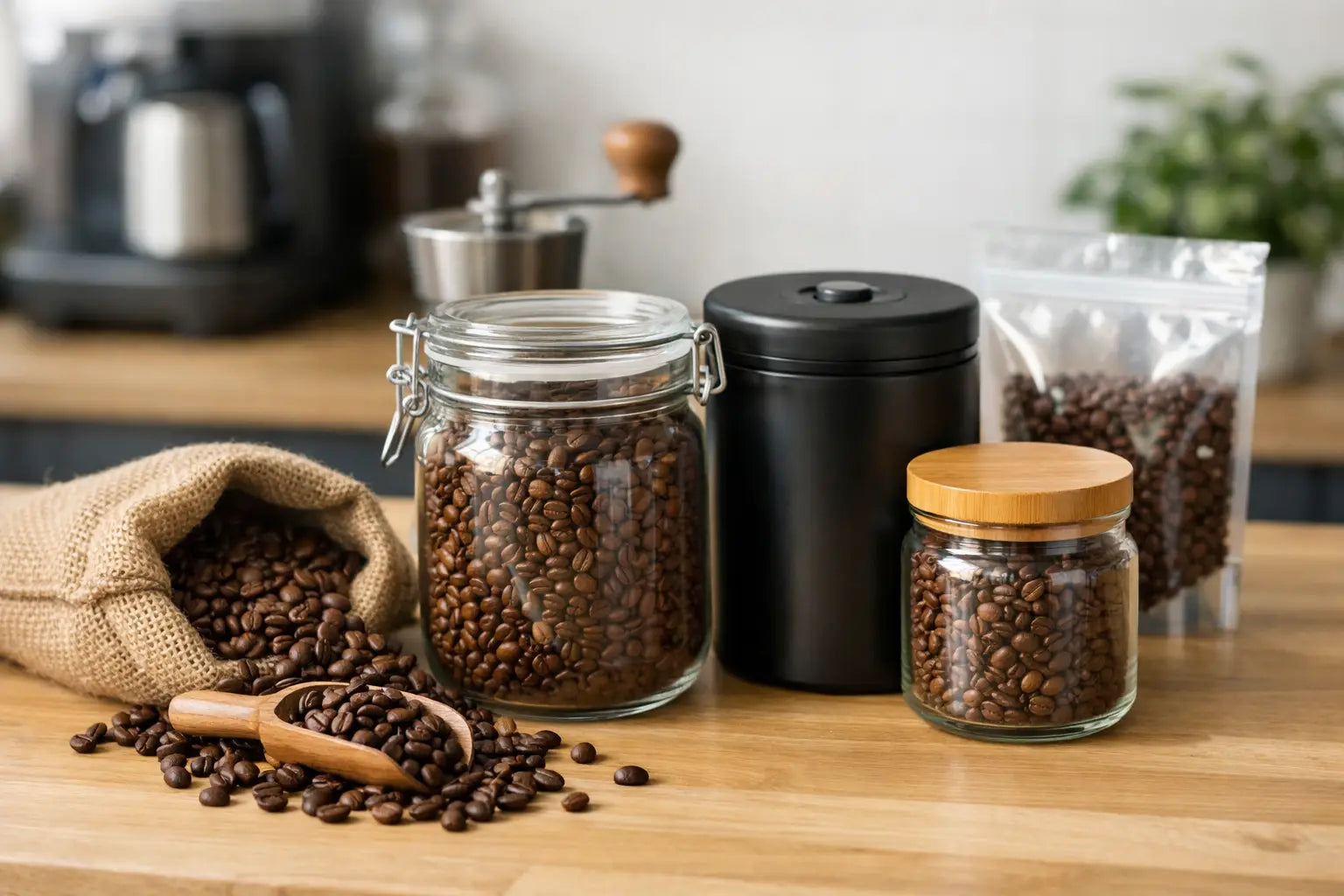
A fresh bag of coffee can change the whole mood of your morning. You open it, catch that first wave of aroma, and suddenly the kitchen feels a little warmer, a little more alive. If you have ever wondered how to store coffee beans so that first cup energy lasts beyond day one, the answer is simpler than most people think - but the details matter.
Specialty coffee is delicate. Those floral, chocolatey, citrusy, or caramel notes you love in a well-roasted single origin do not stay fixed forever. Coffee beans are constantly reacting to air, moisture, heat, and light. Good storage slows that process down. Bad storage speeds it up, leaving you with a flat, stale cup that tastes more like cardboard than comfort.
Why proper coffee bean storage matters
Coffee beans may look sturdy, but they are surprisingly vulnerable. Once roasted, they begin releasing gases and gradually losing the aromatic compounds that create complexity in the cup. That does not mean your coffee goes bad overnight. It means freshness is a moving target, and storage helps you protect it.
For home brewers, the biggest difference is flavor clarity. A properly stored coffee keeps more of its sweetness, structure, and origin character. A washed Ethiopian can stay bright and tea-like for longer. A balanced house blend can hold onto its cocoa and roasted nut notes instead of turning dull. If you are investing in premium coffee, storage is part of honoring the craft that went into it.
How to store coffee beans at home
The best setup is usually the least dramatic one. Store your beans in an airtight, opaque container at room temperature, then keep that container in a cool, dry cupboard away from sunlight, steam, and heat.
That one sentence covers most of what matters, but each part does a different job. Airtight storage reduces oxygen exposure, which is one of the main causes of staling. An opaque container blocks light, which can degrade flavor over time. Room temperature helps avoid condensation and temperature swings. A dry cupboard keeps moisture away, and that is critical because coffee absorbs surrounding humidity and odors more easily than many people realize.
If your coffee came in a high-quality resealable bag with a one-way valve, it may already offer decent short-term protection. For many households, especially if you go through a bag quickly, keeping beans in that original bag and placing it inside a cabinet is perfectly reasonable. If the bag does not seal well after opening, transferring the beans to a proper container is a better move.
The best container for storing coffee beans
The best container is one that closes tightly, blocks light, and is easy to open without leaving beans exposed for long. Stainless steel and ceramic containers tend to work well. Tinted glass can be acceptable if you keep it in a dark cabinet, but clear glass on the counter is usually not ideal, no matter how attractive it looks.
There is a trade-off here. Some coffee canisters are designed with vacuum features or air-release systems. These can be helpful, especially for people who buy high-end beans and want to preserve more nuance. But a simple, well-made airtight container is often enough for everyday home use. You do not need a lab-grade solution to keep coffee tasting good.
What matters more is consistency. Opening and closing one container a few times a day is fine. Scooping from a large container that sits near a sunny stove is not. If you buy coffee in bigger quantities, consider splitting it into smaller portions. Keep one portion for daily use and leave the rest sealed until needed.
Where not to keep your coffee
Countertops are convenient, but they are not always kind to coffee. If the container sits near a window, oven, dishwasher, or kettle, your beans are dealing with light, temperature shifts, and moisture all at once. That is a fast track to flavor loss.
The fridge is another common mistake. It sounds practical because refrigerators feel cool and protective, but coffee beans do not benefit from that environment. They can absorb odors from nearby foods, and frequent temperature changes create condensation risk when the container is taken in and out. Coffee is aromatic by nature, which also means it is absorbent.
Warm spots are especially tough on fresh beans. Above the stove, beside the toaster, or on top of the espresso machine might seem harmless, but repeated exposure to heat chips away at the cup quality. If you want your coffee to keep its sweetness and depth, a shaded cabinet beats a beautiful countertop display every time.
Should you freeze coffee beans?
Freezing can work, but only in specific situations. If you bought more coffee than you can finish within a few weeks, freezing part of it is often better than letting it sit out too long. The key is portioning.
Freeze beans in small, airtight portions that match how much coffee you will use over a short period. That way, you only thaw what you need and avoid repeatedly exposing the same beans to air and moisture. Once a portion comes out of the freezer, let it return to room temperature before opening the container. This helps prevent condensation from forming directly on the beans.
For your everyday supply, though, the freezer is usually unnecessary. If you are drinking through a bag within two to four weeks of opening, room-temperature storage in a good container is simpler and often just as effective. Freezing is a backup plan for surplus coffee, not the first choice for daily ritual.
How long do coffee beans stay fresh?
Freshness depends on the roast date, the roast style, the packaging, and how the coffee is stored after opening. In general, whole beans hold their quality better than ground coffee because less surface area is exposed to oxygen.
A good rule for home use is this: whole bean coffee is often at its best within a few weeks of opening and still enjoyable beyond that if stored well. Some coffees open up beautifully after a short rest from roasting, especially for espresso. Others are most vivid early on. Lighter roasts can sometimes retain complexity longer than darker roasts, but that is not a hard rule.
What matters most is paying attention. If the aroma fades dramatically, if the brewed cup tastes hollow, or if sweetness disappears and only bitterness remains, your beans are likely past their prime. They may still be drinkable. They just will not show the character the roaster intended.
Should you grind all your coffee at once?
Usually, no. If you want the best flavor, grind only what you need right before brewing. Once coffee is ground, staling accelerates quickly. You lose aromatic compounds faster, and the cup becomes less expressive.
There are exceptions. If convenience matters more than peak flavor, pre-grinding a day or two ahead can be workable, especially for busy mornings or office setups. But if you have invested in a quality bag of coffee, grinding fresh is one of the easiest ways to protect the tasting notes you paid for.
This is especially true for specialty coffees with distinct origin character. A fresh grind lets you taste more of the fruit, sugar-browning sweetness, and floral lift that make single origin coffees memorable.
Small habits that make a big difference
The quiet details matter here. Use dry scoops. Seal the container promptly. Keep beans away from steam. Buy amounts you can realistically finish while the coffee still tastes vibrant. If you brew one or two cups a day, a smaller bag is often the smarter choice.
That last point can feel counterintuitive. Bigger bags sometimes look like the better value, but if half the coffee loses its sparkle before you finish it, it is not really a better buy. Freshness is part of value. So is pleasure.
For many coffee lovers, the sweet spot is buying freshly roasted whole beans in quantities that fit their real routine. That approach gives you more consistent flavor and a better experience from first cup to last. It also makes storage easier because you are not trying to preserve too much coffee for too long.
The simple answer to how to store coffee beans
If you want the short version, here it is: keep whole beans in an airtight, opaque container, store them in a cool and dry cabinet, and buy only as much as you can enjoy while it still tastes fresh. Skip the fridge, be careful with heat and light, and freeze only what you will not use soon.
Coffee is one of those daily rituals where small choices shape the whole experience. The right storage will not turn average beans into extraordinary ones, but it will protect the work already inside the bag - the farm, the harvest, the roast, and the promise of a better cup at home. When you care for your beans well, every brew has a better chance to become one of those cherished moments that lingers a little longer than the last sip.