When to Grind Coffee Beans for Best Flavor
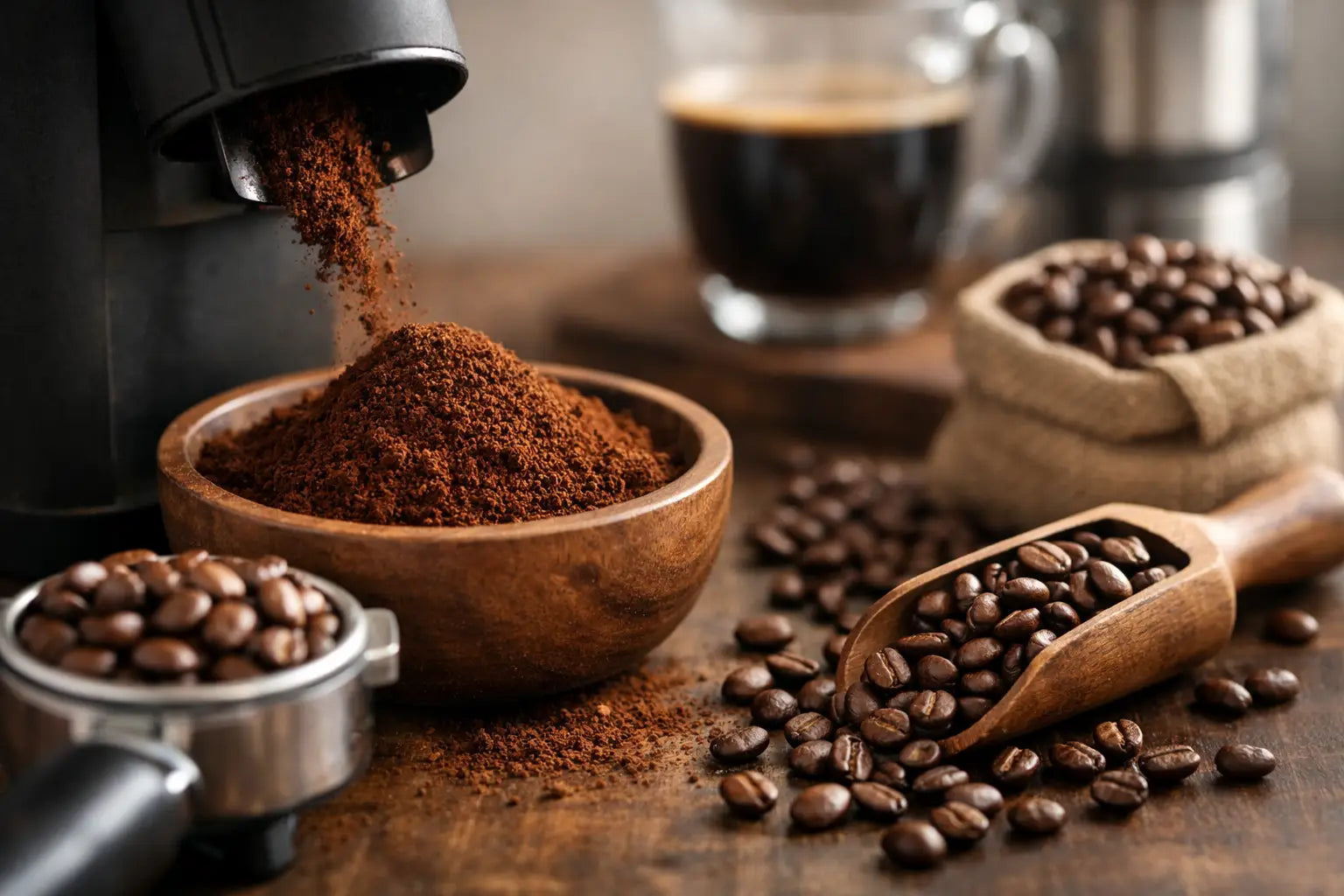
That first bloom of aroma when fresh grounds meet hot water is not a small detail - it is the moment your coffee starts telling the truth. If you have ever wondered when to grind coffee beans, the short answer is just before brewing. The better answer is that timing depends on how much flavor you want to keep, how you brew, and how much convenience you are willing to trade for a better cup.
When to grind coffee beans
Coffee is at its most expressive right after grinding. Once whole beans are broken apart, all the beautiful work done at origin, during roasting, and in your kitchen becomes more fragile. The sugars, acids, oils, and aromatic compounds that give coffee its sweetness and character are suddenly exposed to air. That exposure starts a countdown.
Whole beans stale slowly. Ground coffee stales fast. Not ruined in minutes, but noticeably flatter far sooner than most people expect. If you buy premium single origin coffee or a carefully balanced blend, grinding right before brewing is the easiest way to protect what you paid for.
For most home brewers, the sweet spot is within a few minutes of brewing. Measure your beans, grind them, and get them into the brewer without letting them sit around on the counter. If you do only one thing to improve your coffee at home, this is often the one that changes everything.
Why timing matters more than people think
Freshness is not just about roast date. Grind timing plays a major role in flavor clarity, aroma, and texture.
When coffee is ground, its surface area increases dramatically. More surface area means faster oxidation and faster loss of volatile aromas. Those aromas are often what make a cup feel vibrant and memorable - floral notes in an Ethiopian coffee, cocoa depth in a Latin American lot, or the caramel warmth of a comforting house blend.
This is why pre-ground coffee often tastes duller, even if the beans were excellent to begin with. The cup may still have body and caffeine, but it loses some of the sparkle. Bitterness can become more noticeable as sweetness and nuance fade.
There is also a practical side. Freshly ground coffee gives you more control. Different brewing methods need different grind sizes, and small changes in grind can fix a sour, weak, or overly bitter cup. You simply do not get that flexibility with a generic pre-ground bag.
How long before brewing can you grind coffee?
If flavor is your priority, grind immediately before brewing. That means seconds or a few minutes ahead, not hours. For someone making a slow morning pour-over, grinding first and then setting up the kettle is perfectly fine. Grinding before you shower and brewing 45 minutes later is a different story.
If your schedule is tight, grinding 10 to 15 minutes ahead is still much better than grinding days in advance. You will lose some aromatic intensity, but not nearly as much as you would from storing a container of grounds for a week.
The biggest drop happens over longer stretches. After a day or two, ground coffee is usually noticeably less lively. After a week, especially if stored poorly, much of the origin character can feel muted. That may be acceptable if convenience matters most, but it is not ideal for specialty coffee.
When to grind coffee beans for each brew method
Different brewing styles do not change the core rule, but they do shape how precise you need to be.
Espresso
Espresso is the least forgiving. Grind right before pulling the shot, ideally as part of your brewing routine. Because espresso uses pressure and a very fine grind, small changes in freshness and particle size affect flow rate and taste quickly. Coffee that sat ground for too long can pull faster, taste thinner, and lose the syrupy sweetness people want from a good shot.
Drip coffee
Automatic drip brewing is more flexible, but fresh grinding still matters. If you make a full pot in the morning, grinding just before brewing brings out more aroma and a cleaner finish. This is especially noticeable with washed single origin coffees, where brightness and delicate sweetness can disappear first.
Pour-over
Pour-over rewards attention. Since the method is already hands-on, it makes sense to grind right before you brew. Fresh grounds help with bloom, aroma, and flavor separation. If you enjoy tasting the difference between chocolate, stone fruit, citrus, or floral notes, this is where fresh grinding really shines.
French press
French press uses a coarse grind and full immersion, so it can hide staleness a little better than espresso or pour-over. Still, coffee tastes fuller and more fragrant when ground just before brewing. If you love a rich, comforting cup on slow mornings, fresh grinding adds that extra sense of warmth and depth.
Cold brew
Cold brew is the one area where people often bend the rule. Since it brews for many hours and emphasizes body over delicate aroma, you can grind a bit ahead of time if needed. Even here, grinding the same day is better than using coffee that was ground long ago.
Is it ever okay to grind in advance?
Yes - if you are realistic about the trade-off.
There are mornings when convenience matters. Maybe you are getting kids out the door, heading to work early, or setting up coffee for a team or event. In those cases, grinding the night before can be a reasonable compromise. The cup will still be drinkable, especially if the coffee is high quality to begin with and stored well overnight.
The key is to keep the sacrifice small. Grind only what you need, store it in a tightly sealed container, and keep it away from heat, light, moisture, and air. Do not grind a whole week’s worth unless your main goal is speed rather than flavor.
This is also where quality beans make a difference. Thoughtfully sourced, freshly roasted coffee starts with more character, so even when life gets busy, the cup has more to hold onto.
Storage matters after grinding
If you do grind ahead, storage becomes more important.
Use an airtight container with as little empty space as possible. Keep it in a cool, dark cabinet, not beside the stove or in direct sun. Avoid the refrigerator, where moisture and food odors can interfere with flavor. The freezer can work for long-term whole bean storage when done carefully, but it is not the best everyday solution for small amounts of ground coffee.
The same principle applies to whole beans too. Fresh roasting matters, but so does what happens once the bag is open. A great coffee can only create cherished moments in the cup if it is protected between brews.
Your grinder matters almost as much as your timing
Knowing when to grind coffee beans helps, but grinder quality affects what happens next. A blade grinder chops beans unevenly, creating both dust and larger chunks. That unevenness can make coffee taste bitter and sour at the same time.
A burr grinder gives you a more consistent particle size, which leads to better extraction and a more balanced cup. It also lets you adjust for your brew method. Fine for espresso, medium for drip, coarser for French press - each setting helps the water interact with the coffee the way it should.
If you are investing in premium beans, a burr grinder is one of the best upgrades you can make at home. It protects the craft behind the coffee and helps you taste more of its true character.
A simple routine for better coffee at home
A good coffee ritual does not need to be complicated. Keep whole beans in a sealed container, weigh or scoop what you need, grind right before brewing, and adjust grind size if the cup tastes off. That small rhythm can change your mornings.
It also brings a bit more intention to the everyday. Fresh grinding slows you down just enough to notice the aroma, the warmth, and the comfort of making something good with care. For many coffee lovers, that is part of the point.
If you are choosing specialty coffee for your home, you are already saying yes to better sourcing, better roasting, and better flavor. Grinding at the right moment is how you carry that quality all the way into the mug.
The best time to grind is not when it is most convenient in theory. It is when you are closest to brewing and able to protect the flavor you brought home - because the richest coffee moments start with freshness you can smell before the first sip.