Q Grade Coffee Meaning Explained
You have probably seen a coffee described as 84 points, 86.5 points, or simply labeled Q graded and wondered whether that number actually changes what ends up in your cup. That question gets to the heart of q grade coffee meaning. It is not marketing fluff when used correctly. It is a formal quality score tied to how a coffee is evaluated for aroma, flavor, sweetness, acidity, body, balance, and defects.
For anyone buying coffee for home, that score can be a helpful signal. It tells you the coffee has been assessed through a standardized tasting process rather than judged only by a catchy bag description. Still, a high score is not the whole story. Great coffee lives in the details - origin, roast style, freshness, and whether the flavor profile fits the way you love to brew and drink it.
What is q grade coffee meaning in simple terms?
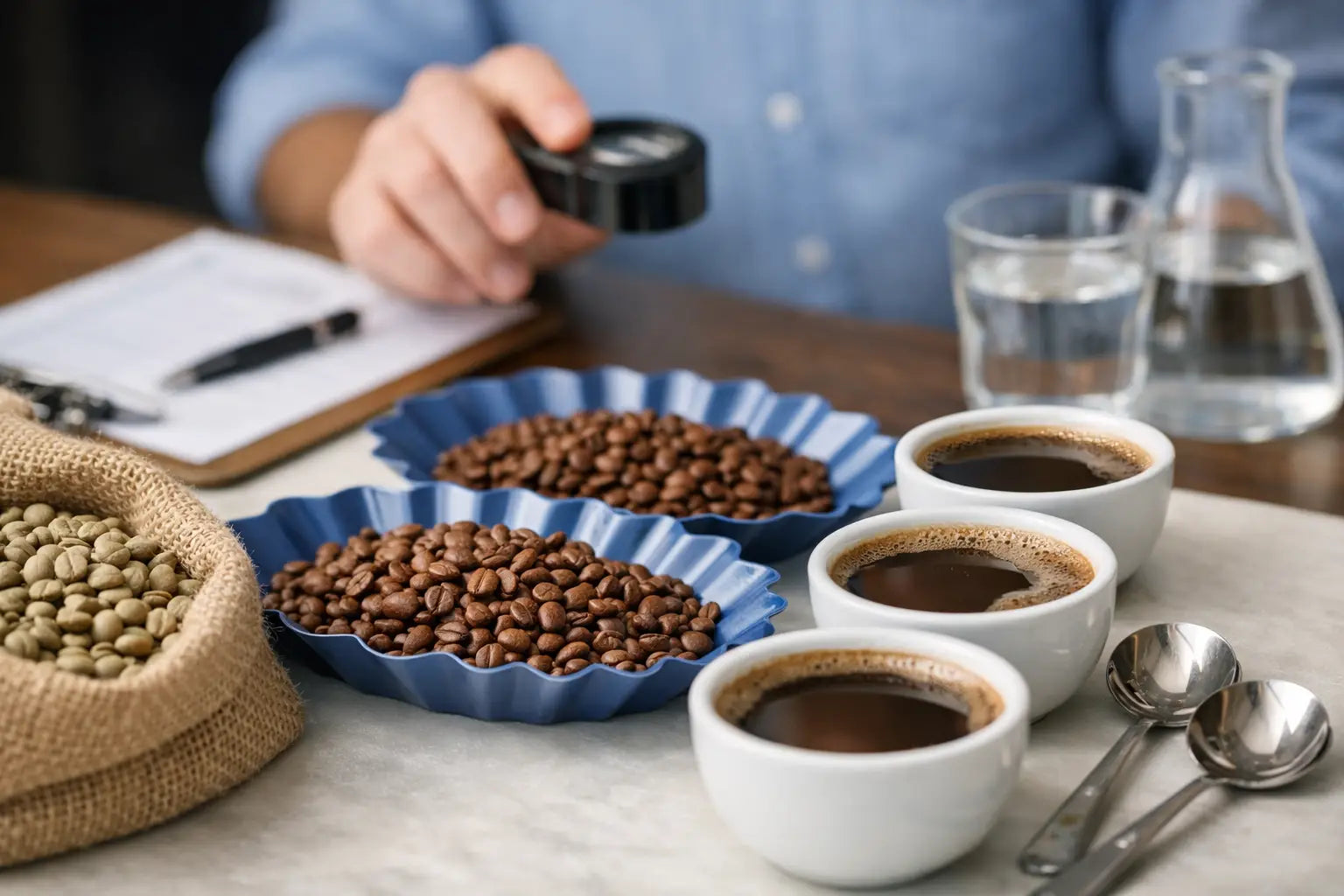
In simple terms, q grade coffee meaning refers to a coffee that has been professionally evaluated and scored under a recognized specialty coffee grading system. The grading is done by trained tasters, often called Q Graders, who assess green coffee through cupping protocols designed to measure quality consistently.
The score is usually given on a 100-point scale. Coffees that score 80 points or above are generally considered specialty coffee. That matters because specialty coffee is expected to be cleaner, sweeter, more expressive, and more distinctive than lower-grade commercial coffee.
Think of it as a quality benchmark, not a flavor guarantee. An 84-point coffee can be beautifully balanced and comforting, while an 88-point coffee might be more complex and floral. One is not automatically better for you if your favorite morning cup leans chocolatey, round, and easygoing.
How Q grading works
Q grading begins before anyone takes a sip. Green coffee is inspected for physical defects, consistency, and preparation quality. Then the coffee is roasted in a controlled way and cupped to evaluate sensory characteristics.
During cupping, tasters score attributes such as fragrance, aroma, flavor, aftertaste, acidity, body, balance, sweetness, uniformity, clean cup, and overall impression. They also note defects, because even one off note can change how a coffee performs in the cup.
This process matters because it creates a shared language. A coffee producer in Colombia, an importer in North America, and a roaster can all talk about the same lot using a comparable quality framework. That consistency supports better sourcing decisions and gives buyers more confidence in what they are purchasing.
What the score actually tells you
A Q score tells you that the coffee met a certain level of sensory quality at the green coffee stage. It can point to careful farming, thoughtful processing, strong sorting, and a lot that stood out during evaluation.
What it does not tell you is whether you will personally love it. A score reflects quality, not preference. If you enjoy rich, low-acid coffees with cocoa and toasted nut notes, an 84-point coffee from Brazil might suit you better than a 87-point washed Ethiopian full of jasmine and citrus.
It also does not tell you how the coffee was roasted. Roasting can either honor the coffee's strengths or flatten them. The same coffee lot can feel lively and elegant in one roastery's hands and muted in another's.
That is why Q grading is useful, but not enough on its own. The best buying decisions happen when score, origin, roast profile, tasting notes, and freshness all line up.
Why 80 points matters in specialty coffee
The 80-point line is significant because it separates commodity coffee from specialty coffee in common industry use. Once a coffee crosses that threshold, it is generally recognized as having the clarity, sweetness, and absence of major defects expected from specialty-grade lots.
From there, the score range gives you a rough sense of refinement. Coffees in the low 80s can be very enjoyable and approachable. Mid-80s coffees often show more structure or complexity. Upper-80s coffees may be especially vibrant, layered, or rare. But there is overlap, and score inflation can happen in some parts of the market, so context still matters.
For many everyday coffee drinkers, an 84 to 86 point coffee can be the sweet spot. It often delivers excellent flavor, dependable quality, and better value than chasing only the highest number on the shelf.
Q grade coffee meaning for everyday buyers
If you brew at home, Q grading helps cut through vague claims like premium, gourmet, or high quality. Those terms are used loosely. A Q score gives you a more grounded signal that the coffee was measured against recognized standards.
That can be especially helpful when shopping online, where you cannot smell the beans or ask for a sample pour. If a roaster shares that its single origin coffees are 84+ and pairs that with roast dates and tasting notes, you have a clearer picture of what you are buying.
For gift buyers, it also adds confidence. A coffee with a verified specialty-grade foundation feels more intentional than a generic bag with attractive packaging and no quality details.
For cafes, offices, and hospitality buyers, Q graded coffee can support consistency. It gives purchasing teams a better starting point when they want quality that guests will notice and remember.
What a Q score does not capture
There is a temptation to treat coffee scores like school grades, where a higher number always means a better result. Coffee does not work that way. The score does not capture how a coffee fits your brewing method, your milk drinks, or the mood you want from your daily ritual.
A washed, high-acid coffee with a score of 87 may shine as a pour over and feel less satisfying as espresso with milk. Meanwhile, a natural-processed coffee scoring 84 could taste plush, sweet, and deeply comforting in a morning cappuccino.
Scores also cannot fully express emotional value. The right coffee is not only the one with the most points. It is the one that turns a quiet kitchen into your favorite part of the day, the one you look forward to sharing after dinner, or the one that makes home feel warmer.
How to use Q grades when choosing coffee
Start with the score, but do not stop there. Look at origin, processing method, roast level, and tasting notes. A Q grade tells you the coffee cleared a meaningful quality bar. The flavor details tell you whether it belongs in your cart.
If you like classic, comforting cups, look for higher-scoring coffees with notes like chocolate, caramel, nuts, or stone fruit. If you enjoy lively and expressive coffee, try lots described with citrus, florals, berries, or tea-like texture.
Freshness is another piece people miss. A beautifully graded coffee still needs careful roasting and proper timing to taste its best. Buying from a roaster that focuses on small-batch freshness matters just as much as the number itself.
If you are comparing coffees with similar flavor notes, the Q score can be a useful tiebreaker. If one coffee is 84 and another is 86, the higher score may suggest more clarity or complexity. But if the 84-point coffee sounds more like your style, trust that instinct.
Why roasters talk about 84+ coffees
When a specialty roaster highlights coffees at 84+ points, they are usually signaling a clear sourcing standard. That benchmark says the coffee is not just decent - it has met a level of quality associated with specialty-grade expectations.
For customers, that creates reassurance. It suggests the roaster is selecting coffees with care before roast development even begins. For producers, it can support better recognition and pricing for lots that reflect hard work at origin.
At House Coffee, that kind of quality marker fits naturally with the promise of freshly roasted single origin Arabica meant to create cherished moments at home. The score is part of the story, but the goal is still the same: a cup that feels special from the first sip to the last.
Is Q graded coffee always worth more?
Often, yes, but not always in a way every buyer will notice equally. Higher-scoring coffees can cost more because they may come from better lots, more selective harvesting, improved processing, and stronger traceability. Those things take labor, skill, and care.
Still, value is personal. If you mostly brew large batch drip coffee and prefer mellow, familiar flavor, a modestly priced specialty coffee in the low-to-mid 80s may bring you more satisfaction than a rare, expensive micro-lot.
The best approach is to think of Q grading as a trust signal. It helps narrow your choices toward coffees with real quality behind them. Then your taste, brewing style, and budget decide the winner.
The next time you see a coffee listed with an 84+ score, you will know that number stands for more than prestige. It reflects trained evaluation, cleaner flavor, and the kind of care that can turn an ordinary cup into a small daily ritual worth savoring.