Build a Restaurant Coffee Program Guests Remember
A restaurant coffee program is often judged in one quiet moment: when a guest takes the first sip after a memorable meal and decides whether to linger, order dessert, or leave with the final taste of the experience already fading. Coffee may arrive at the end of the check, but it should never feel like an afterthought.
For restaurants, cafés, hotels, and hospitality teams, a better coffee offering can raise perceived quality, create opportunities for higher-margin sales, and give guests one more reason to come back. The goal is not to turn every dining room into a specialty coffee bar. It is to serve coffee that fits your concept, holds up through a busy service, and feels worthy of the care you put into the food.
Start Your Restaurant Coffee Program With the Guest Experience
Before choosing a machine or comparing wholesale pricing, decide what coffee needs to do for your business. A fast-casual lunch spot may need a dependable batch brew setup that keeps lines moving. A fine-dining restaurant may benefit from elegant French press service or a carefully dialed-in espresso that makes dessert feel more complete. A boutique hotel needs both speed at breakfast and a cup guests will remember after check-out.
The right answer depends on your service style, volume, staff capacity, and menu. Coffee should feel like a natural continuation of the room, not a separate concept pasted onto the end of it.
Think about the moments guests already have with you. Do they order cappuccinos with brunch? Do servers regularly hear, “Do you have decaf?” Are guests likely to take coffee to go after a meeting or family dinner? These details shape the program more than a trendy piece of equipment ever will.
A focused menu is usually stronger than an oversized one. Start with excellent regular coffee, a reliable decaf option, and espresso-based drinks if your team can execute them consistently. Add cold brew, seasonal lattes, or after-dinner coffee cocktails only when they genuinely suit the concept and can be made well during your busiest hour.
Quality Starts With Fresh, Specialty-Grade Coffee
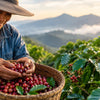
Great equipment cannot rescue stale or poorly sourced beans. Coffee is an agricultural product, and its flavor changes with origin, roast development, storage, grind, water, and time. Choosing freshly roasted specialty coffee gives your team a far better foundation.
Look for partners who can speak clearly about what they sell: where the coffee comes from, how it was sourced, when it was roasted, and how it is expected to taste. Single-origin coffees can offer a distinct sense of place, with notes that may lean chocolatey and nutty, bright and fruit-forward, or floral and tea-like. Carefully built blends can be the better restaurant choice when consistency across seasons is the priority.
Neither approach is automatically superior. A lively washed Ethiopian coffee might thrill a guest who drinks black coffee, yet it can be less forgiving in a high-volume espresso program than a balanced blend designed for milk. A medium or medium-dark roast with sweetness, body, and low bitterness often performs beautifully across drip coffee, espresso, and after-dinner service.
Specialty quality markers also matter. Coffee with Q-grade scores of 84 or higher has been evaluated against demanding standards for aroma, flavor, balance, and overall cup quality. Ethical, direct relationships with dedicated growers add another layer of value, giving your restaurant a story that is meaningful without becoming performative. Guests increasingly want to know that premium flavor and responsible sourcing can belong in the same cup.
House Coffee works with freshly roasted, small-batch specialty Arabica selections that can help hospitality teams bring that level of care to the table.
Build for Consistency, Not Just a Great Tasting
A coffee may taste beautiful during a supplier tasting and disappoint on a Saturday night if the program is not built for repeatability. Consistency is the real luxury in hospitality. Guests may not know the exact origin or processing method in the cup, but they notice when coffee is weak, scorched, lukewarm, or served without attention.
Match equipment to your actual demand. Batch brewers are efficient for dining rooms, breakfast service, and catered events where several guests order coffee at once. Espresso machines create a more elevated beverage menu but require training, daily cleaning, grinder adjustments, and a staff member who has time to use them properly. Superautomatic machines can make sense in hotels, offices, or high-volume settings where speed matters most, though they offer less hands-on control.
The grinder deserves as much consideration as the brewer. Grinding coffee just before brewing protects aroma and sweetness. A poor grinder creates uneven particles, which can lead to a cup that tastes both sour and bitter. If espresso is central to your menu, use a dedicated espresso grinder and expect to adjust it as humidity, bean age, and service conditions change.
Water is another variable that quietly affects every cup. Water that is overly hard can damage equipment and mute flavor. Water that is too soft can leave coffee flat. Appropriate filtration protects your investment while helping the coffee taste the way the roaster intended.
Give Staff a Simple Standard They Can Own
Your team does not need a lecture on every coffee-growing region. They need clear habits, practical language, and enough confidence to care about the result. The best training is brief, repeatable, and connected to the guest experience.
Show staff what properly brewed coffee should taste and smell like. Explain why a fresh pot matters, why brew baskets need cleaning, and why leaving coffee on a hot plate too long changes it from comforting to bitter. Give servers a few natural phrases they can use, such as describing the house coffee as freshly roasted, smooth, and selected to pair well with the menu.
Create written standards for opening, mid-service, and closing. Those standards should cover grinder calibration, brew ratios, holding times, milk handling, cleaning, and when coffee must be remade. If a rule is difficult to follow in a real rush, simplify it. A standard that happens every day is more valuable than an impressive one that lives only in a binder.
Taste the coffee regularly. Managers and lead staff should sample it at the beginning of service and whenever a new batch is brewed. This small ritual catches problems early and reinforces that coffee deserves the same attention as soup, wine, or pastry.
Price Coffee Like a Hospitality Offering
Restaurant operators can be tempted to treat coffee as a low-cost commodity, then wonder why it brings little revenue or enthusiasm. A thoughtfully priced program can support healthier margins while giving guests an experience they are happy to pay for.
Begin with the full cost, not only the bean price. Include coffee, milk, filters, cups, lids, syrups, labor, water filtration, cleaning supplies, equipment maintenance, and waste. Then consider the role each drink plays. A simple drip coffee might be an approachable finish to a meal. A well-made latte, cold brew, or espresso can carry a higher price because it uses more labor, milk, and equipment capacity.
Pairing can lift the entire check without feeling forced. Train servers to offer coffee alongside dessert rather than asking as a final, rushed question. A dark, chocolate-forward coffee can complement cake or tiramisu. A brighter, lighter-bodied selection may work beautifully with fruit desserts. Decaf should receive the same respect as regular coffee, especially for dinner guests who want a warm ritual without a late-night jolt.
Do not overcomplicate the language. “Freshly roasted coffee with notes of cocoa and caramel” is inviting. A long technical description at the table may not be. Save deeper origin details for guests who are genuinely curious.
Refresh the Program as Your Menu Changes
A restaurant coffee program should have a stable core, but it should not stand still. Review sales, waste, guest comments, and staff feedback every few months. If cold brew barely moves in winter, reduce production. If espresso drinks sell out every brunch, examine whether a second grinder or a more efficient bar setup would pay for itself.
Seasonal offerings can create interest when they remain true to your brand. A house-made vanilla spice latte, a maple cold foam, or an espresso affogato can feel special without burying good coffee under excessive sweetness. The best seasonal drinks still let the roast's character come through.
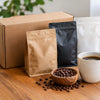
There is also room for coffee beyond the cup. Retail bags near the host stand, coffee gift bundles during the holidays, or a signature blend served at private events can extend the memory of a meal into a guest’s home. That is where coffee becomes more than a final course. It becomes a small, familiar ritual that brings people back to the table, even after they have left the restaurant.
Treat each cup as a closing gesture of care. When it is fresh, balanced, and served with warmth, coffee gives guests one more reason to remember how your place made them feel.