What Makes Specialty Coffee Worth the Cup?
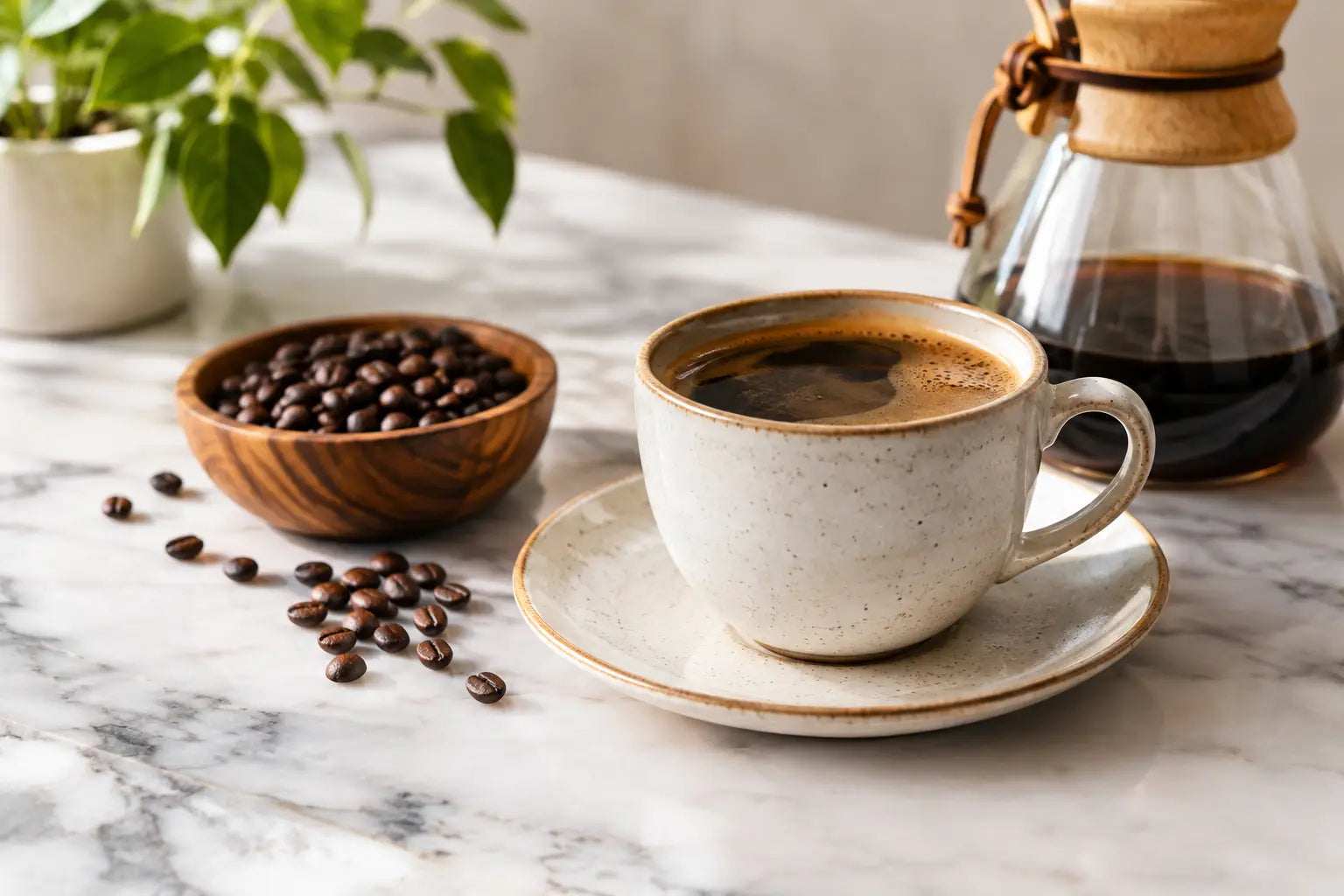
That first aroma when you open a freshly roasted bag can change the whole pace of a morning. Specialty coffee is made for that moment: a cup with a clear sense of place, careful craftsmanship behind it, and enough flavor to make an everyday ritual feel a little more cherished.
It is not simply coffee with a premium label or a darker, bolder taste. It is a quality category shaped at every stage, from the farm and harvest through processing, roasting, packaging, and the way you brew it at home. Once you know what to look for, choosing coffee becomes less about guessing and more about finding the flavors and rituals that feel right for your table.
What Is Specialty Coffee?
Specialty coffee refers to coffee that earns high marks for quality through professional evaluation. Green coffee is assessed by trained tasters, often called Q graders, who examine qualities such as fragrance, flavor, sweetness, acidity, body, balance, and the absence of defects. A score of 80 or higher is generally considered specialty grade, while coffees scoring 84+ represent an especially impressive standard of care and cup quality.
The score matters, but it is only part of the story. A memorable coffee begins with healthy, ripe coffee cherries, usually selected with more care than commodity-grade coffee. Farmers and producers make intentional decisions about harvesting and processing, then the coffee is stored and transported to protect its character. Roasters build on that work rather than covering it up.
That is why a well-made cup may taste like more than “coffee.” Depending on its origin and roast profile, you may notice notes of cocoa, caramel, stone fruit, berries, citrus, florals, toasted nuts, or brown sugar. These are natural flavor impressions created by the bean, its growing conditions, and thoughtful roasting. They are not usually syrups or artificial additions.
Why single origin matters
Single origin coffee comes from one country, region, farm, cooperative, or lot. The more specific the sourcing information, the more clearly you can understand what is in your cup. A washed Ethiopian coffee might bring bright citrus and delicate floral notes, while a Colombian coffee may lean toward caramel sweetness and red fruit. A Brazilian coffee can offer a comforting profile of chocolate, nuts, and mellow body.
Single origin is not automatically better than a blend. It simply offers a distinct expression of place. For coffee drinkers who enjoy comparing flavors or dialing in a pour-over, it can be a rewarding way to taste how altitude, variety, soil, and processing shape a bean.
Blends have their own purpose. A skilled roaster can combine coffees to create balance, consistency, and a satisfying espresso profile. If you want a dependable coffee for busy weekday mornings, milk drinks, or a household with different preferences, a blend may be the better fit. Quality is not about chasing one format. It is about choosing coffee that has been selected and roasted with intention.
Why Specialty Coffee Tastes Different
Coffee is an agricultural product, which means it has a harvest date, a season, and natural variation. Specialty producers work to preserve the best qualities of each crop instead of treating every bean as interchangeable. That attention shows up in the cup as clarity, sweetness, and complexity.
Fresh roasting is equally important. Coffee needs time to rest after roasting, but it does not stay at its peak forever. In the first few weeks, the coffee’s aromatics and flavors are typically at their most expressive. Coffee that has spent months on a warehouse shelf may still make a functional cup, yet much of its liveliness can be gone.
At House Coffee, small-batch roasting in Canada is part of protecting that fresh, comforting experience. Coffee is roasted with the goal of honoring its origin while giving home brewers a cup that feels approachable, not intimidating.
Roast level also deserves a little nuance. Light roasts often preserve more origin character and can highlight fruit, florals, and sparkling acidity. Medium roasts tend to bring balance, sweetness, and versatility. Darker roasts can offer a fuller body and familiar notes of chocolate or roast, especially appealing in espresso and milk-based drinks. A dark roast is not inherently lower quality, and a light roast is not inherently more refined. The best choice depends on your brewing method and the flavors you want to return to each morning.
Ethical Sourcing Is Part of Quality
A beautiful cup does not begin at the roastery. It begins with people who grow, pick, sort, and process coffee under conditions that can be demanding and unpredictable. Ethical sourcing means seeking relationships and supply practices that recognize the work behind the bean and encourage long-term care for both quality and communities.
Direct relationships, transparent sourcing details, and responsible purchasing practices can help create a stronger connection between farmers and coffee drinkers. They also give buyers more confidence that quality claims have substance. No sourcing model is perfect, and meaningful change requires more than a few words on a bag. Still, asking where coffee comes from and how it was purchased is a worthwhile part of buying better coffee.
When you choose carefully sourced coffee, you are not only choosing flavor. You are supporting a chain of craft that reaches far beyond your kitchen counter.
How to Choose Coffee for Your Home Ritual
Start with how you actually drink coffee, not with the most technical tasting notes on the label. If you make espresso with milk, look for coffees with enough sweetness and body to stand up to dairy or oat milk. Chocolate, caramel, and nutty profiles often work beautifully. For black coffee, a single origin with fruit, floral, or tea-like notes may give you more detail to enjoy.
Your brewer matters too. A French press favors fuller-bodied coffees and can make richer roasts feel especially comforting. Drip machines are flexible and forgiving, particularly with medium roasts. Pour-over brewing can highlight clarity and delicate flavors, while espresso rewards precise grinding and offers a concentrated, syrupy cup when dialed in well.
Whole beans are the best choice when possible. Grinding immediately before brewing preserves aroma and gives you control over extraction. Use a coarser grind for French press, a medium grind for drip, and a finer grind for espresso. If your coffee tastes sour or thin, try a finer grind or a longer brew time. If it tastes harsh, dry, or overly bitter, try a coarser grind or a shorter brew time.
Water is the quiet ingredient that makes a noticeable difference. Filtered water often helps coffee taste cleaner, especially if your tap water has a strong mineral or chlorine flavor. Aim for water just off the boil for most brewing methods, and use enough coffee. A practical starting point is about 1 gram of coffee for every 16 grams of water, then adjust until the cup tastes like yours.
Keep Freshness Working for You
Buy coffee in quantities you can enjoy within a few weeks of opening. Store it in a cool, dry cabinet in its sealed bag or an airtight container, away from sunlight, heat, and strong odors. The refrigerator is usually not ideal because coffee can absorb odors and encounter moisture when moved in and out.
Freezing can work for larger unopened portions if you package them tightly and avoid repeated thawing. For most households, though, a simple routine works best: order fresh coffee regularly, keep one bag in use, and choose the next bag before the first one is gone.
That small habit turns coffee from an afterthought into a ritual worth anticipating. Set aside a few extra minutes to smell the grounds, warm your favorite mug, and share a pot when someone is nearby. The best specialty coffee is not reserved for a special occasion. It gives an ordinary morning the warmth of one.