What Does Microlot Coffee Mean for Flavor?
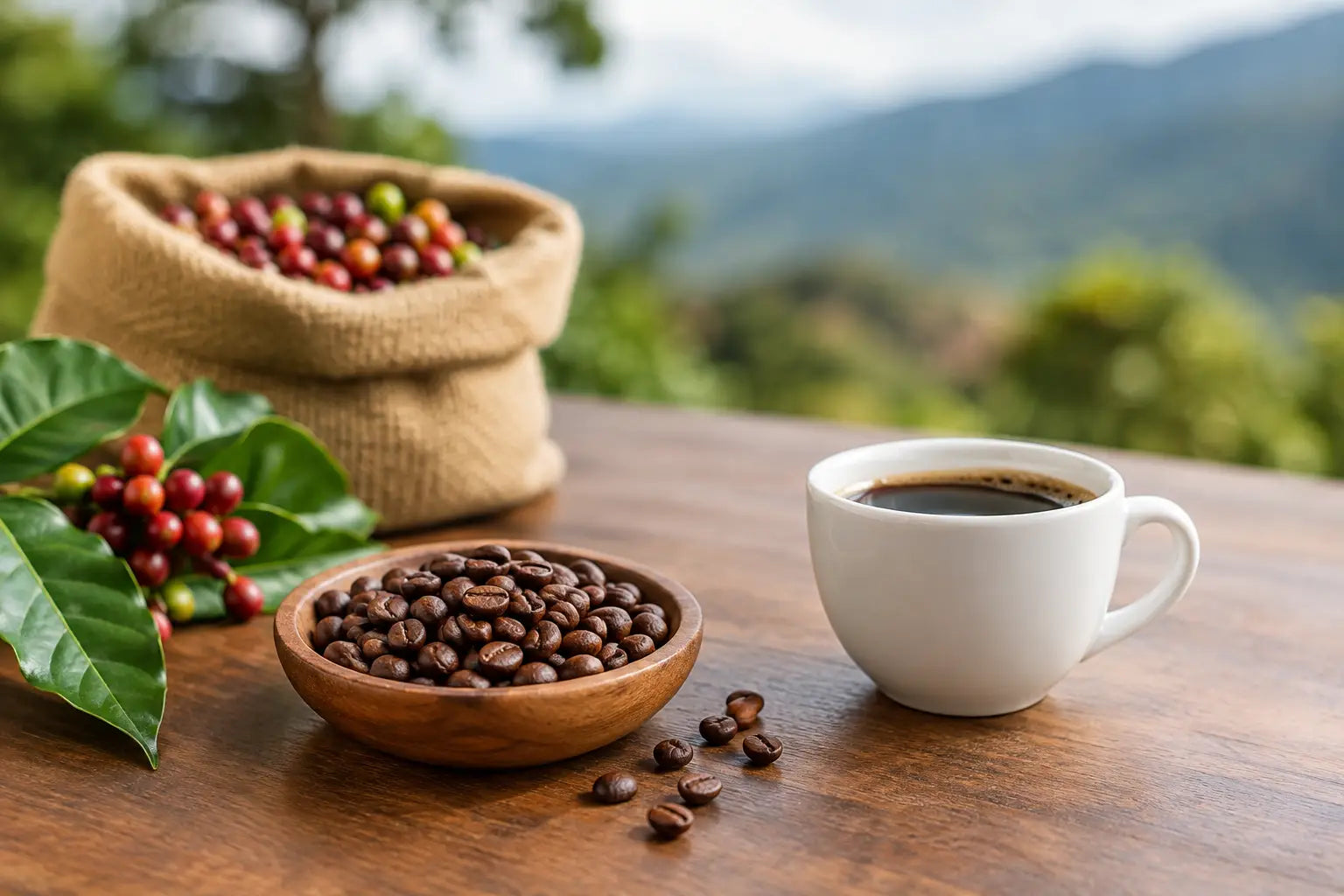
A bag marked microlot promises more than an attractive origin story. It can offer the feeling of tasting one carefully preserved moment from a farm: cherries ripening under a particular stretch of sun, picked from a specific hillside, processed with close attention, and roasted to let that work speak. So, what does microlot coffee mean when you are choosing beans for your kitchen? It means the coffee comes from a small, identifiable lot selected for its distinct quality, character, or both.
For home brewers who care about freshness, flavor, and the people behind their coffee, microlots make the daily ritual more personal. They are not automatically better than every other coffee, but the best ones bring clarity to the cup and a deeper connection to place.
What Does Microlot Coffee Mean?
A microlot is a limited quantity of coffee kept separate from a larger harvest because it has a notable identity. That identity may come from one small farm, a single plot within a farm, a particular variety, one day of picking, or a carefully managed processing batch.
There is no universal industry rule that sets an exact weight or acreage for a microlot. One producer may call coffee from a few acres a microlot, while another may separate only a few bags from one exceptional section of land. The meaningful part is not a magic number. It is the intentional separation and traceability.
Instead of blending this coffee into a broader regional offering, the producer and buyer preserve its individual character. That makes it possible to describe more precisely where it came from and why it tastes the way it does. You might see details such as an estate name, community, elevation, variety, processing method, and harvest season on the bag.
A microlot can be single origin, but the terms are not interchangeable. Single origin generally tells you the coffee comes from one named geographic source, which could be a country, region, cooperative, or farm. A microlot is typically more specific and smaller in scale. Think of single origin as the address and microlot as a particular room in the house.
Why Microlots Taste So Distinctive
Coffee flavor begins long before roasting. Soil composition, elevation, rainfall, shade, temperature swings, plant variety, and harvest timing all influence the fruit. When growers keep a small lot separate, those conditions are less likely to be averaged out by coffees from other areas or processing batches.
That is why a well-sourced microlot may taste unusually vivid. A washed Ethiopian lot might show jasmine-like aromatics, lemon candy brightness, and tea-like texture. A naturally processed coffee from a carefully managed plot could bring ripe berry sweetness and a silky, fruit-forward finish. A high-elevation Colombian microlot may lean toward red apple, caramel, and cocoa, with a clean sweetness that stays present as the cup cools.
These are tasting notes, not added flavors. They are a useful way to describe the impressions created by the coffee's natural compounds and the way it was grown, processed, and roasted. Your own palate may find peach where someone else finds apricot. The larger point is that microlot coffees often make those distinctions easier to notice.
This precision is especially rewarding for pour-over, drip, and other filter methods that highlight aroma and acidity. Espresso can be beautiful too, although a bright, delicate microlot may require more dialing in than a traditional, chocolate-forward espresso blend. If you enjoy experimenting with grind size, water temperature, and recipe ratios, a microlot gives you plenty to explore.
How a Coffee Becomes a Microlot
The journey usually starts with selective harvesting. Ripe coffee cherries are picked and sorted so underripe or overripe fruit does not muddy the final flavor. At the processing station, the lot may be handled independently through washed, natural, honey, or experimental processing methods.
After drying and resting, the coffee is milled, graded, and cupped. Cupping is the standardized tasting process coffee professionals use to evaluate fragrance, aroma, flavor, sweetness, acidity, body, and finish. If a small lot stands out for its quality or distinct profile, it may be offered separately rather than combined with the main harvest.
At House Coffee, this kind of sourcing matters because specialty coffee is about respecting the work behind every cup. A high-quality microlot is not simply rare for rarity's sake. It reflects careful decisions at each stage, from grower to roaster, that help the coffee arrive at your home with its identity intact.
Does Microlot Always Mean Higher Quality?
Often, but not automatically. Many microlots are premium coffees because separating, processing, storing, and exporting small quantities takes extra care. They are frequently selected through rigorous tasting, and the most exceptional lots may earn high specialty evaluations. Yet microlot itself is not a guaranteed quality score.
Look beyond the word on the label. A trustworthy offering should tell you something meaningful about its source and flavor. Details such as country, region or farm, process, variety, altitude, roast level, and tasting notes help you understand what you are buying. A Q-grade score of 84 or above is another helpful signal that the coffee meets a strong specialty standard.
There is also a trade-off. Microlots are limited by nature. Once a harvest sells through, the exact coffee may not return next season, even from the same farm. Weather, plant health, processing choices, and the character of each crop can change from year to year. That limited availability can make a favorite cup feel special, but it can also mean you cannot count on it as your forever coffee.
Why Microlot Coffee Costs More
The price reflects more than a small-batch label. Producing a great microlot can involve selective handpicking, separate fermentation or drying space, additional sorting, careful storage, detailed recordkeeping, and a smaller export volume. Farmers and producers who create these coffees are investing labor and expertise into quality that can be traced.
Roasters also have less room to spread costs across a huge volume of beans. They must roast with precision, since an expressive coffee can lose its best qualities if pushed too dark or developed unevenly. Fresh roasting matters here: the lively aromatics and layered sweetness that make a microlot memorable are most rewarding when the coffee is brewed within a fresh window.
That does not mean microlots need to replace your everyday coffee. A dependable blend or approachable single origin can be the perfect choice for weekday mornings, automatic brewers, or milk-based drinks. Consider a microlot when you want to slow down, taste more closely, share something special, or give a coffee lover a gift with a real sense of place.
How to Brew a Microlot at Home
Start simply, then adjust with intention. Use filtered water, weigh your coffee and water when possible, and grind just before brewing. Because microlots often have delicate sweetness and nuanced acidity, stale beans or an inconsistent grind can hide what makes them special.
For filter coffee, begin with a medium grind and a balanced ratio around 1 gram of coffee to 16 grams of water. If the cup tastes sour, thin, or sharply underdeveloped, grind a little finer or use slightly hotter water. If it tastes bitter, dry, or muddled, try a coarser grind or a shorter brew time. Let the coffee cool for a few minutes before judging it. Many of the most interesting notes appear after the first hot sip.
With espresso, expect to make a few adjustments. Start with a recipe that suits your machine, then taste for sweetness and balance rather than chasing a number alone. Some fruit-forward microlots shine as a bright straight shot; others become more rounded with a slightly longer ratio. A little curiosity is part of the experience.
Choosing a Microlot You Will Love
Choose by flavor preference, not just scarcity. If you enjoy classic comfort in your cup, look for notes like chocolate, brown sugar, roasted almond, caramel, or stone fruit. If you want something more adventurous, try coffees described with florals, berries, tropical fruit, citrus, or tea-like qualities.
Processing is another useful clue. Washed coffees often feel crisp, clean, and structured. Natural coffees are commonly sweeter, heavier, and more fruit-driven. Honey-processed coffees can sit pleasantly between the two, balancing clarity with round sweetness. These are tendencies, not rules, because the producer's craft matters as much as the process name.
A microlot is an invitation to pay attention. Brew it for a quiet morning, bring it out when friends visit, or make it the coffee you share after a good meal. The best cup does more than taste exceptional. It gives an ordinary moment at home a little more warmth, curiosity, and meaning.