How to Brew Better Drip Coffee Every Morning
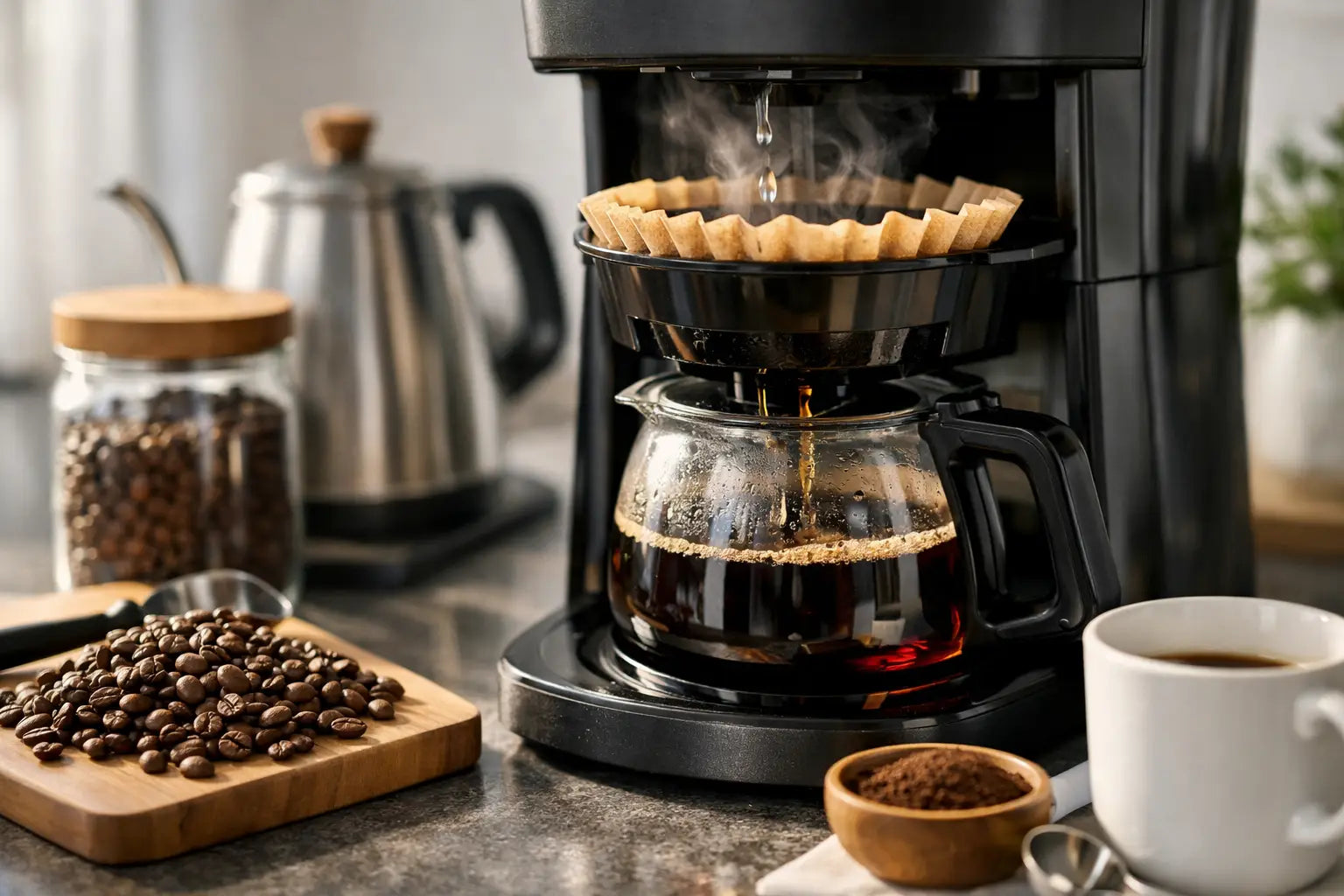
That first pot of the morning has a job to do: fill the kitchen with a welcoming aroma, bring a little calm to the routine, and taste as good as the coffee you would gladly order at a cafe. Learning how to brew better drip coffee is less about buying complicated gear and more about giving a few essential details the attention they deserve.
A dependable drip brewer can make a genuinely beautiful cup. Start with specialty-grade coffee that has been freshly roasted, use clean water, and match your grind and dose to your machine. Small adjustments can reveal the sweetness, clarity, and comforting depth your beans were roasted to offer.
How to brew better drip coffee starts before the brewer
The brewer matters, but coffee quality sets the ceiling. Beans that have spent months on a grocery shelf cannot offer the same vivid flavor as freshly roasted coffee, no matter how precise your recipe is. Look for a roast date rather than relying only on a best-by date, and buy an amount you can comfortably finish within a few weeks of opening.
Single origin coffees can be especially rewarding in a drip machine because their character comes through clearly. A washed Colombian coffee may bring caramel sweetness and a balanced, nutty finish. An Ethiopian coffee may taste floral, citrusy, or tea-like. A carefully developed blend can be the better choice when you want a familiar, rounded cup that tastes wonderful with breakfast or a splash of milk.
Keep whole beans in an airtight container, away from sunlight, heat, and moisture. The counter beside the stove is convenient, but it is not ideal. Avoid the refrigerator too, where coffee can absorb odors and encounter condensation. Freshness is not a fussy detail. It is the foundation of the aroma that makes coffee feel like home.
Get the coffee-to-water ratio right
Most weak or harsh drip coffee comes down to an uneven ratio. Too little coffee creates a thin cup that can taste watery and sour. Too much coffee can produce a dense, bitter brew, though the result also depends on grind size and the machine's brew temperature.
A welcoming starting point is 1 gram of coffee for every 16 grams of water. For a standard 10-cup brewer, which often means about 50 ounces on the carafe markings, use roughly 90 grams of coffee with 1,440 grams of water. If measuring in kitchen terms, that is about 12 to 13 level tablespoons of ground coffee for 6 cups of water, depending on the scoop and bean density.
A small digital scale makes this much easier and more repeatable. It also lets you make changes with purpose. Want a fuller cup? Move toward a 1:15 ratio. Prefer something lighter and more delicate? Try 1:17. Change one thing at a time, then taste. Your favorite coffee deserves more than guesswork.
Grind just before brewing
For most automatic drip machines, aim for a medium grind, similar to coarse sand. The particles should be reasonably uniform, not a mix of powder and large chunks. A burr grinder is one of the most meaningful upgrades a home coffee drinker can make because it produces a more even grind than a blade grinder.
Grind size determines how quickly water draws flavor from the coffee. If the finished cup is sharp, sour, or oddly thin, make the grind a little finer. If it tastes bitter, dry, or heavily astringent, make it a little coarser. The goal is balanced extraction: sweetness up front, pleasant acidity for lift, and a clean finish.
There is a trade-off worth remembering. A very fine grind may make coffee taste stronger, but it can also slow the flow of water and pull out woody, bitter notes. A very coarse grind can taste clean, yet leave the cup underdeveloped. Give each adjustment two or three brews before deciding, especially if you are changing coffees at the same time.
Use water that lets the coffee speak
Coffee is mostly water, so water with an unpleasant taste will show up in the cup. If you would not enjoy drinking your tap water plain, filter it before brewing. Clean, fresh water often makes more difference than people expect, especially with nuanced, high-quality Arabica coffees.
Distilled water is not the answer for everyday brewing. Coffee needs a modest amount of dissolved minerals to extract well and taste balanced. Filtered tap water is often excellent. If your water is exceptionally hard, a filtration pitcher or a filter designed for your brewer can reduce the mineral buildup that affects both flavor and machine performance.
Fill the reservoir with cold water each time. Warm water from the tap can pick up flavors from household pipes and gives you less control over the brewing process.
Give your machine a better brewing environment
Even exceptional beans cannot overcome old coffee oils, mineral scale, or a stale paper-filter taste. Wash the carafe, basket, and removable parts regularly with warm, soapy water. Run a proper descaling cycle according to your brewer's instructions when mineral buildup appears, or every few months if you use it daily.
Paper filters are simple and reliable, but rinse them with hot water before adding grounds when possible. This removes any papery aroma and preheats the brew basket and carafe. If you use a reusable metal filter, expect a cup with more body and more aromatic oils. Paper filters generally create a cleaner, brighter cup, while metal filters produce a richer texture. Neither is automatically better - it depends on the coffee and the experience you enjoy.
Preheating the carafe also helps. Cold glass can pull heat from freshly brewed coffee quickly, muting sweetness before the first pour. A quick rinse with hot water is enough.
Let the coffee bloom, even in a drip brewer
Freshly roasted coffee releases carbon dioxide when it meets hot water. This early release is called the bloom, and allowing it to happen helps water reach the grounds more evenly. Some premium drip brewers have a bloom or pre-infusion setting. Use it when available.
If your brewer does not offer one, you can still improve the result. Add the grounds to the filter, then pour just enough hot water over them to wet them evenly. Wait about 30 to 45 seconds before starting the machine. This works best if your brewer allows you to pause before the full brew cycle begins.
You may see the coffee bed puff up and release a warm, toasted fragrance. That is a good sign, particularly with fresh beans. Older coffee may bloom less dramatically, which is one more reason roast freshness matters.
Brew hot, then serve promptly
Coffee extracts best when water reaches roughly 195 to 205 degrees Fahrenheit. Many well-designed automatic brewers handle this for you, while less capable machines may run too cool and leave a sour, muted cup. If your coffee consistently tastes underextracted despite a good ratio and a slightly finer grind, brew temperature may be the issue.
Once the cycle finishes, gently swirl the carafe before pouring. This mixes the stronger coffee that settles lower in the carafe with the lighter coffee near the top, creating a more consistent cup. Then enjoy it soon after brewing.
The warming plate is useful for a few minutes, but prolonged heat can cook coffee and make it taste flat or bitter. For a slower morning, transfer the coffee to a preheated thermal carafe. You will preserve more of the sweetness and aroma that made the brew special in the first place.
A simple recipe to make your own
For an easy daily starting point, use 30 grams of medium-ground coffee and 480 grams of filtered water, which makes about two satisfying mugs. Rinse the filter, add the grounds, and level the bed with a gentle shake. If possible, bloom the grounds for 30 to 45 seconds, then let the brewer complete its cycle.
Taste before adding cream, sugar, or flavored syrup. A well-brewed specialty coffee should offer enough sweetness and balance to stand on its own, even if you still prefer it with milk. If it tastes too intense, add a small amount of hot water after brewing rather than changing everything at once. If it feels weak, use a little more coffee on the next pot.
At House Coffee, we believe the best coffee rituals are not reserved for rare occasions. They are built in the quiet minutes before work, at the table with someone you love, or during an unhurried weekend morning. Give your beans fresh water, a thoughtful grind, and a little consistency, then let the cup create a moment worth lingering over.