Expert Guide to Choosing Single Origin Beans for Home

Choosing the perfect cup starts long before you take the first sip, especially for coffee enthusiasts who value ethically sourced, single-origin Arabica beans. With so many variables from origin to processing, navigating the world of specialty coffee can feel overwhelming. This guide offers expert insights on discovering your flavor preferences, evaluating bean quality, and supporting producers committed to transparency, helping you brew coffee that aligns with both your palate and your principles.
Table of Contents
- Step 1: Assess Your Brewing Preferences
- Step 2: Research Origin Profiles and Ethics
- Step 3: Compare Bean Quality and Processing
- Step 4: Select Packaging and Freshness Options
- Step 5: Verify Authenticity and Sourcing
Quick Summary
| Key Insight | Explanation |
|---|---|
| 1. Assess Your Brewing Preferences | Identify your taste preferences and preferred brewing methods to enhance your coffee experience. Understand variables like flavor profile and extraction techniques. |
| 2. Research Origin Profiles and Ethics | Learn about geographical and ethical factors influencing your coffee to support sustainable practices and high-quality beans. Consider worker compensation and environmental impacts. |
| 3. Compare Bean Quality and Processing | Evaluate processing methods like washed, natural, and honey to understand their effects on taste and aroma. Select beans that match your flavor preferences. |
| 4. Select Packaging and Freshness Options | Choose high-quality packaging materials to preserve freshness and flavor of coffee beans. Consider storage recommendations like opaque containers. |
| 5. Verify Authenticity and Sourcing | Use techniques like origin certificates and scientific testing to confirm the authenticity of your coffee and ensure ethical sourcing. Connect with suppliers for detailed provenance. |
Step 1: Assess Your Brewing Preferences
Understanding your personal brewing preferences is crucial in selecting the perfect single origin beans for home brewing. This step involves exploring your unique taste profile and preferred brewing techniques to create an exceptional coffee experience.
To effectively assess your brewing preferences, begin by analyzing several key variables. Research from coffee experts reveals that consumer preferences encompass multiple sensory factors including brewing temperature, grind size, extraction time, and overall flavor complexity. Consider the following aspects:
-
Flavor Profile Preferences
- Do you enjoy bright, acidic coffees?
- Are you drawn to rich, full-bodied brews?
- Do you prefer subtle or intense flavor notes?
-
Brewing Method Considerations
- Drip coffee maker
- French press
- Pour-over setup
- Espresso machine
- Cold brew technique
Each brewing method extracts flavors differently, which means your chosen technique significantly impacts the final taste. Consumer preference studies demonstrate that individual taste preferences are deeply personal and shaped by sensory experiences.
Understanding your unique brewing style is the first step in crafting your perfect cup of coffee.
Pro tip: Keep a coffee journal to track flavor notes, brewing methods, and personal reactions, helping you refine your preferences over time.
Step 2: Research Origin Profiles and Ethics
Diving into single origin coffee means more than just selecting a delicious bean. This step focuses on understanding the complex story behind each coffee, exploring its unique geographical origins, ethical production practices, and the intricate journey from farm to cup.
Research on single origin coffee reveals that these beans carry distinctive biochemical and sensory profiles deeply influenced by their specific growing environments. When researching origin profiles, pay attention to these critical factors:
-
Geographical Considerations
- Altitude of coffee farms
- Local climate conditions
- Soil composition
- Specific growing region
- Typical harvest seasons
-
Ethical Production Elements
- Fair trade certification
- Sustainable farming practices
- Worker compensation standards
- Environmental conservation efforts
- Community development initiatives
As global coffee sustainability research highlights, understanding these details helps support responsible coffee production while ensuring high-quality beans. Each origin tells a unique story of agricultural craftsmanship and community dedication.
Knowing your coffee’s origin means understanding the hands and landscapes that nurture each extraordinary bean.
Pro tip: Connect with local specialty coffee roasters who can provide detailed origin stories and transparent sourcing information about their single origin selections.
Step 3: Compare Bean Quality and Processing
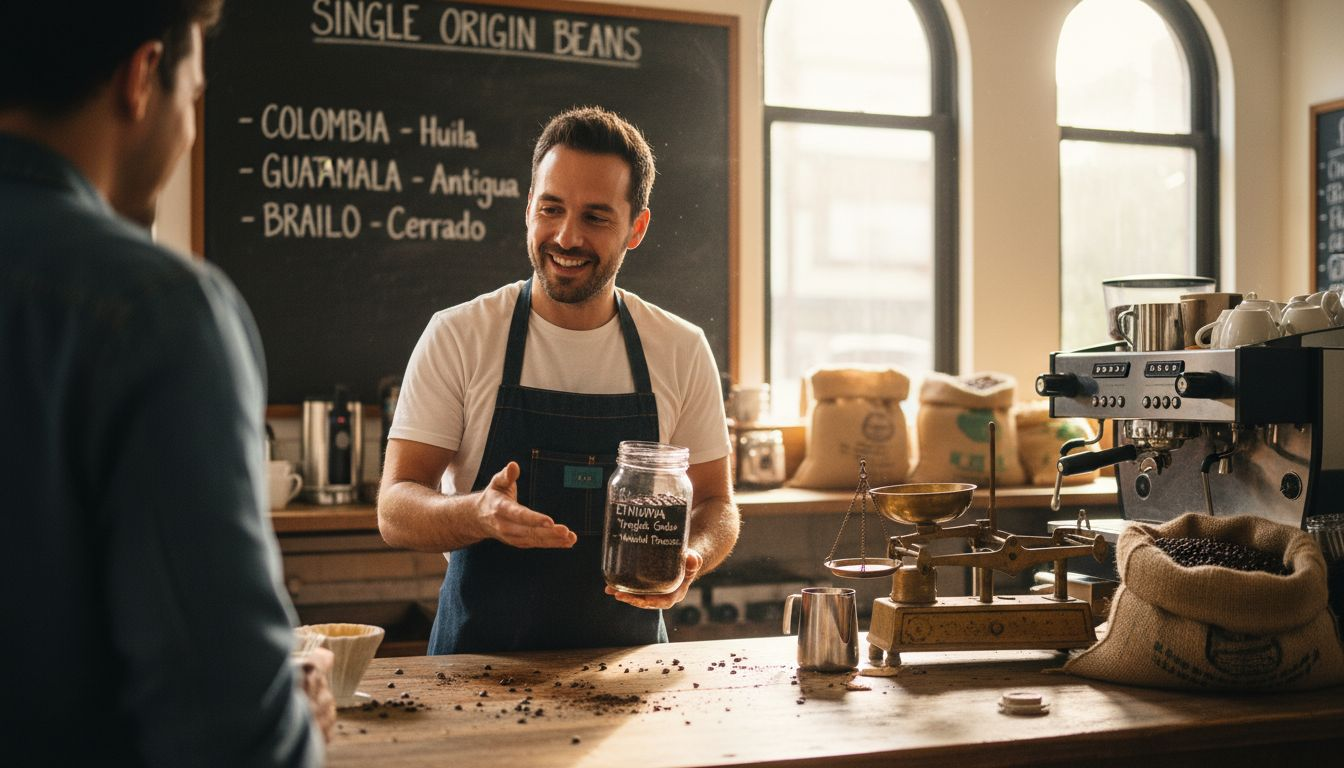
Comparing coffee bean quality requires a nuanced understanding of processing methods and their profound impact on flavor profiles. This step will guide you through evaluating the subtle yet critical differences that transform ordinary beans into extraordinary coffee experiences.
Research on coffee processing methods reveals that processing dramatically influences a bean’s final character. Understanding these key processing techniques will help you make informed selections:
-
Processing Method Characteristics
-
Washed Processing
- Cleanest, brightest flavor profile
- Most consistent results
- Typically used for high-altitude Arabica beans
-
Natural Processing
- Enhanced sweetness
- Fuller body
- More intense fruit-forward flavors
-
Honey Processing
- Balanced between washed and natural
- Moderate sweetness
- Complex flavor interactions
-
Academic studies on coffee processing demonstrate that each method introduces unique chemical transformations, directly impacting aroma, acidity, and overall sensory experience. The goal is finding a processing method that aligns with your personal taste preferences.
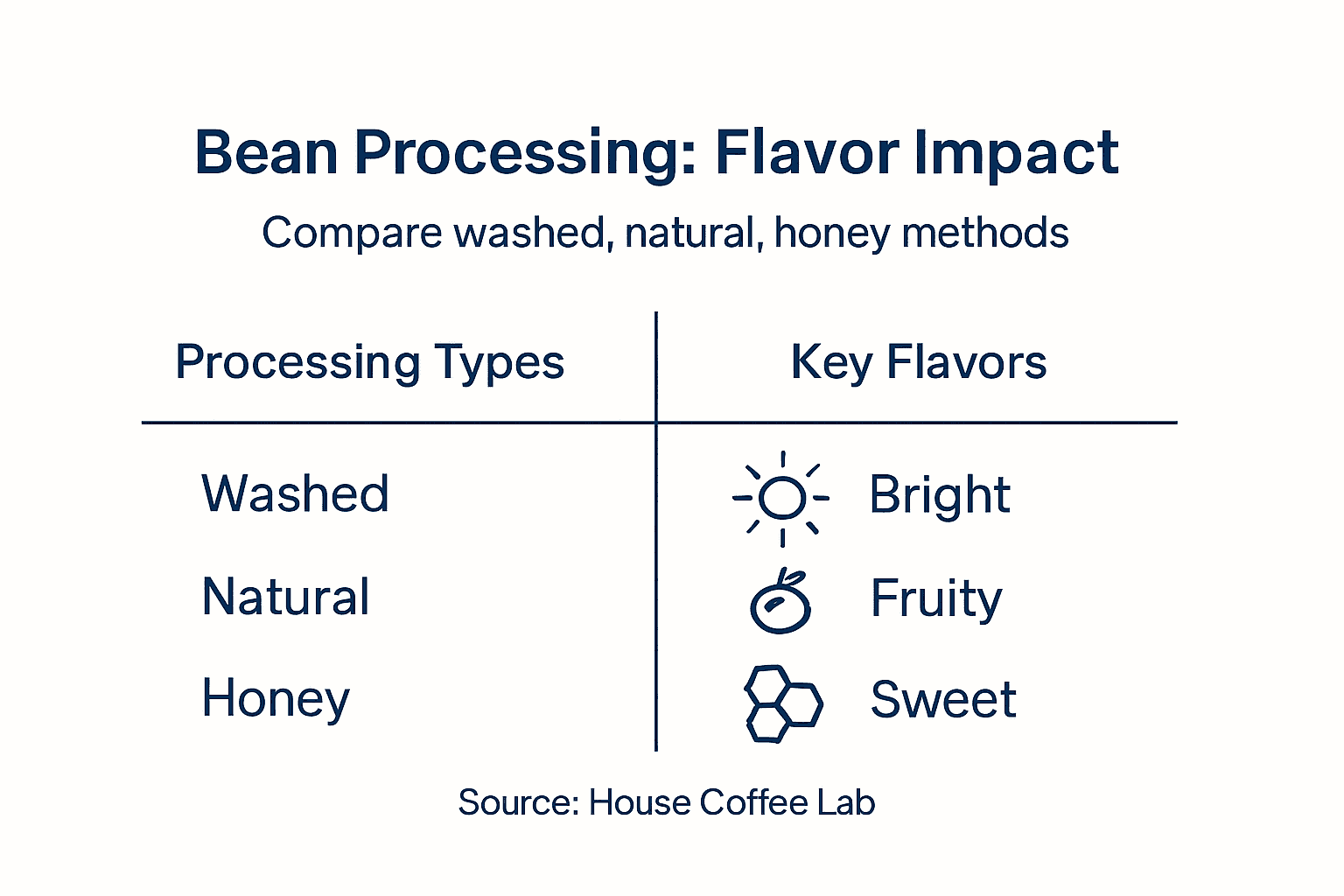
Here’s how popular coffee processing methods differ in their impact on taste and aroma:
| Processing Method | Key Flavor Characteristics | Common Brewing Recommendations |
|---|---|---|
| Washed | Bright, clean, high clarity | Ideal for pour-over or filter |
| Natural | Fruity, sweet, heavier body | Suited for espresso blends |
| Honey | Balanced, layered, moderate acidity | Great for French press or Chemex |
Bean processing is an art form that bridges agricultural craft with sensory science.
Pro tip: Request sample roasts of the same bean processed differently to develop a sophisticated understanding of how processing transforms flavor.
Step 4: Select Packaging and Freshness Options
Preserving the vibrant flavors of your single origin beans starts with understanding the critical role of packaging and freshness. This step will guide you through selecting storage solutions that protect your coffee’s delicate sensory profile and maintain its peak taste potential.
Research on coffee packaging technologies reveals that packaging is far more than just a container. Key considerations for maintaining coffee freshness include:
-
Packaging Material Features
-
High-Barrier Materials
- Aluminum-layered packaging
- Blocks oxygen and moisture
- Prevents rapid flavor degradation
-
Closure Mechanisms
- Resealable screw caps
- Airtight seal
- Better secondary shelf life
-
Storage Recommendations
- Opaque containers
- Cool, dark environments
- Away from direct sunlight and heat
-
Scientific freshness studies demonstrate that packaging directly impacts coffee’s volatile compounds, which determine its sensory quality. The right storage can dramatically extend your beans’ flavor potential.
Packaging is the guardian of your coffee’s soul, protecting its essence from the moment it’s roasted.
Pro tip: Invest in a specialized coffee canister with a one-way valve that releases CO2 while preventing oxygen entry, ensuring maximum freshness.
Step 5: Verify Authenticity and Sourcing
Authenticity in single origin coffee goes beyond marketing claims. This step will empower you to become a discerning coffee enthusiast who can confidently validate the true origin and quality of your beans through strategic verification techniques.
Advanced authentication methods reveal sophisticated approaches for ensuring coffee integrity. Critical verification strategies include:
-
Authenticity Verification Techniques
-
Documentary Evidence
- Origin certificates
- Detailed farm documentation
- Traceable supply chain records
-
Scientific Authentication
- Near-infrared spectroscopy
- Chemical compound analysis
- Molecular biology testing
-
Ethical Sourcing Indicators
- Fair trade certifications
- Sustainable farming credentials
- Direct trade relationships
- Transparent sourcing information
-
Research on coffee traceability emphasizes the importance of developing robust verification methods that protect both consumers and producers. Understanding these techniques helps you make informed purchasing decisions that support responsible coffee production.
A quick guide to verifying coffee authenticity and sourcing methods:
| Verification Approach | What It Assures | Typical Source |
|---|---|---|
| Origin certificates | Farm and region identity | Producers or exporters |
| Scientific testing | Chemical authenticity | Third-party labs |
| Ethical certifications | Social and environmental standards | Certifying bodies |
Authenticity is not just a label. It’s a commitment to quality, transparency, and ethical sourcing.
Pro tip: Request detailed provenance information directly from your coffee supplier and don’t hesitate to ask for specific documentation about the bean’s origin and processing.
Elevate Your Home Brewing with Expertly Curated Single Origin Beans
Choosing the perfect single origin beans for your home brewing is about embracing quality, authenticity, and a taste that truly reflects your personal preferences. If you are striving to explore unique flavor profiles and ethical sourcing while deepening your coffee experience, House Coffee offers an exceptional selection that aligns perfectly with your goals. Our thoughtfully sourced Gold Collection features high-quality Arabica beans, handpicked to highlight distinctive origins and processing methods that unlock vibrant and layered flavor notes tailored to your brewing style.
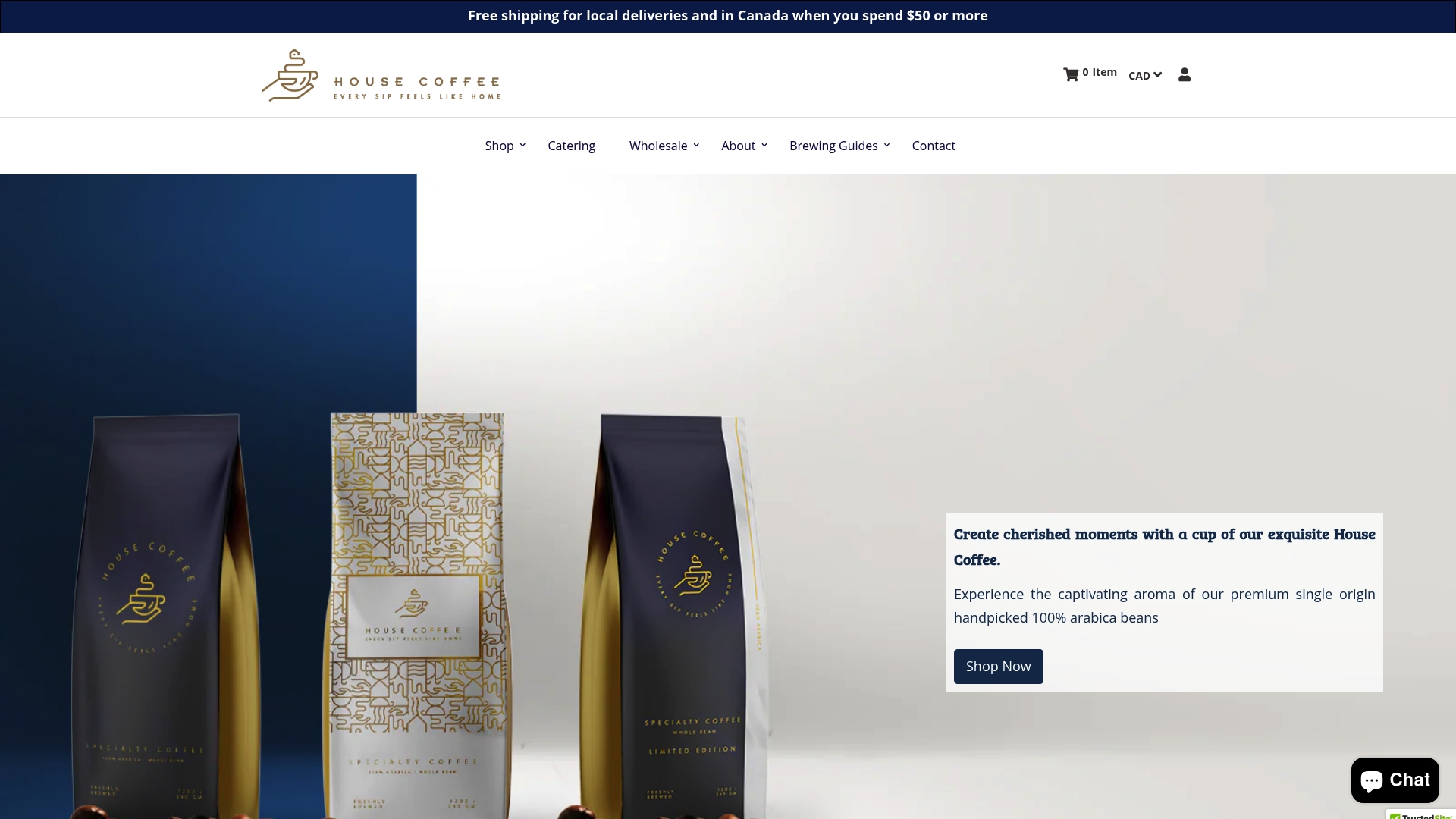
Discover how House Coffee can transform your daily brew into a premium sensory journey. Start sampling from our Diamond Collection – House Coffee and take advantage of flexible options through our Subscriptions – House Coffee that ensure you always receive fresh, ethically produced beans. Visit housecoffeecanada.com today and experience the perfect harmony of quality, freshness, and sustainability delivered right to your doorstep.
Frequently Asked Questions
How do I assess my brewing preferences for single origin coffee?
Understanding your brewing preferences begins by analyzing your taste for flavor profiles, such as bright acidity or full-bodied richness, and identifying your preferred brewing method. Start by experimenting with different beans and techniques to discover what flavors resonate with you.
What factors should I consider about the origin of single origin beans?
When researching single origin beans, focus on geographical elements like altitude, climate, and soil composition, as well as ethical production practices. Examine these details to ensure that the beans you choose not only taste great but are also produced responsibly.
How can processing methods affect the flavor of my coffee?
Processing methods play a crucial role in defining the flavor profile of coffee beans. To explore this, try tasting beans processed through different methods, such as washed, natural, or honey, to discern how each one affects sweetness and body in your cup.
What packaging options will help preserve the freshness of my single origin beans?
Select high-barrier packaging that blocks oxygen and moisture to maintain the flavor of your coffee. Consider using a specialized coffee canister with a one-way valve to keep your beans fresh for several weeks after roasting.
How can I verify the authenticity of the single origin beans I purchase?
To ensure authenticity, request origin certificates or traceable supply chain records from your supplier. Verify these documents to confirm the quality and ethical sourcing of your beans, allowing you to make informed purchase decisions.
What are the key flavor characteristics of washed, natural, and honey processed beans?
Washed beans typically offer a bright and clean profile, natural beans tend to have fruitier and sweeter flavors, while honey processed beans strike a balance between the two. Experiment with different processing styles to find which flavor characteristics suit your taste best.
Recommended
-
Posted in
en, guide to choosing single origin beans