Best Coffees for Cold Brew, Chosen by Flavor
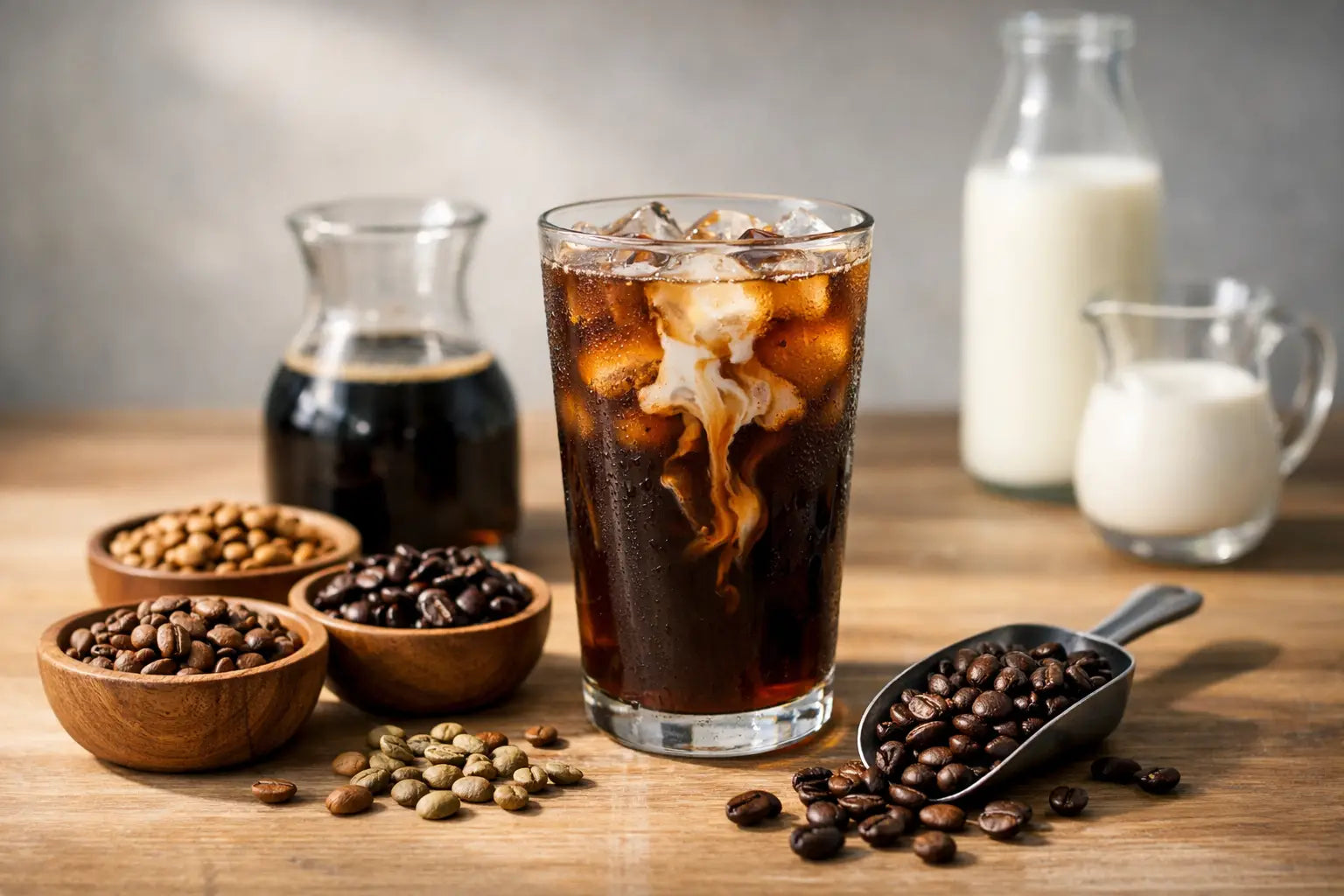
Cold brew has a way of making a quiet morning feel more considered. A batch waits in the fridge, ready to pour over ice or share across the kitchen table. Choosing the best coffees for cold brew is what turns that convenience into something memorable: a cup with natural sweetness, a silky body, and flavors that stay clear even when chilled.
The right bean is not always the darkest roast or the most expensive bag. Cold water extracts coffee slowly and selectively, softening sharp acidity while bringing forward sweetness, body, chocolate, fruit, and spice. That means the best choice depends on the kind of glass you want to reach for: deep and cocoa-rich, bright and juicy, or balanced enough to drink black every day.
What Makes a Coffee Great for Cold Brew?
Cold brewing changes the conversation around flavor. Hot water quickly pulls acidity, aromatic compounds, and bitter notes from ground coffee. Cold water works over many hours, extracting more gently. The finished drink is usually lower in perceived acidity, fuller in texture, and naturally sweet when the coffee is fresh and well roasted.
For that reason, start with specialty-grade Arabica beans. Carefully sourced coffee with a clear origin, a thoughtful roast, and a recent roast date gives cold brew more character than tired, overly dark supermarket coffee. You should be able to taste where the coffee came from, even after milk, ice, or a splash of cream enters the picture.
A medium or medium-dark roast is often the safest starting point. These roasts offer enough development for caramel, cacao, and nutty notes without burying the coffee beneath roastiness. But roast level is only one part of the decision. Origin, processing method, and your preferred serving style matter just as much.
Best Coffees for Cold Brew by Flavor Profile
Chocolatey, nutty coffees for a classic cold brew
If your ideal cold brew tastes smooth, comforting, and a little like dark chocolate, look for coffees with notes of cocoa, toasted almond, brown sugar, caramel, or baking spice. Coffees from Brazil, Colombia, Guatemala, and parts of Peru often deliver this familiar, satisfying profile.
A washed Colombian coffee can bring a clean caramel sweetness and a rounded finish, while a natural-process Brazilian coffee may lean creamier and nuttier. These are excellent choices for cold brew with milk or oat milk because their deeper flavors remain present rather than disappearing behind the added texture.
This profile is also the most forgiving for new cold brewers. It tends to taste balanced across a range of steep times and dilution levels. If you want one dependable coffee for the whole household, begin here.
Fruity African coffees for a brighter glass
Coffee drinkers who enjoy berry, citrus, stone fruit, or floral notes should consider Ethiopian and Kenyan single origins. Cold brew can make these coffees surprisingly elegant. Their lively character becomes softer and sweeter in the cold, often recalling blueberry, peach, lemon candy, or tea-like florals rather than sharp acidity.
There is a trade-off. A very delicate, light-roasted coffee may taste muted if brewed too strongly or steeped too long. Keep the grind coarse, use filtered water, and avoid assuming that more coffee always means more flavor. With a well-developed medium roast, however, an Ethiopian natural can create a chilled coffee that feels like a treat without any syrup.
Choose this style when you drink cold brew black, enjoy tasting distinct origins, and want something more expressive than a traditional chocolate-forward cup. It is especially lovely on warm afternoons when iced coffee calls for lift rather than heaviness.
Central American coffees for balance and versatility
Coffees from Costa Rica, Honduras, Nicaragua, and Guatemala often occupy a beautiful middle ground. Expect notes such as red apple, honey, milk chocolate, citrus, and toasted sugar, with a clean structure that works in many recipes.
These origins are among the best options when your cold brew needs to do several jobs. Brew it as a concentrate for guests, pour it over ice for a quick weekday coffee, or pair it with milk for a softer, sweeter drink. Their balance makes them particularly useful for families with different preferences at home.
Look for a medium roast if versatility is the goal. It will preserve enough origin character for black coffee while offering the approachable sweetness that makes cold brew so easy to love.
Sumatra and other full-bodied coffees for depth
For a bolder, more earthy cold brew, choose Indonesian coffees, especially those from Sumatra. Their flavor can lean toward dark chocolate, cedar, spice, molasses, and dried herbs, with a heavier body that suits cold extraction beautifully.
This is the coffee to choose if you like cold brew with cream, prefer a less fruity profile, or want a concentrated base for a coffee cocktail or dessert-inspired drink. A medium-dark Sumatra can feel remarkably plush over ice.
Still, not every drinker will love its savory edge. If words like earthy and herbal do not appeal to you, a Colombian or Guatemalan coffee may be the better path. Great cold brew is personal, and the best bag is the one that fits your palate rather than a trend.
Single Origin or Blend for Cold Brew?
Single-origin coffees give you a clearer sense of place. They are ideal when you want to explore the fruit, sweetness, and texture created by a particular region, farm, or processing method. A fresh Ethiopian or Costa Rican single origin can make an everyday cold brew ritual feel more intentional.
Blends offer consistency and balance. A well-crafted blend may pair a chocolatey base with a brighter component, creating a cup that stays sweet, full, and familiar from one batch to the next. For cold brew drinkers who add milk, make large batches, or want the same comforting result each week, blends can be the practical choice.
Neither is automatically better. Choose single origin when curiosity and distinct flavor lead the purchase. Choose a blend when dependability, body, and all-purpose brewing matter most.
Freshness Matters More Than the Label
Cold brew does not hide stale coffee. In fact, its smooth texture can make flat, papery, or lifeless flavors more obvious. Buy whole beans roasted recently, store them in an airtight container away from heat and light, and grind only what you plan to brew.
For most coffees, a coarse grind is the right move. Think raw sugar or kosher salt, not fine sand. Finer grounds can slow filtration and create a cloudy, bitter finish. A burr grinder gives the most even result, which helps every particle extract at a similar pace.
Use clean, filtered water as well. Cold brew is mostly water, and chlorine or strong mineral flavors can distract from the coffee's sweetness. This simple detail often makes a bigger difference than changing your recipe by a few grams.
A Simple Way to Match Beans to Your Recipe
For ready-to-drink cold brew, use about 1 part coffee to 12 parts water by weight. For a concentrate meant to be diluted with water, milk, or ice, use roughly 1 part coffee to 5 to 8 parts water. Steep in the refrigerator for 12 to 18 hours, then filter slowly through a fine mesh filter and paper filter if you prefer a cleaner cup.
Chocolatey and nutty coffees can comfortably sit toward the longer end of that range. Brighter, fruit-driven coffees often shine at 12 to 14 hours, when their sweetness is present but their finer flavors have not become dull. Taste your first batch before changing everything. If it is weak, use more coffee next time. If it is woody, dry, or overly heavy, shorten the steep or use a slightly coarser grind.
The coffee you choose should also reflect how you serve it. A concentrate poured over a full glass of ice needs more depth than a ready-to-drink batch served straight from the fridge. Milk rewards cocoa, caramel, and nut flavors. Black cold brew gives floral and fruit-forward coffees more room to speak.
Choose Coffee Worth Waiting For
Cold brew asks for patience, but it gives something back: a coffee ritual that is already prepared when the day begins. Start with freshly roasted specialty beans, choose a flavor profile that suits your favorite serving style, and allow a few batches to teach you what your palate prefers.
Whether you reach for a syrupy Brazilian, a balanced Guatemalan, or a fruit-forward Ethiopian, House Coffee makes it easier to bring thoughtfully sourced, small-batch coffee into those everyday moments at home. Pour slowly, add ice if you like, and make room to enjoy the cup with someone you love.