Home Espresso Starts With a Better Grind
The best home espresso moments are rarely about a complicated machine or a picture-perfect crema. They happen when the kitchen is still quiet, the grinder starts to hum, and a small ritual produces a cup that feels made just for you. With fresh coffee, a few reliable habits, and a little patience, a deeply satisfying shot is closer than you think.
What Great Home Espresso Should Taste Like
Espresso is concentrated coffee, but it should never simply taste strong. A well-pulled shot has sweetness, body, and enough brightness to keep each sip lively. Depending on the coffee, you might find notes of dark chocolate, roasted almond, brown sugar, berries, citrus, or caramel. The finish should be pleasant, not dry, harsh, or aggressively bitter.
That balance comes from extraction. Water needs to move through finely ground coffee at the right pace, taking out flavorful sugars, acids, and aromatic compounds without pulling too much bitterness and astringency. If a shot runs too fast, it often tastes thin, sour, or underdeveloped. If it runs too slowly, it can taste woody, bitter, and heavy.
The good news is that home brewing gives you control. You do not need to chase technical perfection every morning. You only need a repeatable starting point and the confidence to adjust one variable at a time.
Start With Beans Roasted for Flavor
Espresso is demanding because it concentrates everything in the cup, including the character of the coffee itself. Fresh, specialty-grade Arabica gives you a far better foundation than old, pre-ground coffee from a grocery shelf. Look for coffee with a clear roast date, thoughtful sourcing, and flavor notes that sound genuinely appealing to you.
A Q-grade score of 84+ is a useful signal that a coffee has been evaluated for high sensory quality, but your own taste still matters most. If you enjoy a fuller, more traditional espresso, choose a medium-dark roast with notes like cocoa, caramel, toasted nuts, or spice. If you prefer a brighter shot or an espresso that shines without milk, a balanced medium roast or a fruit-forward single origin can be beautiful.
Freshness has a sweet spot. Coffee generally needs a few days after roasting to release excess gas, then often performs especially well for espresso from about one to three weeks after roast. This is not a hard rule. Lighter roasts may benefit from more rest, while darker roasts can be ready sooner. Keep beans in an airtight container away from heat, sunlight, and moisture, and buy an amount you can enjoy while it is still lively.
For a dependable place to begin, freshly roasted, small-batch specialty coffee from House Coffee brings the clarity and sweetness that make dialing in more rewarding. A thoughtful blend can offer consistency and comfort, while a single origin can turn an ordinary morning into a small tasting experience.
Your Grinder Matters More Than Most Upgrades
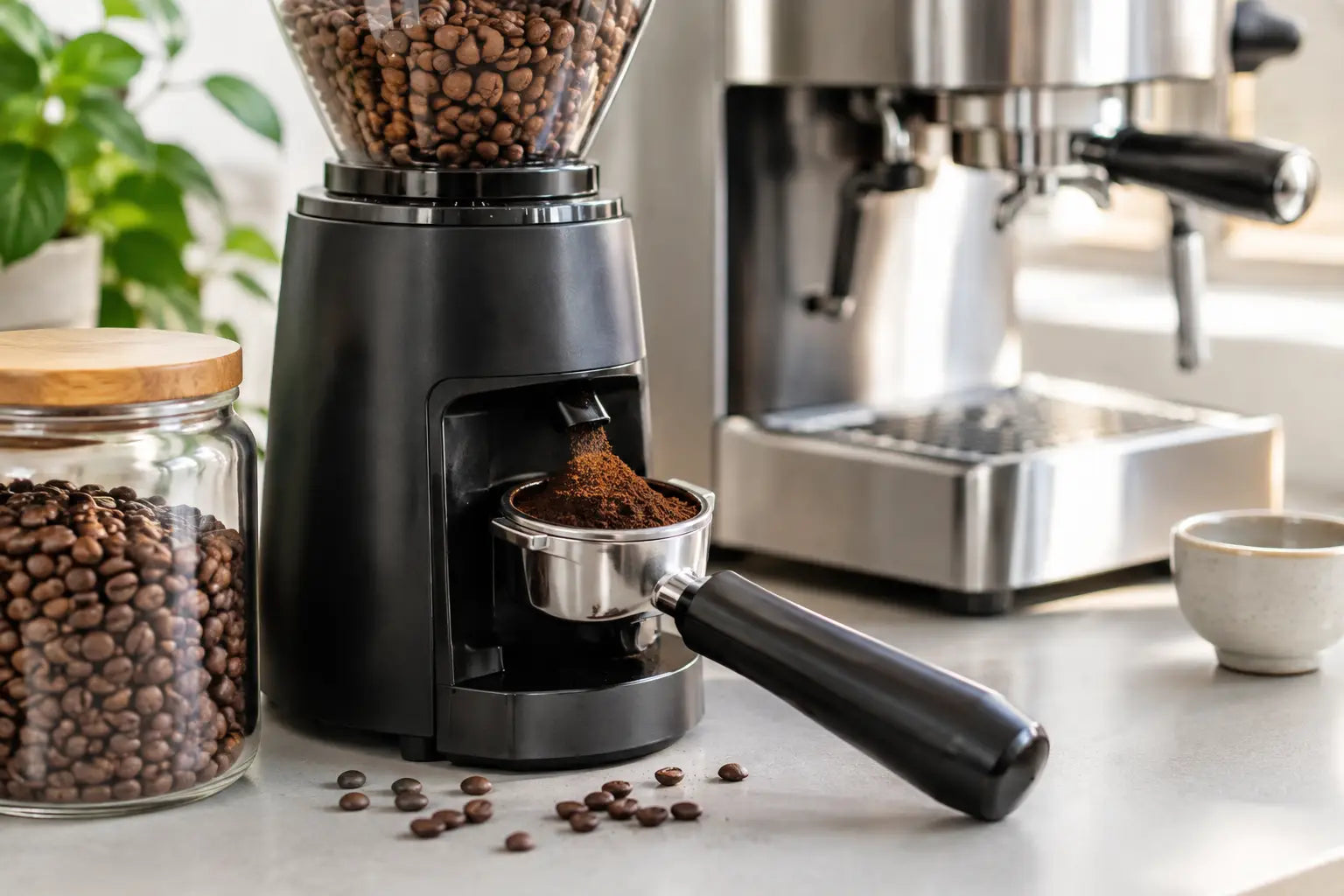
A capable espresso grinder has more impact on your results than a premium machine paired with an inconsistent grind. Espresso needs very fine particles, but it also needs those particles to be uniform. Uneven grounds cause water to find weak paths through the puck, leaving some coffee under-extracted and some over-extracted in the same shot.
A burr grinder is the practical standard. It creates a more even grind than a blade grinder and lets you make the tiny adjustments espresso requires. Ideally, choose a grinder designed for espresso, with fine settings close together. A general-purpose grinder can work, especially with a pressurized basket, but it may make dialing in less predictable.
Grind only what you need immediately before brewing. Coffee loses aromatic compounds quickly after grinding, and those aromas are a big part of what makes espresso feel rich and inviting. If your shots are inconsistent from one day to the next, stale grounds or an imprecise grinder are often part of the answer.
Dialing In Home Espresso One Change at a Time
A scale is one of the simplest tools for improving home espresso. It removes guesswork from both the dry coffee dose and the amount of espresso in your cup. Start with a straightforward recipe: 18 grams of ground coffee in, 36 grams of espresso out, brewed in roughly 25 to 30 seconds. This is a 1:2 ratio, and it is a useful baseline for a double shot.
First, weigh your dose. Distribute the grounds evenly in the portafilter, then tamp level and firm. The goal is not to apply extraordinary force. It is to create an even, compact coffee bed so water does not rush through a loose spot. Start the shot and stop it when your scale reads about 36 grams.
Taste before changing anything. If the espresso is sharp, salty, thin, or disappears too quickly, make the grind slightly finer for the next shot. Finer grounds slow the flow and typically increase extraction. If the cup is bitter, dry, or the shot drips painfully slowly, go slightly coarser.
Keep the dose and yield steady while you adjust the grind. Changing dose, grind, shot time, and output all at once makes it difficult to know what actually helped. Once the shot tastes balanced, you can explore. A slightly shorter ratio, such as 18 grams in and 30 grams out, may create a syrupier, more intense cup. A longer ratio can reveal more clarity and fruit, particularly in lighter coffees.
Time is a guide, not the final judge. Different machines, baskets, roast levels, and coffees behave differently. Your palate gets the final say. If a 32-second shot tastes sweet and vibrant, it is doing its job.
A Home Espresso Setup That Fits Your Routine
The right setup depends on how much control you want and how much time you enjoy spending at the counter. A manual lever machine can be deeply hands-on and rewarding. A semi-automatic machine gives you control over grinding, dosing, and shot timing. A super-automatic prioritizes speed and convenience, grinding and brewing with the press of a button.
There is no wrong choice if it helps you make coffee you love. A semi-automatic machine and dedicated grinder are often the best path for someone who wants to learn espresso as a craft. A super-automatic may be a better fit for a busy household that wants fresh, reliable coffee before school runs, meetings, and weekends out the door.
Whatever machine you own, use clean, filtered water when possible. Water affects flavor, and excessive mineral buildup affects machine performance. Warm the portafilter before brewing, wipe it dry before adding grounds, and rinse it after every shot. Those small acts protect flavor and help your routine feel calm rather than fussy.
Milk Drinks Need Sweet Espresso Beneath Them
Milk can soften an espresso shot, but it cannot fully hide a bitter or hollow one. Aim for a balanced espresso first, then steam cold milk until it has a glossy, paint-like texture. Keep the steam wand tip near the surface briefly to add air, then lower it slightly to create a rolling whirlpool that breaks down large bubbles.
For lattes, use more milk and a gentler coffee presence. For cappuccinos, build a thicker foam. For a cortado or flat white, let the espresso remain more present. Whole milk is often the easiest place to start because its fat and natural sweetness create a plush texture, though oat milk made for baristas can also steam beautifully.
Let Practice Become Part of the Pleasure
Some mornings, you will pull a shot that tastes like melted chocolate and feels almost effortless. Other mornings, the same coffee will ask for a finer grind, a little more patience, or a quick cleanup of the grinder. That is not failure. It is the honest, tactile side of brewing with fresh coffee.
Keep a simple note on the coffee bag or in your phone: dose, yield, grind direction, and a few words about flavor. Within a few sessions, you will begin to recognize what your coffee needs. Soon, making espresso at home will feel less like following a formula and more like creating a cherished moment, one warm cup at a time.