A Single Origin Coffee Review for Better Brewing
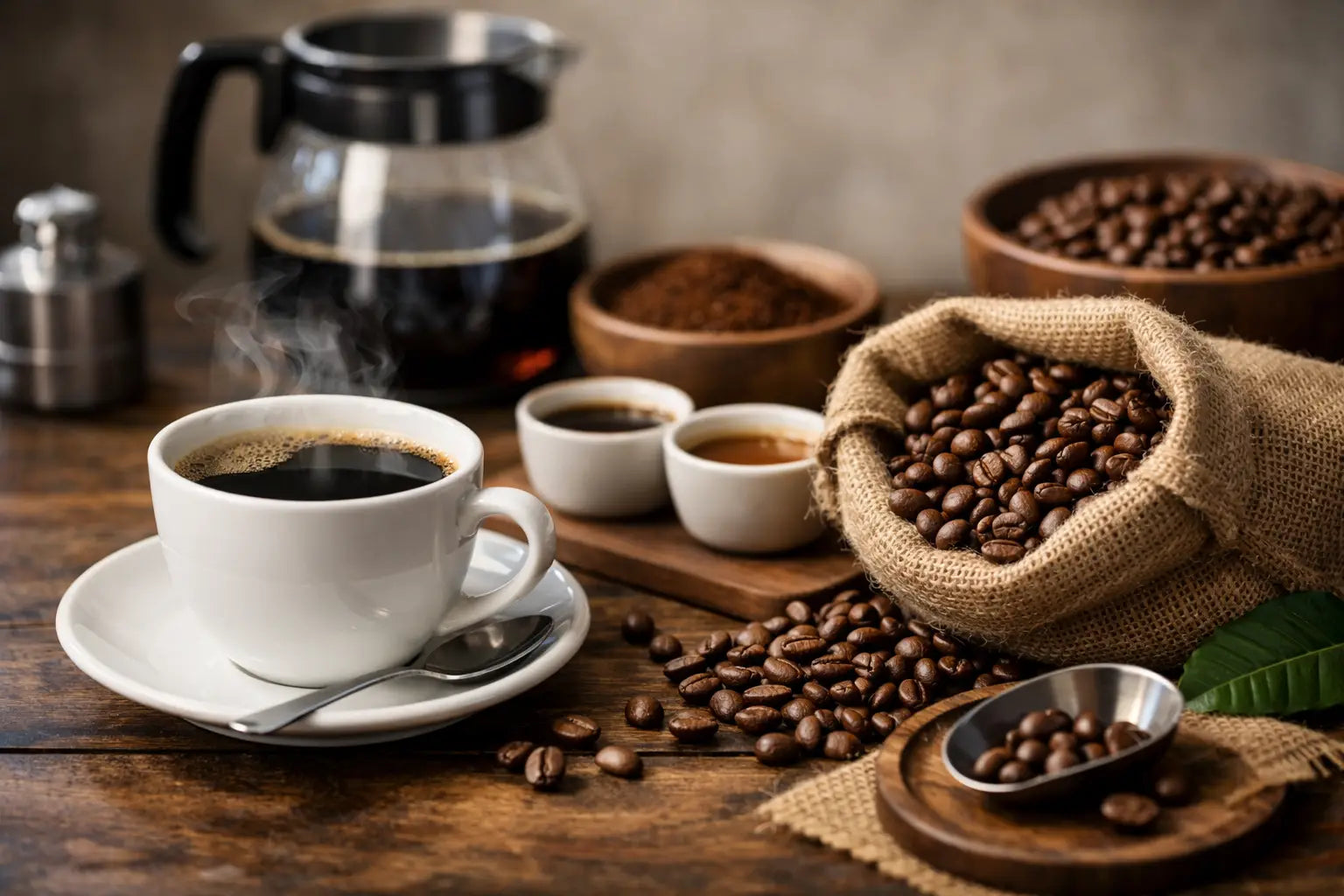
The first sip tells a story. A washed Ethiopian coffee may open with bright citrus and tea-like florals, while a honey-processed Costa Rican might feel rounder, sweeter, and closer to stone fruit. That contrast is why a single origin coffee review should look beyond whether a coffee is simply “good.” The better question is whether its character comes through clearly, from the farm and processing method to the roast, grind, and final brew in your favorite mug.
For coffee drinkers who want more than a dependable caffeine routine, single origin beans make the daily ritual feel personal. They offer a sense of place, crafted into a cup that can turn a quiet morning, a catch-up at the kitchen table, or an after-dinner pause into a cherished moment.
What Single Origin Really Tells You
Single origin coffee comes from one defined place rather than a blend of coffees from multiple regions. That place may be a single farm, a cooperative, a washing station, or a particular region within a producing country. The more specifically a coffee is identified, the more helpful that information can be when you are trying to understand its flavor and traceability.
Origin alone is not a guarantee of quality. A coffee can carry a country name and still taste flat if it was poorly processed, roasted long ago, or stored carelessly. But when sourcing and roasting are handled with care, origin gives coffee a recognizable voice. Altitude, soil, climate, variety, harvest practices, and processing all leave their mark.
A high-quality single origin should not taste like a generic idea of coffee. It should have definition. You may notice a clean sweetness, a distinct fruit note, chocolate-like depth, gentle florals, or a crisp acidity that makes another sip feel inevitable. Specialty markers, including Q-grade scores of 84 and above, are useful signals that the coffee has been evaluated for quality. They are a starting point, not the whole experience.
Single Origin Coffee Review: The Details That Matter
A thoughtful review begins before you brew. Freshly roasted coffee should arrive with clear information: the origin, roast level, flavor notes, and ideally a roast date. These details help set fair expectations. A coffee described as caramel, almond, and cocoa will likely suit someone looking for comfort and balance. One described as jasmine, bergamot, and peach may be more exciting for a drinker who enjoys a lively, aromatic cup.
Flavor notes are clues, not promises
Tasting notes are not added flavors. They are comparisons used to describe natural aromas and sensations found in the coffee. “Blueberry” does not mean your coffee will taste like juice. It may mean the sweetness and aroma bring berries to mind, especially as the cup cools.
This distinction matters because preferences vary. One person may adore the sparkling acidity of a light-roasted Kenyan coffee, while another may find it too sharp for their first cup of the day. Neither is wrong. A useful review explains the style of the coffee, then helps you decide whether that style belongs in your routine.
Roast should support the origin
For single origin coffee, roasting is a balancing act. A roast that is too light can leave the cup grassy, sour, or underdeveloped. Too dark, and the roast can cover the character that made the coffee worth sourcing in the first place.
Medium and lighter specialty roasts often reveal more origin detail, especially in filter brewing. A slightly more developed roast can be beautiful for espresso, bringing extra body and chocolate sweetness without losing all nuance. The best roast level depends on the coffee and how you brew it. There is no universal winner, only a roast that gives the bean room to speak.
Freshness changes the entire cup
Coffee is at its most expressive after it has rested briefly from roasting and before it has spent too long exposed to oxygen. Whole beans protect flavor better than pre-ground coffee, which is why grinding just before brewing is one of the simplest upgrades a home brewer can make.
Store beans in a sealed container away from heat, sunlight, and moisture. Skip the refrigerator, where condensation and food odors can interfere with flavor. If you buy enough coffee for several weeks, freeze a portion in airtight packaging and keep your everyday supply at room temperature.
How Origin Shapes Your Coffee Experience
Country names can offer a helpful first direction, though they never tell the whole story. Ethiopian coffees are often admired for floral aromas, citrus brightness, and berry-like sweetness. Colombian coffees can range widely, but many bring a balanced cup with ripe fruit, caramel, and a smooth finish. Guatemalan coffees often lean toward cocoa, baking spice, and structured acidity.
Brazil is a favorite for nutty sweetness, chocolate notes, and creamy body, particularly for espresso. Costa Rican coffees can be clean and elegant, with apple, honey, or tropical fruit character. Coffees from Indonesia may offer heavier body, earthiness, spice, and deep sweetness.
Processing adds another layer. Washed coffees tend to present a cleaner, more transparent flavor profile. Natural-process coffees are dried inside the coffee fruit and can feel fuller, fruitier, and more intense. Honey processing, where some fruit mucilage remains during drying, often sits between those styles, pairing sweetness with clarity.
A great single origin is not automatically the wildest or most unusual coffee on the table. Sometimes it is the composed, comforting cup you reach for every morning because its sweetness is reliable and its finish stays with you.
Brew It for the Cup You Want
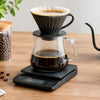
The same beans can feel completely different in different brewers. If a coffee tastes delicate and fragrant, a pour-over can highlight its clarity. Use filtered water, a consistent medium-fine grind, and a measured ratio. Starting around 1 gram of coffee for every 16 grams of water gives you a dependable foundation, then you can adjust for your taste.
A French press emphasizes body and texture. It can make chocolatey, nut-forward origins feel especially warm and satisfying, though fine sediment may soften some of the coffee’s brighter details. A drip brewer offers easy consistency for busy mornings, particularly when it reaches an appropriate brewing temperature and uses fresh, properly ground coffee.
Espresso is less forgiving but deeply rewarding. Single origins can produce a memorable shot, full of fruit, syrupy sweetness, or dark-cocoa richness. They can also be less familiar than a traditional blend. If your espresso tastes sharply sour, try a finer grind or a longer yield. If it tastes dry and bitter, go a little coarser or shorten the extraction. With milk, choose an origin with enough sweetness and body to remain present.
Who Should Choose Single Origin Coffee?
Single origins are ideal for curious drinkers who enjoy noticing small changes in flavor from bag to bag. They are also a thoughtful choice for gift giving, because a distinct origin turns coffee into something more memorable than a default pantry item. For a host, a family member, or the friend who has perfected their pour-over, a fresh specialty coffee says you considered their ritual.
That said, single origin is not the only right choice. Blends can be wonderfully balanced, especially for espresso and everyday consistency. If you want the same familiar profile all year, a carefully crafted blend may suit you better. Choose single origin when you want to taste the season, explore a region, or experience the work of dedicated growers in a more direct way.
At House Coffee, small-batch roasting and ethically sourced Arabica are chosen to make that experience approachable at home. You do not need a café counter or a complicated setup to appreciate specialty coffee. You need fresh beans, a little attention, and a few unhurried minutes.
The most rewarding cup is not necessarily the one with the most dramatic tasting notes. It is the one that meets you where you are: bright enough to wake your senses, comforting enough to slow you down, and good enough to invite someone to share the next pot with you.