Specialty Coffee Subscription vs Store Bought
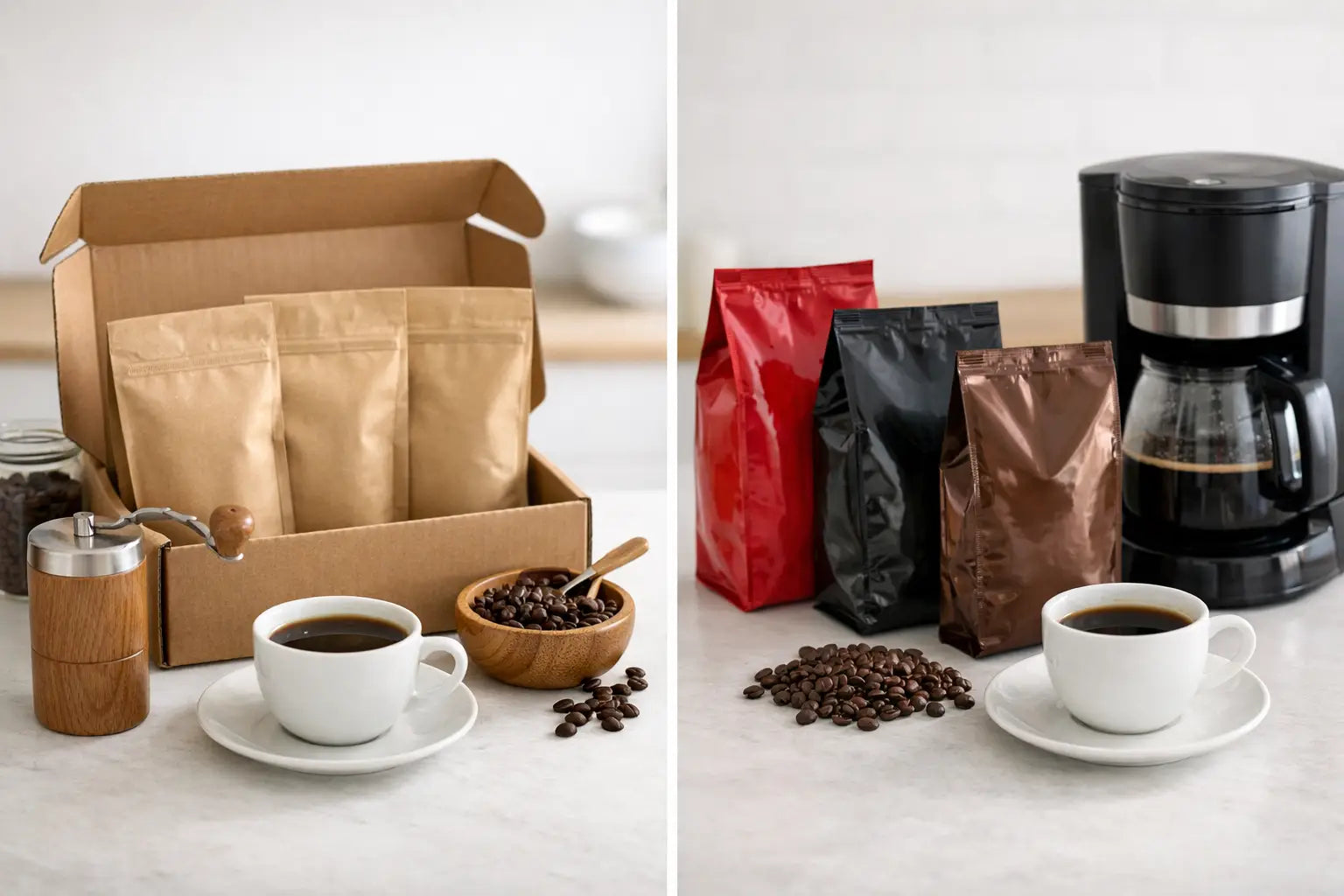
You can taste the difference before you finish the first sip. One coffee feels flat and a little tired, even when brewed carefully. The other opens with sweetness, clear aroma, and the kind of finish that makes your morning feel less rushed. That is the real question behind specialty coffee subscription vs store bought - not just where you buy coffee, but what kind of experience you want waiting in your kitchen every day.
For many coffee drinkers, grocery store coffee wins on habit. It is already there, it fits into the weekly routine, and it seems easier than planning ahead. But coffee is a fresh product, and freshness changes everything. Once you start paying attention to roast date, origin, and how the coffee was sourced, the gap between store-bought coffee and a specialty subscription becomes much more obvious.
Specialty coffee subscription vs store bought: what really changes?
The biggest difference is not packaging or price alone. It is time, quality control, and intention.
A specialty coffee subscription is usually built around freshly roasted coffee shipped soon after roasting. That short window matters because coffee is at its most expressive when it has had a little time to rest but has not spent months sitting on a shelf. You are more likely to receive beans with vibrant notes, balanced sweetness, and a texture that feels alive in the cup.
Store-bought coffee can absolutely be convenient, and some retailers carry better options than others. But grocery supply chains are designed for scale and shelf stability. Even a good coffee can lose some of its sparkle by the time it reaches the cart. If the bag has no roast date, you are often guessing how long it has been there.
There is also the question of curation. A subscription tends to be selected with purpose, whether that means a single origin with a high Q-grade score, a seasonal blend designed for espresso, or a rotation that lets you explore different producing regions. Store shelves are broader, but not always deeper. You get more choices on paper, yet fewer meaningful signals about why one coffee is truly better than another.
Freshness is where subscriptions usually pull ahead
Coffee is not like pantry staples that improve by sitting around. Roasted beans change over time. Aromatics fade. Sweetness dulls. The cup can become woody, papery, or simply one-dimensional.
That is why subscriptions appeal to people who want cafe-level results at home. Fresh roasting gives your grinder and brewer something better to work with. If you brew pour over, you will notice more clarity and structure. If you use espresso, fresher coffee often gives you a richer crema and more nuanced flavor, though it still needs proper rest after roasting. Even a simple drip machine benefits from better raw material.
Store-bought coffee is not always stale, but it is often older. The challenge is transparency. A best-by date does not tell you nearly as much as a roast date. When coffee has already spent weeks in warehouses, trucks, and on shelves, some of the flavor story has already faded before the bag reaches your counter.
For a daily ritual that is meant to feel comforting and satisfying, freshness is not a small detail. It is the difference between coffee that fills a mug and coffee that creates a moment.
Flavor, origin, and the quality difference in the cup
Specialty coffee asks more from every step of the process. The beans are usually sourced with tighter quality standards, often with clear origin information and cup profiles that tell you what to expect. That could mean a washed Ethiopian coffee with floral citrus notes, or a chocolate-forward Latin American blend built for everyday balance.
Many store-bought coffees are designed for consistency at scale. That is not automatically bad. Some drinkers want a familiar flavor every morning and are not looking to analyze acidity, body, or finish. But consistency at scale often means roasting darker to smooth over differences in the raw coffee. Dark roasts can be comforting and bold, yet they can also hide the character of the bean itself.
With a specialty subscription, the quality markers tend to be clearer. Single origin coffees, Q-grade scores of 84+, ethical sourcing, and small-batch roasting all point to a product that has been evaluated more carefully from farm to cup. That does not mean every specialty coffee will match every palate. It does mean you are usually starting with a higher ceiling for flavor.
If your goal is to create cherished moments at home, that matters. The cup becomes more than caffeine. It becomes part of how the morning begins, how an afternoon resets, or how you welcome someone into your home.
Is a specialty coffee subscription always more expensive?
It depends on what you are comparing and how you define value.
At the shelf, grocery coffee often looks cheaper. Large brands benefit from scale, and price promotions can make store-bought bags feel like the obvious practical choice. If your priority is the lowest cost per ounce, the grocery aisle will usually win.
But specialty coffee subscriptions offer a different kind of value. You are paying for fresher roasting, higher-grade beans, more transparent sourcing, and a product that is curated rather than mass distributed. For many households, that trade-off makes sense because the coffee is more enjoyable and less likely to disappoint. A better cup at home can also reduce the temptation to spend on cafe drinks throughout the week.
There is also waste to consider. When people buy a large bag of mediocre coffee, they often drink it reluctantly or let part of it go stale. A subscription can be tailored to the amount you actually use, which keeps the coffee fresher and the purchase more purposeful.
The smartest way to think about price is cost per satisfying cup. If one option is cheaper but noticeably less enjoyable, it may not be the better buy for someone who drinks coffee every single day.
Convenience looks different for different coffee drinkers
Store-bought coffee is convenient in the most obvious sense. You need coffee, you go to the store, you come home with coffee. There is no planning, no shipping window, and no commitment.
A subscription offers another kind of convenience - the kind that removes one more errand from your week. Coffee arrives before you run out. You do not have to stand in an aisle comparing labels. You do not have to settle for whatever is left on the shelf. For busy households, that reliability is part of the appeal.
Still, subscriptions are not perfect for everyone. If your coffee habits change constantly, if you travel often, or if you like spontaneous shopping, a recurring order may feel restrictive unless it is flexible. The best subscriptions let you pause, skip, or adjust frequency so the system works around real life.
For home brewers who know what they like and want dependable quality, that convenience feels less like automation and more like care.
Specialty coffee subscription vs store bought for ethical sourcing
This is another area where the difference can be meaningful.
Specialty coffee brands are more likely to share details about where the coffee comes from, how it was sourced, and why it was chosen. That transparency matters to customers who care about growers, sustainability, and long-term quality. Ethical sourcing is not just a feel-good phrase. It often supports better farming practices, stronger relationships with producers, and a more traceable product.
Store-bought coffee can include ethical certifications too, but the story is often less specific. You may see broad claims without much detail about farm, region, or lot. For some shoppers, that is enough. For others, especially those investing in premium coffee, more transparency builds more trust.
A brand like House Coffee speaks to this balance well: premium quality, fresh roasting in Canada, and a coffee experience that feels both expertly crafted and warmly personal. That combination resonates because people want to feel good about what is in the cup and how it got there.
Which one is right for you?
If you mainly want affordable coffee with maximum flexibility, store-bought may still be the better fit. It is easy, familiar, and accessible. There is nothing wrong with choosing convenience when coffee is simply one item on a long shopping list.
If you care about freshness, origin, and the pleasure of a truly well-made cup, a specialty coffee subscription is usually the stronger choice. It brings better odds of freshness, more meaningful quality signals, and a coffee routine that feels intentional instead of improvised.
For many people, the answer is not strictly one or the other. Some keep a dependable grocery option on hand for backup and use a subscription for the coffee they actually look forward to drinking. That hybrid approach makes sense, especially in busy homes.
The best coffee choice is the one that fits your taste, your routine, and the kind of moments you want to create around the cup. If your mornings matter to you, it is worth choosing coffee that shows up with as much care as you do.