Why Does Coffee Taste Sour? Fix the Cup
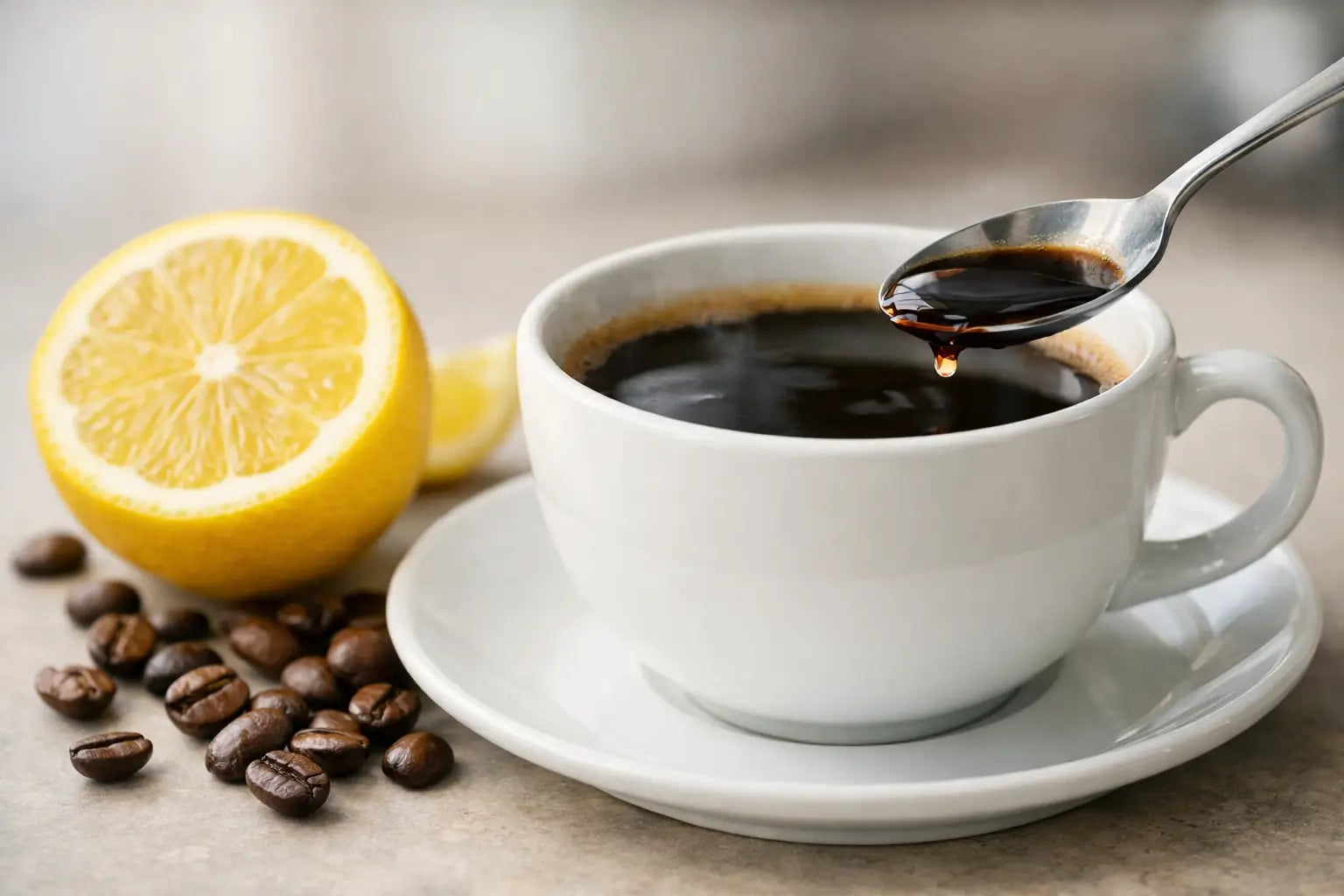
You brew a fresh cup, take that first sip, and instead of caramel, chocolate, or fruit sweetness, you get a sharp, puckering tang. If you've ever asked, why does coffee taste sour, the answer usually comes down to one thing: the coffee was not extracted enough. But that is only part of the story.
Sourness in coffee can come from your brew method, your grind size, your water temperature, your recipe, or the bean itself. Sometimes it is a flaw. Sometimes it is a natural acidity that should be there, especially in high-quality single origin Arabica coffees. The key is learning the difference between bright and lively versus thin and unpleasant.
Why does coffee taste sour in the first place?
Coffee is full of acids, sugars, and bittering compounds. When you brew it, water pulls those compounds out in stages. The bright acids tend to extract first. Then come sweetness and balance. Finally, if you keep pushing the extraction, you pull out more bitterness and astringency.
That is why sour coffee often points to under-extraction. You are tasting the early-stage acidic compounds, but not enough of the sugars and deeper soluble flavors that create roundness. The cup feels sharp instead of complete.
Still, not every sour note is bad. A washed Ethiopian coffee might carry lemon or bergamot. A high-grown Colombian lot might show crisp green apple. In specialty coffee, acidity can be one of the most beautiful parts of the cup. What you want is acidity with sweetness behind it, not acidity standing alone.
Sour coffee vs bright coffee
This distinction matters. Bright coffee feels vibrant, clean, and juicy. Sour coffee feels thin, harsh, and unfinished.
If the flavor reminds you of citrus, berries, or stone fruit and the cup still feels sweet, that is often desirable acidity. If it tastes like weak lemon water, raw grain, or an almost salty sharpness, that usually signals a brewing issue. The same bean can taste beautifully bright in one cup and disappointingly sour in the next, depending on how it is brewed.
Specialty-grade coffee, especially fresh small-batch coffee, makes this more noticeable. Better beans have more distinct flavor structure, so when your recipe is slightly off, you can taste it right away.
The most common reason coffee tastes sour: under-extraction
Under-extraction happens when water does not dissolve enough of the coffee's soluble material. This leaves you with acidity up front and not much sweetness or body to support it.
Several things can cause that. The grind may be too coarse, so the water passes too quickly. The brew time may be too short. The water may be too cool. You may be using too much coffee for the amount of water. In immersion methods like French press, a short steep can do it. In pour over, uneven pouring or channeling can leave parts of the bed under-extracted.
If your coffee tastes sour and also weak, hollow, or a little grassy, under-extraction is the first place to look.
Grind size matters more than most people think
A coarse grind can make coffee taste sharp because there is less surface area for water to work on. Water moves through quickly, pulling the easiest acids first and leaving the rest behind.
If your sour cup came from a drip brewer or pour over, grinding a little finer often helps. Not dramatically finer - just one small step at a time. Go too fine and you can swing into bitterness, especially with darker roasts.
Espresso is even more sensitive. A shot that runs too fast often tastes sour because the water did not spend enough time extracting sweetness. In that case, a finer grind is usually the first adjustment.
Water temperature can flatten sweetness
If your water is too cool, extraction slows down. That can leave the cup tasting tart and underdeveloped.
For most brewing methods, water in the 195 to 205 degree Fahrenheit range works well. Light roasts usually benefit from the higher end of that range because they are denser and harder to extract. If you are brewing very fresh specialty coffee and getting sour results, slightly hotter water can make a noticeable difference.
Brew ratio changes the balance
Using too much coffee for too little water can create a concentrated cup that still tastes under-extracted. That sounds backwards, but strength and extraction are not the same thing. A strong cup can still be sour if the water never properly dissolved the full flavor range.
A good starting point for filter coffee is about 1 gram of coffee to 16 grams of water. From there, adjust based on taste. If your cup is sour, you may need a finer grind before you change the dose.
Roast level can shape perceived sourness
Light roasts naturally preserve more acidity than medium or dark roasts. That is not a defect. In fact, many single origin coffees are roasted to highlight origin character, which can mean floral notes, citrus, or crisp fruit.
But roast level still affects how easy a coffee is to brew. Lighter coffees are less soluble, so they need more precision. If your brewing setup is inconsistent, a light roast can taste sour more easily than a medium roast.
Darker roasts tend to mute acidity and bring out more chocolate, toasted sugar, and bittersweet notes. If you prefer a softer, rounder profile, your ideal coffee may simply sit closer to medium than light. Taste preference matters. There is no prize for forcing yourself to love high-acid coffees if that is not the cup you want at home.
Freshness helps, but very fresh coffee can be tricky
Freshly roasted coffee is essential for a vibrant, satisfying cup. But there is a small nuance here. Coffee that is extremely fresh, especially within just a few days of roasting, can release a lot of carbon dioxide during brewing. That gas can interfere with extraction and lead to sharp or uneven flavors.
For most specialty coffees, a short rest after roasting helps the cup settle. Filter coffee often shines after several days, while espresso may improve after a bit longer. If a coffee tastes oddly sour right after opening, give it a little time and brew it again.
This is one reason thoughtfully roasted coffee feels different. Freshness is part of quality, but so is understanding when a coffee is ready to show its best character.
Your water may be part of the problem
Coffee is mostly water, so poor water makes poor coffee. If your water is too soft, extraction can become dull and unbalanced. If it is too hard, certain flavors can taste muted or harsh.
Filtered water is usually the safest choice for home brewing. If your coffee tastes sour no matter what beans or brew method you use, your water may be worth checking before you blame the coffee.
Some origins are naturally more acidic
Not all acidity means something went wrong. Growing altitude, variety, processing method, and terroir all influence flavor.
Coffees from East Africa often show bright citrus or berry notes. Many washed coffees taste cleaner and more vivid than natural coffees. High-elevation lots can carry sparkling acidity because the cherries mature more slowly, building complexity along the way.
This is where quality really matters. In a well-sourced coffee, acidity can feel elegant and layered. In lower-grade coffee, sourness often lands as one-dimensional sharpness. That difference is part of why specialty coffee with strong quality markers, like high Q-grade scores and careful roasting, tends to taste more expressive rather than simply acidic.
How to fix sour coffee at home
If your coffee tastes sour, resist the urge to change everything at once. Start with the most likely cause and move slowly.
Grind a bit finer. Use hotter water if you are below the ideal range. Extend your brew time slightly. Make sure your pour over is even and your coffee bed is fully saturated. If you are brewing espresso, watch the shot time and flow rate closely.
If the coffee is a light roast, give it a fair chance with a slightly more extraction-friendly recipe before deciding it is not for you. And if the coffee still tastes sharp after careful brewing, it may simply be a flavor profile mismatch. Some people genuinely prefer lower-acid coffees with more chocolate, nut, or caramel character.
At House Coffee, that is part of what makes coffee so personal and rewarding. The goal is not just to chase tasting notes. It is to build a cup that feels right in your hands, in your kitchen, and in the quiet moments that matter.
When sour is a flaw and when it is a feature
A sour cup is a flaw when it tastes unbalanced, thin, and unfinished. It is a feature when it adds energy, structure, and clarity to a sweet, well-developed brew.
That line can be subtle, but once you taste it, you start to recognize it quickly. Good coffee should feel alive, not aggressive. It should wake up your palate, not punish it.
The next time you wonder why does coffee taste sour, trust your senses and make one careful adjustment at a time. Often, the sweeter, fuller cup you want is only a few degrees, a few seconds, or one grind setting away.