How to Buy Arabica Coffee That Tastes Exceptional
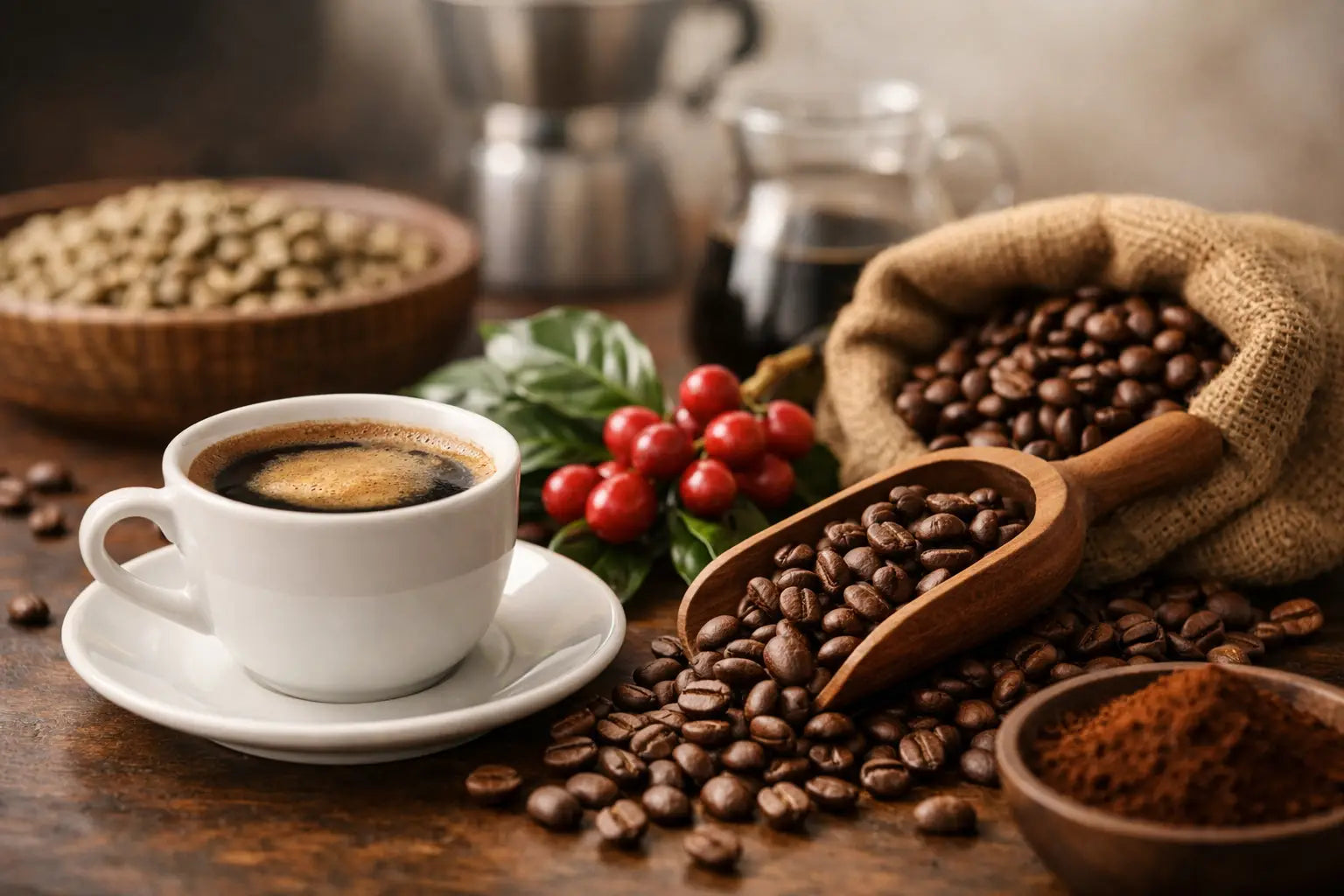
A bag can say “100% Arabica” and still leave you with a flat, bitter, forgettable cup. Arabica is a species, not a promise of quality. Learning how to buy arabica coffee means looking past the front-label claim and choosing beans for freshness, provenance, roast style, and the way you love to brew.
The reward is more than a better morning. A thoughtfully chosen coffee can turn a quick pause at the kitchen counter into a ritual that feels personal - a familiar aroma, a favorite mug, a few quiet minutes before the day begins. Here is what to look for when you want Arabica coffee worth slowing down for.
How to Buy Arabica Coffee Without Guesswork
Start by treating the product description as part of the coffee itself. Specialty roasters should make it easy to learn where the coffee comes from, when it was roasted, and what flavors you can expect. If the only information on the bag is “Arabica coffee” and a generic roast level, you have very little to judge.
The clearest quality signal is specialty grading. Coffee evaluated at 80 points or higher on the 100-point scale is considered specialty coffee. A Q-grade score of 84+ is an especially meaningful marker: it tells you the coffee has been assessed for cup quality by trained professionals and has met a high standard for cleanliness, sweetness, complexity, and consistency.
That score will not dictate your personal favorite. Someone who loves chocolatey espresso may not prefer the same coffee as a pour-over drinker seeking jasmine and citrus. But it does give you a stronger starting point than “premium” or “gourmet,” terms that are often used loosely.
Look for a Clear Origin Story
Origin affects flavor in the same way grape variety and place affect wine. High-altitude Arabica grown in Ethiopia may bring floral fragrance, berry-like sweetness, or tea-like body. A washed Colombian coffee may feel balanced and caramel-forward. Coffees from Brazil often lean nutty, chocolatey, and smooth, while a bright Kenyan lot can deliver black currant, grapefruit, and lively acidity.
Single origin means the beans come from one country or defined growing area, rather than being combined from multiple origins. It is a great choice when you want to experience a place through the cup and notice distinct flavor notes. Look for details beyond a country name when available, such as region, farm, cooperative, variety, elevation, or producer. Specificity usually signals a more traceable supply chain and a roaster that knows the coffee well.
Blends deserve a place in your cart, too. A carefully developed blend can be more consistent from season to season and especially satisfying in espresso or milk drinks. Choose single origin when you want discovery; choose a blend when you want a dependable house cup. Neither is automatically better.
Pay Attention to Processing, Not Just Place
Processing describes how the fruit is removed from the coffee seed after harvest. It has a major influence on the finished flavor.
Washed coffees generally taste clean, crisp, and defined. They are often an easy fit for people who enjoy balanced cups, clear acidity, and classic flavor structure. Natural-process coffees dry inside the fruit before milling, which can create fuller body and fruit-forward notes such as blueberry, strawberry, or tropical fruit. Honey and other experimental processes can sit between those styles, offering sweetness and texture with varying degrees of fruit intensity.
There is no universally superior process. If you prefer a comforting, straightforward cup with breakfast, washed coffee is often a wise first pick. If your coffee ritual is about trying something surprising, a natural or carefully processed lot can awaken your palate. Read flavor notes as a useful direction, not a guarantee: “chocolate, cherry, brown sugar” describes what the roaster found in the cup, not added ingredients.
Freshness Is the Detail That Changes Everything
Coffee is at its most expressive after roasting, not after sitting on a shelf for months. Look for a printed roast date, rather than relying on a distant best-by date. Freshly roasted beans typically begin brewing beautifully after a short rest, then remain at their best for several weeks when stored properly.
For filter coffee, many people enjoy beans around 5 to 21 days off roast. Espresso can benefit from a little more rest, often 7 to 14 days or longer, depending on the coffee and roast profile. These are useful ranges, not hard rules. The point is to buy from a roaster that provides recent roast dates and ships in a timeframe that lets you enjoy the coffee while its character is still vivid.
Be realistic about how much coffee your household drinks. A large bag can look like a bargain, but it is not a value if half of it goes stale before you reach it. For one daily drinker, a smaller bag bought more often is usually the more delicious choice. Subscriptions can make this easy by delivering coffee at a cadence that matches your actual routine.
Choose the Roast for Your Brewer and Taste
Light, medium, and dark roasts are useful shorthand, but they are not perfectly standardized. One roaster’s medium may be another’s medium-dark. Use the roast description alongside the flavor notes and intended brew method.
Light roasts tend to preserve more of the coffee’s origin character. They can be lively, floral, juicy, and complex, particularly when brewed as pour-over or drip. They also demand more precision in grinding and extraction, so they may feel less forgiving for a new home brewer.
Medium roasts often offer the broadest appeal. They can balance sweetness, fruit, acidity, and body while working well in drip machines, French presses, and many espresso setups. If you are unsure where to begin, medium roast specialty Arabica is a dependable place to start.
Darker roasts emphasize roast-developed flavors such as cocoa, toasted nuts, and deeper caramel. They can create a fuller, more familiar cup and stand up well to milk. The trade-off is that delicate origin notes become less noticeable. If you love a bold cappuccino, that may be exactly what you want.
Buy Whole Bean When You Can
Grinding coffee shortly before brewing protects volatile aromas and gives you more control over extraction. Whole bean coffee is the best choice if you own a burr grinder, even an entry-level one. Match your grind size to your brewer: coarse for French press, medium for drip, medium-fine for pour-over, and fine for espresso.
Pre-ground coffee is still a practical option, especially for gifting, travel, office use, or busy mornings. Just choose the grind specifically prepared for your brewing method and buy an amount you will finish promptly. Convenience matters because the best coffee is the coffee you will genuinely make and enjoy.
Avoid buying beans based on appearance alone. Oily beans are not always fresher or higher quality; visible oil often indicates a darker roast. Likewise, extremely dark beans may suit your taste perfectly, but their shine is not proof of specialty quality.
Consider Sourcing as Part of the Flavor
Ethical sourcing is not separate from great coffee. Long-term relationships with dedicated growers, fairer purchasing practices, and careful lot selection support the people doing the hardest work in coffee: cultivating and harvesting it. They also encourage the consistency and attention to detail that show up in your cup.
When shopping online, look for roasters that communicate their sourcing standards in plain language rather than hiding behind vague claims. Information about producer relationships, traceability, organic certification where applicable, or responsible purchasing practices helps you spend with more confidence.
At House Coffee, small-batch roasting, specialty-grade Arabica, and thoughtfully sourced origins are selected with this connection in mind - bringing café-worthy character to the moments you create at home.
Store Your Coffee Simply
Once your coffee arrives, keep it in an airtight container or its resealable valve bag, away from heat, direct sunlight, moisture, and strong odors. A cool cabinet is better than the refrigerator, where condensation and food aromas can compromise the beans. Freezing can work for longer storage if coffee is sealed in small, airtight portions, but for a bag you open every day, a dark cupboard is usually all you need.
Do not chase an endless list of tasting notes or assume the most expensive coffee must be the best one for you. Buy one fresh bag with clear sourcing, a roast style that matches your brewer, and flavors that sound genuinely appealing. Brew it with care, share it if you can, and pay attention to the cup. Your own taste is the most valuable guide you have - and every good bag gives you another chance to create a cherished moment.