Why Small Batch Arabica Coffee Tastes So Alive
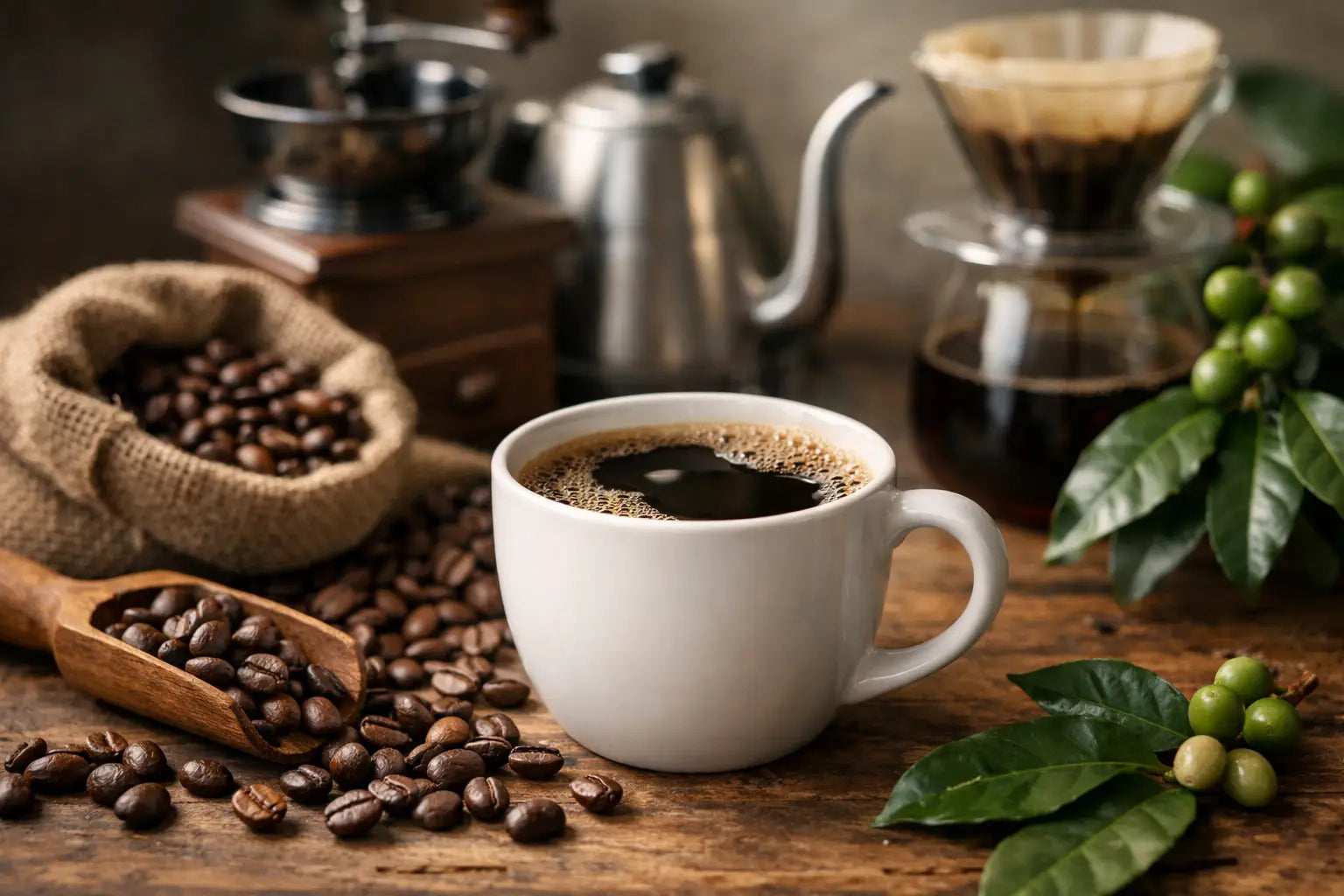
The moment you open a truly fresh bag of small batch arabica coffee, the difference is immediate. Sweet aromatics rise before the kettle boils: brown sugar, citrus, cocoa, jasmine, toasted nuts, or ripe fruit, depending on where the coffee was grown. That fragrance is not a marketing flourish. It is a sign that the beans were roasted with care and have arrived while their character is still present.
For many of us, coffee is the first quiet ritual of the day and the drink we put on when people gather around the kitchen table. Choosing better coffee is not about making a morning routine complicated. It is about giving that small daily moment the attention it deserves.
What Small Batch Arabica Coffee Really Means
Arabica is the species behind much of the world’s most celebrated coffee. Compared with the hardier, higher-caffeine robusta species, Arabica generally offers more aromatic complexity, brighter acidity, and a broader range of sweetness. It can taste like caramel and chocolate, or like peach, florals, and tea. But Arabica alone is not a guarantee of exceptional coffee.
Growing altitude, soil, climate, harvesting practices, processing, storage, and roasting all shape what reaches your cup. Specialty Arabica begins with attentive work at origin. The best lots are carefully picked, sorted, processed, and evaluated for clean, distinctive flavor. A Q-grade score of 84 or higher is one helpful signal that a coffee has met a high specialty standard, though the cup itself should always be the final measure.
“Small batch” refers to how coffee is roasted. Rather than moving massive volumes through a production line with one broad profile, a roaster works with more manageable quantities and watches each roast closely. This makes it easier to respond to the bean’s density, moisture, size, and intended flavor profile.
That precision matters because coffee is never static. A washed Ethiopian coffee may need a different approach than a naturally processed coffee from Brazil, and a dense high-altitude Colombian lot may behave differently from either one. Small-batch roasting leaves room for those differences instead of flattening them.
Why Small-Batch Roasting Changes the Cup
The goal of roasting is not to cover a bean’s identity. It is to develop sweetness, create balance, and make the coffee soluble enough to brew beautifully. When done well, the roast supports the flavors created by the grower and the land.
In a small batch, the roaster can monitor the changes that occur as beans move from grassy and green to fragrant and golden, then through the crucial stages where sugars brown and acids transform. A few seconds can affect whether a coffee tastes lively and rounded or dull and overly smoky. This attention is especially valuable for single origin coffee, where the point is to experience a place rather than a generic roast flavor.
Freshness is another meaningful advantage. Coffee releases carbon dioxide after roasting, and that process helps carry aroma and flavor to your senses. It needs a short resting period to settle, particularly for espresso, but it does not benefit from sitting for months in a warehouse. Freshly roasted coffee tends to give home brewers a fuller fragrance, more expressive flavor, and a more satisfying bloom when hot water meets the grounds.
There is a trade-off. Small-batch coffee is not designed to be identical forever. Seasonal harvests change, and an ethical roaster may rotate offerings as a particular lot sells through. That is part of the pleasure. You can return to a comforting chocolate-forward blend when you want familiarity, then try a single origin when you want to taste what makes one region distinct.
Flavor Begins at Origin
Coffee is an agricultural product, and origin is more than a label on a bag. It is a story of elevation, variety, climate, and craft.
Beans from Central America often bring a balanced profile with cocoa, citrus, and a gentle sweetness that feels easy to return to each morning. Colombian coffees can range from caramel-rich and nutty to bright and stone-fruit driven. Ethiopian coffees may offer fragrant florals, berry notes, and tea-like clarity. A coffee from Sumatra can be deeper and earthier, with a syrupy body that shines in a French press.
Processing adds another layer. Washed coffees often taste clean and transparent, making them a lovely choice for pour-over drinkers who enjoy crisp flavor definition. Natural processed coffees dry inside their fruit, which can create fuller body and ripe fruit character. Honey processed coffees sit somewhere in between, often combining sweetness with a more polished cup.
None of these styles is objectively best. If you make milk drinks most mornings, you may prefer a medium or medium-dark Arabica coffee with enough body to stay present beside milk. If you brew black coffee and enjoy nuance, a lighter medium roast single origin can reveal more delicate notes. The right choice is the one that makes you look forward to the next cup.
How to Choose Coffee That Fits Your Routine
Start with the brewer you actually use, not the one you hope to use someday. An espresso machine rewards coffee with sweetness, body, and a stable extraction profile. A drip machine often favors balanced medium roasts that remain pleasant as they cool. For pour-over, look for coffees described with clear fruit, floral, citrus, or tea-like notes if you enjoy a brighter cup. A French press is especially kind to coffees with chocolate, nut, spice, and a rich mouthfeel.
Roast level matters, but it should not be treated as a flavor shortcut. Light roasts can be wonderfully sweet and expressive when brewed carefully, yet they may require a finer grind, hotter water, or more patience to avoid sourness. Darker roasts can feel familiar and bold, but very dark roasting can hide a coffee’s origin and create bitterness. For many home brewers, medium and medium-dark roasts offer a generous middle ground: developed sweetness, approachable body, and enough personality to keep the cup interesting.
Look for practical details, too. A roast date is more useful than a vague best-by date. Whole beans preserve flavor longer than pre-ground coffee, so grind shortly before brewing when possible. Store the bag sealed in a cool, dry cabinet, away from sunlight and strong odors. The refrigerator and freezer are usually unnecessary for coffee you will finish within a few weeks, since condensation and repeated temperature shifts can work against freshness.
Brew It Like It Matters
Premium beans deserve a little consistency, not perfection. The biggest improvement most home brewers can make is using enough coffee. A dependable starting point is a 1:16 ratio: 1 gram of coffee for every 16 grams of water. For an 8-ounce cup, that is roughly 15 grams of coffee to 240 grams of water. Adjust from there for a stronger or lighter result.
Use filtered water if your tap water has a strong taste. Heat it just off the boil for most filter coffee, and give freshly roasted grounds a brief bloom before continuing your pour. That first splash of water releases trapped gas and helps water reach the coffee evenly. If your cup tastes sour and thin, grind a little finer or extend contact time. If it tastes bitter or drying, grind a little coarser or shorten the brew.
Most of all, taste with curiosity. Coffee notes are not a test you can fail. If a bag suggests apricot and cacao but you taste honey and orange, that is still a real experience. Your palate is learning what it enjoys, one cup at a time.
A Better Coffee Ritual Starts Close to Home
Small batch Arabica coffee brings together many quiet acts of care: growers tending a crop, producers processing ripe cherries, roasters paying attention to each curve of heat, and you taking a minute to make a cup rather than merely grab one. At House Coffee, that connection is part of what makes specialty coffee feel at home, whether you are brewing for yourself or setting out mugs for people you love.
Keep a coffee you trust in the cupboard, try an origin that feels new when the mood strikes, and give yourself the few unhurried minutes it takes to brew it well. Some of the best cherished moments begin with nothing more complicated than fresh coffee, warm hands, and someone to share it with.