What Makes Coffee Specialty Grade?
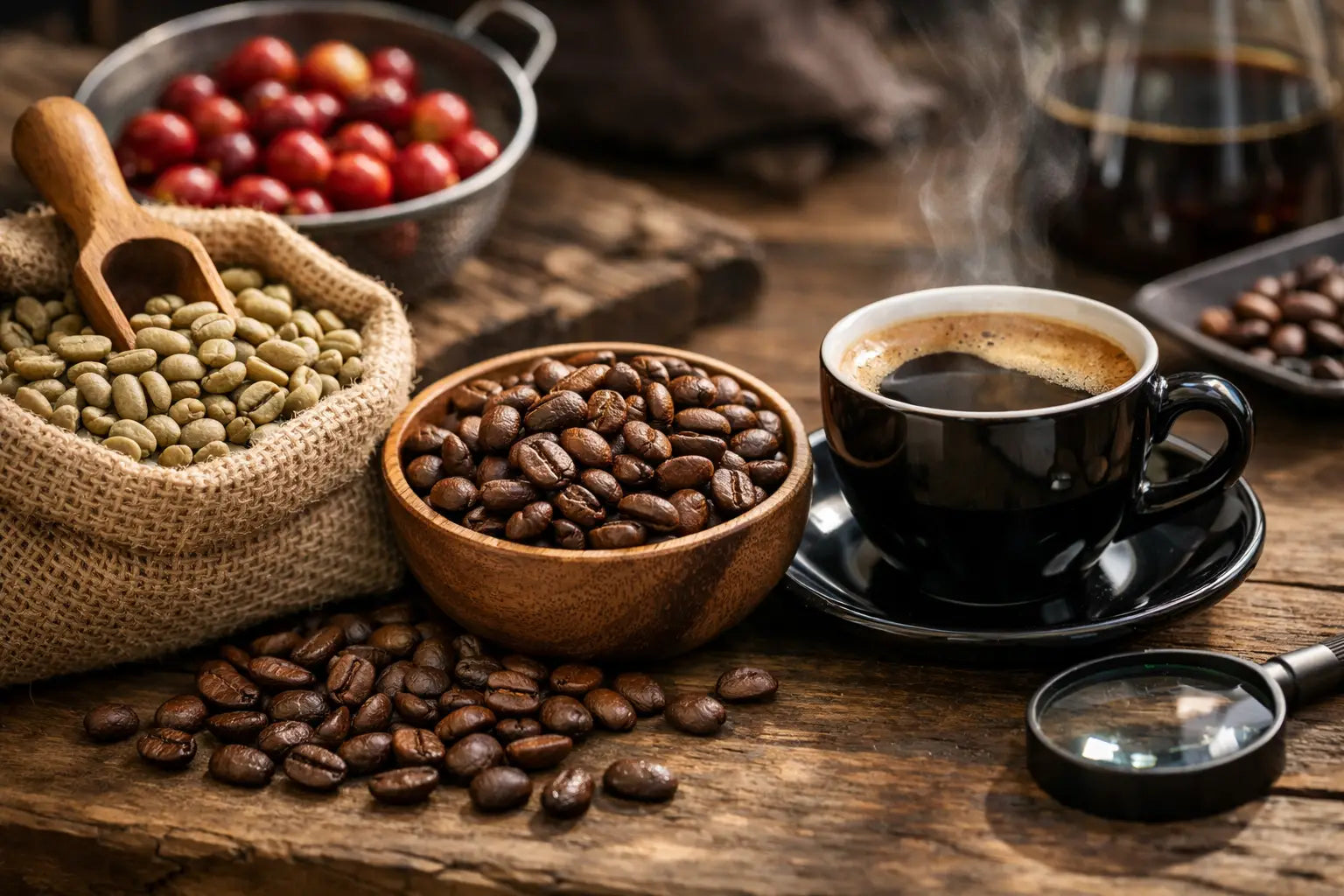
A bag labeled “specialty” should mean more than a nicer design and a higher price. If you are spending more for your morning ritual, you deserve to know exactly what makes coffee specialty grade and why that difference shows up in the cup.
At its best, specialty coffee feels personal. It is the comfort of a familiar brew at home, the small pause before a busy day, and the satisfaction of tasting something clearly crafted rather than mass-produced. But behind that warm experience is a very real set of standards that separates specialty-grade coffee from ordinary commercial coffee.
What makes coffee specialty grade in the first place?
Specialty-grade coffee is not defined by branding alone. In the coffee industry, the term refers to green coffee that scores 80 points or above on a 100-point scale when evaluated by certified professionals. Those evaluations look at aroma, flavor, acidity, body, balance, sweetness, aftertaste, and the absence of defects.
That score matters because it creates a shared language for quality. A coffee that lands at 84 or 86 is expected to deliver a cleaner, more expressive cup than one that barely reaches 80. You may also hear about Q graders, who are trained and licensed to assess coffee quality through a formal sensory process. Their work helps verify whether a coffee genuinely qualifies as specialty.
Still, the score is only the starting point. A coffee can technically qualify as specialty and taste very different from another coffee with the same score. Origin, variety, processing method, roast development, and freshness all shape what ends up in your mug.
The role of the green coffee score
Before roasting enters the picture, coffee is judged in its raw form. This is where specialty status begins. Green coffee graders examine physical defects first. Beans with too many issues, like severe insect damage, mold, or improper drying, will not make the cut.
Then comes cupping, the standard tasting method used across the industry. During cupping, professionals evaluate fragrance, aroma, flavor clarity, sweetness, acidity, mouthfeel, and overall balance. Specialty coffee should taste clean and distinct. That does not mean every coffee must be bright and fruity. A chocolatey, nutty coffee can absolutely be specialty grade if it is sweet, balanced, and free from unpleasant flavors.
This is one reason the term can be misunderstood. Specialty does not mean rare for the sake of being rare, and it does not always mean intensely experimental. Often, it simply means the coffee is handled with enough care to let its best qualities come through.
Origin matters, but not in a simplistic way
Single origin coffee often appears in conversations about specialty coffee because traceability is a major part of quality. Knowing where a coffee comes from, down to a region, farm, or producer group, helps buyers understand its flavor potential and production standards.
Altitude, climate, soil, and variety all influence taste. A washed Ethiopian coffee may show floral and citrus notes, while a Colombian lot might lean toward caramel, red fruit, or cocoa. A high-grown Central American coffee may offer crisp acidity and clarity that stand out beautifully in pour-over.
But origin alone does not make a coffee specialty grade. A coffee can come from a famous region and still fall short if it is poorly harvested or processed. On the other hand, a carefully produced blend can still be built from specialty-grade components. The key is quality and traceability, not just the label.
Harvesting and processing are where quality can be protected or lost
One of the biggest differences between commercial and specialty coffee happens at origin during harvest. Specialty coffee depends on careful picking, usually with an emphasis on ripe cherries. If underripe and overripe cherries are mixed carelessly, the cup becomes muddled. Sweetness drops, harshness increases, and consistency suffers.
After harvest, processing method plays a major role. Washed coffees tend to highlight clarity and acidity. Natural coffees can bring more fruit intensity and heavier body. Honey and other controlled processes can land somewhere in between. None of these methods is automatically better. What matters is whether the coffee was processed skillfully and dried properly.
Poor processing can introduce fermenty, moldy, or sour defects. Great processing can reveal nuance that would otherwise stay hidden. That is one reason specialty coffee often tastes more vivid. The producer is not only growing coffee well but also preserving its potential after picking.
Arabica, defects, and consistency
Most specialty coffee is Arabica, and for good reason. Arabica generally offers more nuanced flavor potential than Robusta, especially when grown at higher elevations and handled with care. That does not mean every Arabica coffee is specialty. It simply means the category leans heavily toward the species most capable of producing layered, elegant cups.
Defect count also matters more than many home brewers realize. Specialty-grade green coffee must meet strict standards for primary and secondary defects. Too many broken, black, sour, or damaged beans lower quality fast. Even before brewing, those defects can signal trouble.
Consistency is another hallmark. Specialty coffee should not taste amazing one week and flat the next because quality control was missing. Reliable sorting, stable moisture levels, and careful storage help preserve what made the coffee special to begin with.
Roasting can reveal quality or cover it up
A great green coffee still needs a thoughtful roast. Roasting is where craftsmanship becomes obvious. The goal is not to force every coffee into the same flavor profile. It is to develop the bean in a way that highlights its natural character.
In lower-grade commercial coffee, darker roasting is often used to mask defects or flatten inconsistency. With specialty coffee, roasting is usually more precise. That does not always mean light roast. It means intentional roast development that respects sweetness, structure, and clarity.
For some coffees, a lighter approach brings out floral notes and sparkling acidity. For others, a medium roast may create a fuller, more comforting cup with chocolate, toasted nut, or brown sugar notes. It depends on the coffee and on how people actually want to brew and enjoy it at home.
Fresh roasting matters too. Coffee is an agricultural product, not a shelf-stable afterthought. Once roasted, it begins to change. A fresh, small-batch roast has a better chance of expressing the work that happened at the farm and in the roastery. That is part of why premium specialty coffee often feels more alive in the cup.
What specialty coffee should taste like
If you are wondering whether you can taste the difference, the answer is usually yes. Specialty-grade coffee tends to show more sweetness, better balance, and clearer flavor definition. Instead of tasting generically bitter or burnt, it gives you identifiable notes and a cleaner finish.
That said, specialty coffee is not one flavor category. Some people love berry-forward naturals. Others want a dependable, velvety cup with cocoa and caramel every morning. Both can be specialty if the coffee is high quality and the flavors are well expressed.
This is where personal preference enters the conversation. The industry can tell you a coffee is specialty grade. It cannot tell you which profile will feel most comforting in your kitchen on a quiet morning. Quality and preference work together, not against each other.
Ethical sourcing is not the grading standard, but it still matters
Strictly speaking, ethical sourcing is not what determines whether a coffee is specialty grade. The official classification centers on physical quality and sensory score. But in practice, the best specialty coffee businesses care deeply about producer relationships, transparency, and sustainability.
That is because quality is rarely accidental. Farmers who are paid fairly and partnered with consistently are better positioned to invest in harvesting, processing, and long-term farm health. Ethical sourcing and cup quality are different ideas, but they often support each other.
For coffee drinkers, this matters beyond principles alone. When you buy coffee with traceability and care behind it, you are more likely to get freshness, consistency, and a story you can trust. The cup feels better because the chain behind it is stronger.
What makes coffee specialty grade for home brewers?
For home brewers, the simplest answer is this: specialty-grade coffee gives you more to work with. Better raw coffee, better roasting, and better freshness create a cup with more character and fewer unpleasant surprises.
You do not need competition-level brewing skills to notice the difference. Even with a simple drip machine or French press, specialty coffee often tastes sweeter, cleaner, and more expressive than supermarket coffee that has been sitting for months. If you use a pour-over, AeroPress, or espresso machine, that extra quality becomes even easier to see.
It also means your everyday coffee ritual can feel more intentional. A well-sourced single origin or carefully built blend brings something generous to the table - comfort, clarity, and a little more beauty in the middle of ordinary life. That is part of what makes specialty coffee worth seeking out.
When you choose coffee that has earned its quality through scoring, sourcing, roasting, and freshness, you are not just buying a premium label. You are bringing home a better experience, one cup at a time.