How growers elevate specialty coffee quality and ethics
TL;DR:
- Growers play a crucial role in achieving specialty coffee quality through precise cultivation and processing.
- Sustainable and innovative practices, supported by transparency and direct relationships, are vital for growers’ resilience.
- Economic challenges and lack of capital limit growers’ ability to invest in quality and sustainability initiatives.
Most coffee drinkers think the magic happens at the roaster or behind the espresso machine. The truth is far more interesting. Long before a barista pulls your shot, a grower has already made hundreds of decisions that determine whether your cup tastes extraordinary or forgettable. From choosing the right Arabica variety to managing soil health at high altitude, growers are the original architects of flavor. This article unpacks exactly how growers shape specialty coffee quality, drive ethical sourcing, and navigate the real economic pressures that most enthusiasts never see.
Table of Contents
- Defining specialty coffee and the grower’s role
- From farm to flavor: cultivation and processing innovations
- Ethical growing and sustainability in the specialty supply chain
- Economic realities: risks, rewards, and specialty coffee market
- What most articles miss about specialty coffee growers
- Explore specialty coffees and support ethical growers
- Frequently asked questions
Key Takeaways
| Point | Details |
|---|---|
| Growers drive specialty quality | Meticulous farming and harvesting choices by growers are the foundation of specialty coffee excellence. |
| Flavor starts on the farm | Processing innovations and regional techniques led by growers determine each coffee’s unique taste. |
| Sustainability and ethics matter | Certifications and regenerative methods benefit growers and differentiate their coffees in the market. |
| Specialty coffee faces economic risks | Growers benefit from premiums but also face high costs and uncertain returns in a challenging market. |
Defining specialty coffee and the grower’s role
Not all coffee is created equal, and the gap between specialty and conventional starts at the farm. Specialty coffee must score 80 or above on the Specialty Coffee Association (SCA) scale, a rigorous 100-point system that evaluates aroma, flavor, aftertaste, acidity, body, and uniformity. Reaching that threshold is not a matter of luck. It demands near-perfect execution at every stage of cultivation.
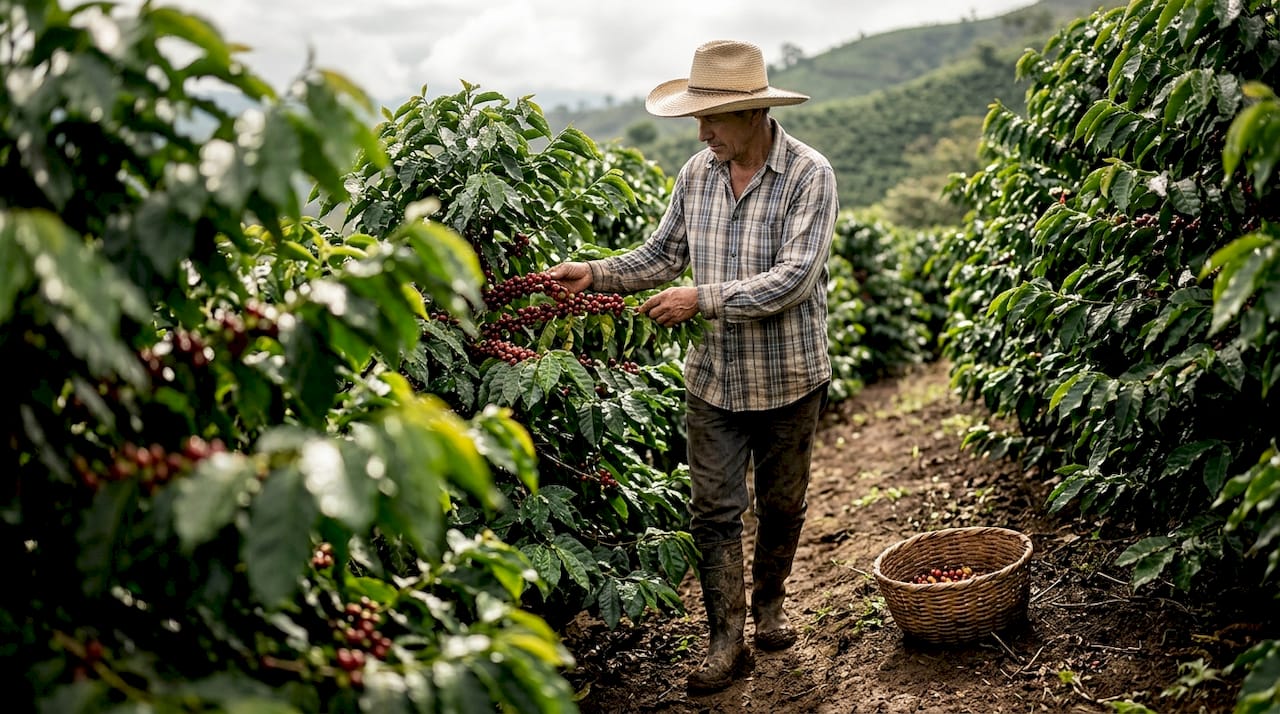
Growers cultivate high-quality Arabica varieties using precise agricultural practices including optimal elevation, soil management, fertilization, pruning, pest control, and selective harvesting to achieve that 80+ score. Each of those variables is a lever. Pull the wrong one, and the cup score drops below specialty grade. Get them all right, and you have something worth celebrating.
Arabica is the dominant species in specialty coffee, and Arabica quality research confirms that genetic variety, growing altitude, and processing all interact to produce the complex flavor compounds that enthusiasts prize. Elevation alone is a major factor. Higher altitudes slow bean development, allowing sugars to concentrate and acidity to sharpen in ways that lower-grown beans simply cannot replicate.
Here is a quick comparison of what separates specialty from conventional coffee production:
| Factor | Specialty coffee | Conventional coffee |
|---|---|---|
| SCA score | 80+ required | Below 80 |
| Harvesting method | Selective hand-picking | Strip or machine harvesting |
| Defect tolerance | Near zero | Higher tolerance |
| Variety focus | Single-origin Arabica | Mixed or Robusta blends |
| Grower involvement | High, hands-on | Lower, volume-focused |
What this table makes clear is that grower involvement is the key differentiator. Conventional coffee prioritizes volume. Specialty coffee prioritizes precision. You can explore the full range of what precision-grown beans look like in our specialty coffee collection.
Key responsibilities growers carry in specialty production include:
- Variety selection: Choosing Arabica cultivars suited to local climate and altitude
- Soil management: Composting, pH monitoring, and fertilization schedules
- Pest and disease control: Protecting crops from coffee leaf rust and berry borer
- Selective harvesting: Picking only ripe cherries, often by hand, multiple times per season
- Innovation: Experimenting with new varieties and processing methods to improve scores
Understanding Arabica beans and coffee quality gives you a clearer picture of why these decisions matter so much to what ends up in your cup.
From farm to flavor: cultivation and processing innovations
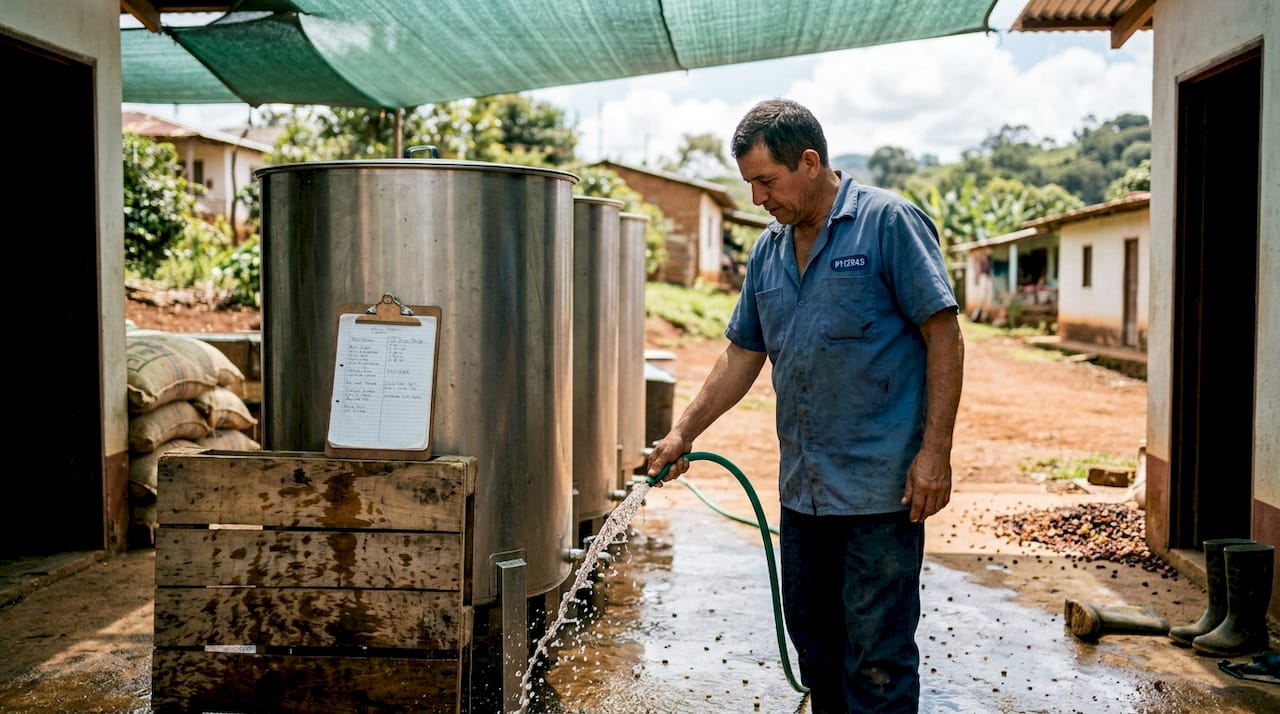
Once cherries are harvested, the grower’s work is far from over. Post-harvest processing is where flavor profiles are shaped, refined, or sometimes completely transformed. Growers employ specialized post-harvest processing methods like washed, honey, natural, and experimental fermentations such as anaerobic and co-fermentation to develop unique flavor profiles.
Each method produces a distinctly different result in the cup:
| Processing method | Flavor impact | Common regions |
|---|---|---|
| Washed | Clean, bright, high acidity | Ethiopia, Kenya, Colombia |
| Natural | Fruity, wine-like, heavy body | Brazil, Ethiopia |
| Honey | Balanced sweetness, medium body | Costa Rica, El Salvador |
| Anaerobic | Intense, complex, experimental | Global specialty farms |
Brazil dominates natural processing, producing coffees with rich chocolate and berry notes that have made the country a global leader in specialty volume. Costa Rica took a different path. The country pioneered the micro-mill revolution, where individual farms invested in their own small-scale processing equipment. This gave growers direct control over fermentation and drying, leading to processing methods in America that are now studied and replicated worldwide.
Terroir, a term borrowed from wine, refers to the combined effect of soil, climate, altitude, and geography on flavor. In coffee, terroir is real and measurable. A washed Ethiopian Yirgacheffe from 2,000 meters elevation will taste nothing like a natural Brazilian Cerrado from 1,000 meters, even if both score above 85. Growers who understand their terroir can lean into it, selecting processing methods that amplify rather than mask what the land naturally produces.
Experimentation is accelerating. Anaerobic fermentation, where cherries ferment in sealed, oxygen-free tanks, produces flavors that were unimaginable in specialty coffee a decade ago. Some lots now show notes of tropical fruit, kombucha, or even red wine. Understanding how origin shapes flavor helps you connect these innovations to what you taste in the cup.
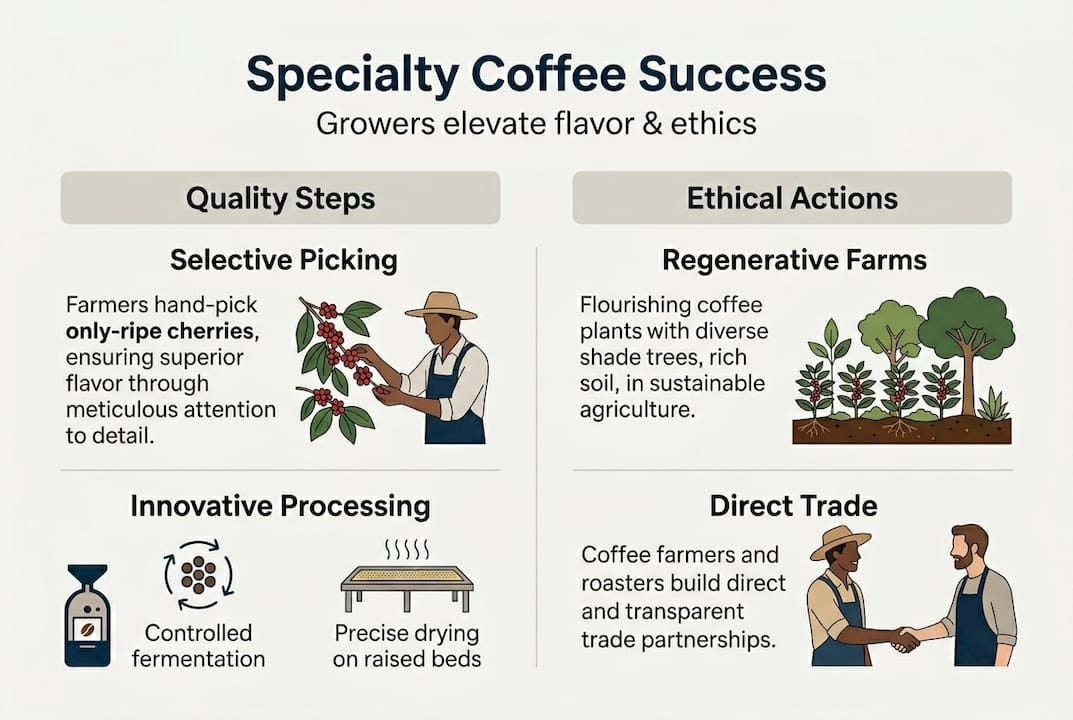
Pro Tip: If you want to understand a grower’s skill level, look at the consistency of their harvest. Selective picking, where only ripe red cherries are chosen, requires multiple passes through the same tree over weeks. Farms that invest in this labor-intensive approach almost always produce more consistent cup scores.
For a deeper breakdown of how all these variables interact, our coffee flavor profile guide is worth reading before your next brew session.
Ethical growing and sustainability in the specialty supply chain
Flavor and quality matter, but so does how the coffee was grown. Growers invest in certifications and sustainable practices like regenerative agriculture, agroforestry, and low-carbon methods to ensure ethical sourcing and market differentiation.
Here is what the most common certifications actually mean for growers and buyers:
- Rainforest Alliance: Focuses on biodiversity, ecosystem protection, and worker welfare. Strong on environmental standards but criticized for allowing blending of certified and uncertified lots.
- Fair Trade: Sets minimum price floors and community investment requirements. Helps smallholders but has faced scrutiny over whether premiums reach individual farmers.
- Organic: Prohibits synthetic pesticides and fertilizers. Improves soil health long-term but requires a three-year transition period with no premium income.
- Direct Trade: Not a formal certification, but a buyer-grower relationship that often delivers higher prices and more transparency than any label.
Beyond certifications, many growers are adopting regenerative agriculture. This goes further than organic by actively rebuilding soil health, increasing carbon sequestration, and restoring biodiversity. Shade-grown coffee, where trees are planted alongside coffee plants, is one of the most effective regenerative methods. It reduces soil erosion, provides habitat for migratory birds, and naturally regulates temperature for slower, more complex bean development.
“Growers are pivotal in specialty coffee. They require support for innovation and sustainability to maintain the quality and ethical standards that the market increasingly demands.”
The challenge is real. Transitioning to regenerative practices requires upfront investment and carries short-term yield risk. A grower switching to agroforestry may see reduced harvests for two or three years before the system stabilizes. Our guide on ethical coffee sourcing explained breaks down how buyers can support growers through these transitions rather than simply demanding certifications. For a broader view, our eco-friendly coffee sourcing guide covers the full landscape of sustainable practices now shaping the industry.
Economic realities: risks, rewards, and specialty coffee market
Specialty coffee commands premium prices, but the economics for growers are more complicated than a higher price tag suggests. The average specialty price in Brazil sits around USD 4.43 per kilogram, and direct trade relationships can push that higher. But premiums do not always guarantee a living income, especially when quality fails or demand shifts.
Only 10% of global coffee reaches specialty grade, and maintaining that status year after year is genuinely difficult. Costa Rica, once a model for specialty production, has seen its number of active coffee growers cut nearly in half over the past two decades.
The economic pressures stacking up against growers are significant:
- High production costs: Selective harvesting, processing equipment, and certification fees are expensive relative to farm income
- Aging workforce: The average coffee farmer in Latin America is over 50 years old, and succession is uncertain
- Climate risk: Shifting rainfall patterns and rising temperatures are disrupting traditional growing seasons
- Youth exodus: Younger generations are leaving rural farming communities for urban opportunities
- Volatile demand: Specialty buyers can be fickle, and a single bad harvest can end a long-term relationship
Pro Tip: Growers who build direct relationships with multiple roasters and diversify across processing methods are far more resilient than those relying on a single buyer or certification premium. Diversification is not just a financial strategy. It is a survival strategy.
The role of growers in specialty coffee is often romanticized in marketing materials. The reality involves razor-thin margins, climate uncertainty, and generational workforce challenges that no certification label can solve on its own. Transparency reports from roasters, like those published by leading specialty importers, are one of the few tools buyers have to verify that premium prices are actually reaching farms. You can explore how these economics connect to sourcing decisions in our specialty coffee selection.
What most articles miss about specialty coffee growers
Here is the uncomfortable truth: the specialty coffee industry celebrates certifications far more than it celebrates the growers who innovate without them. A Rainforest Alliance logo is easy to put on a bag. Explaining that a farmer in Huila, Colombia spent three years experimenting with anaerobic fermentation to develop a new flavor profile is harder to market, but far more meaningful.
The real bottleneck in specialty coffee is not ethics or scoring standards. It is capital. Growers who want to invest in micro-mills, experiment with processing, or transition to regenerative agriculture need financial support that certifications alone do not provide. Direct trade relationships, advance purchase agreements, and genuine buyer investment in farm infrastructure are what actually move the needle.
As enthusiasts, the most powerful thing you can do is demand transparency. Ask where your coffee comes from, not just which country but which farm, which farmer, which processing method. Support roasters who publish deeper information about Arabica sourcing and pay above-market prices. Growers’ adaptability and willingness to innovate are what define the future of specialty coffee, not the labels on the bag.
Explore specialty coffees and support ethical growers
Every cup you choose is a vote for the kind of coffee system you want to support. When you buy from growers who invest in quality, sustainability, and innovation, you make that work economically viable.
At House Coffee, we source directly from growers who meet the standards this article describes: rigorous cultivation, ethical practices, and a commitment to flavor that starts long before roasting. Browse our specialty coffee collection to find single-origin Arabica beans with full origin stories. If you want to learn more about what sets specialty apart, visit our specialty coffee page. For something truly exceptional, our gold collection features the finest grower-driven lots we carry.
Frequently asked questions
What makes coffee ‘specialty’ and how do growers impact it?
Specialty coffee scores 80+ on SCA scales and growers achieve this through careful variety selection, precise cultivation practices, and controlled post-harvest processing. Without grower-level precision, no roaster or barista can recover the score.
Which processing methods do specialty coffee growers use to enhance flavors?
Growers use washed, honey, natural, and experimental fermentation methods like anaerobic processing to create distinct flavor profiles. Each method interacts differently with the bean’s natural sugars and acids to shape what ends up in your cup.
How do certifications and sustainable techniques benefit growers?
Certifications and regenerative and agroforestry methods help growers access premium markets, improve traceability, and build long-term resilience. The trade-off is significant upfront investment and a transition period before financial returns materialize.
What economic challenges do specialty coffee growers face?
Growers face high production costs, climate risks, an aging workforce, and premium prices that do not always cover a living income. These pressures explain why only 10% of global coffee ever reaches specialty grade.
Recommended
-
Posted in
en, role of growers in specialty coffee