Why join coffee subscriptions for premium, ethical coffee

Most supermarket coffee sits on shelves for months before reaching your cup, losing flavor and freshness with every passing day. Worse, many brands obscure their sourcing practices, leaving you uncertain whether farmers received fair compensation or if sustainable methods were used. Coffee subscriptions flip this model entirely by delivering freshly roasted beans within 2-7 days and prioritizing transparent, ethical sourcing through direct trade relationships. This guide explores why subscriptions offer superior taste, support farming communities fairly, and provide the flexibility to match your consumption habits while avoiding common pitfalls like inventory buildup.
Table of Contents
- Key takeaways
- What makes coffee subscriptions stand out
- How personalization and flexibility enhance your experience
- Navigating potential challenges and making the most of subscriptions
- Ethical sourcing and direct trade: the real impact behind your cup
- Discover premium, ethically sourced coffees with House Coffee
- Frequently asked questions about coffee subscriptions
Key Takeaways
| Point | Details |
|---|---|
| Freshness edge | Subscriptions deliver roasted beans within 2 to 7 days of roasting to preserve aroma and flavor. |
| Ethical sourcing | Direct trade and transparent relationships help ensure fair pay to farmers and sustainable farming practices. |
| Single origin Arabica | Subscriptions emphasize single origin Arabica beans with distinct regional flavor profiles. |
| Personalization options | Flexible plans tailor selections to your taste, consumption rate, and schedule. |
| Pitfall awareness | Be mindful of inventory buildup and inflexible service that can undermine convenience and satisfaction. |
What makes coffee subscriptions stand out
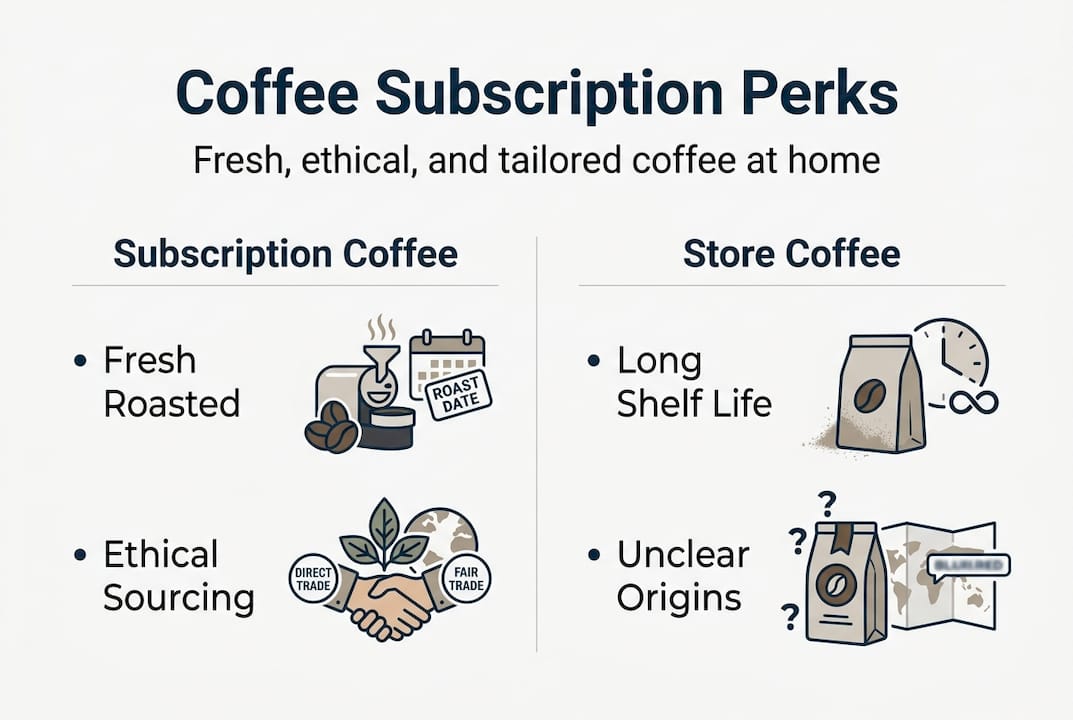
Subscription services revolutionize how you experience coffee by eliminating the staleness problem plaguing grocery store shelves. When you order from a subscription, roasters typically prepare your beans fresh to order or within days of roasting, ensuring you receive coffee at its flavor peak within 2-7 days. This timing matters because coffee begins losing volatile aromatic compounds immediately after roasting, with noticeable degradation starting around two weeks. Supermarket bags often sit in warehouses and on shelves for months, arriving at your home well past their prime.
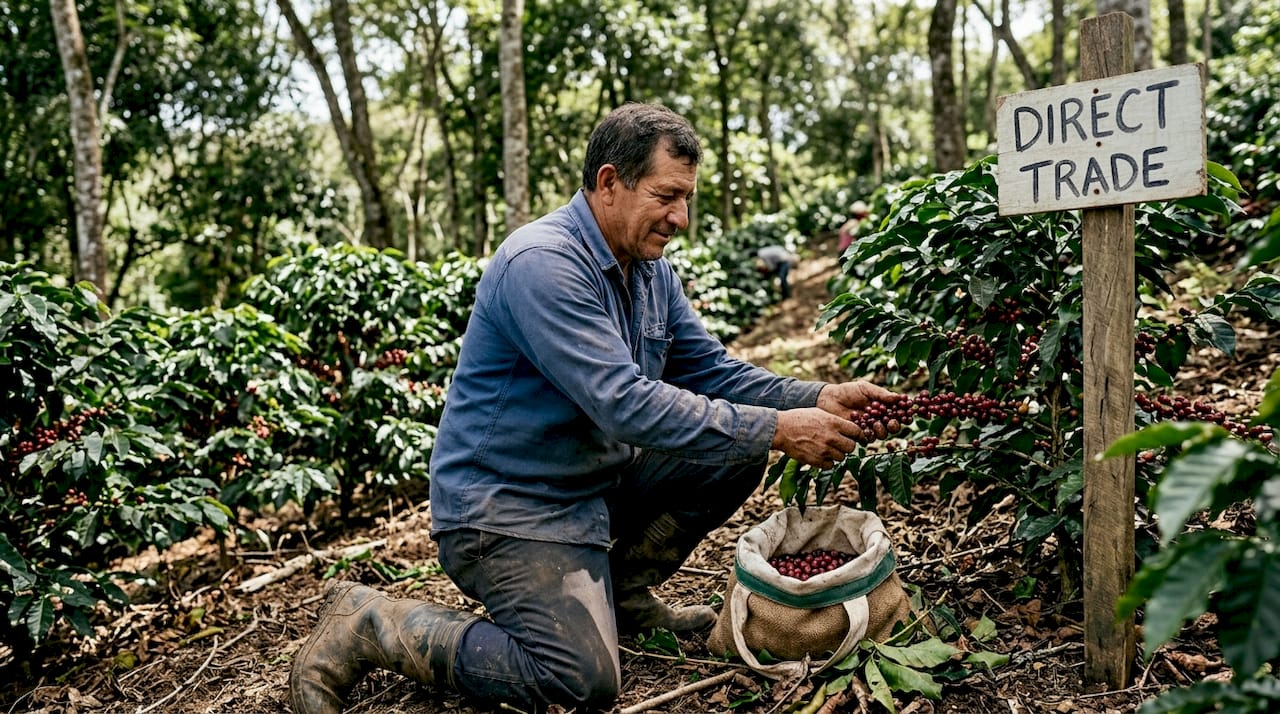
Beyond freshness, subscriptions prioritize premium, ethically sourced coffee through direct trade and relationship-based sourcing models. These approaches ensure farmers receive compensation well above commodity prices while supporting sustainable agricultural practices that protect ecosystems. Direct trade creates transparency that certifications alone cannot guarantee, with roasters often visiting farms personally and maintaining long-term partnerships. This contrasts sharply with mass-market coffee, where supply chains remain opaque and farmers frequently receive poverty-level wages despite producing exceptional beans.
The quality difference becomes immediately apparent in your cup. Subscription coffees typically feature single-origin Arabica varieties with distinct flavor profiles reflecting their terroir, processing methods, and varietal characteristics. You might taste bright citrus notes from Ethiopian Yirgacheffe, chocolatey richness from Colombian beans, or floral complexity from Kenyan coffees. Supermarket blends, designed for consistency and cost efficiency, flatten these nuances into generic profiles that prioritize inoffensive mediocrity over memorable excellence.
How subscriptions outperform supermarket coffee:
- Roasted fresh to order versus sitting on shelves for months losing flavor
- Direct relationships with farmers ensuring fair pay and sustainability
- Single-origin Arabica beans showcasing unique regional characteristics
- Full transparency on sourcing, processing, and roasting dates
- Access to limited microlots and experimental processing methods
- Expert curation matching beans to your taste preferences
Pro Tip: Check roast dates on your subscription bags and brew within three weeks of roasting for optimal flavor extraction and aroma preservation.
“Ethical sourcing goes beyond certifications to encompass transparent relationships where roasters visit farms, understand growing conditions, and pay premiums that directly benefit farming communities while supporting environmental stewardship.”
This commitment to ethical coffee sourcing extends beyond fair wages to include environmental practices like shade-grown cultivation, water conservation, and organic farming methods that protect biodiversity. When you choose subscriptions from roasters practicing these principles, every cup supports a more equitable and sustainable coffee industry. The freshness advantage alone justifies the switch, but knowing your purchase uplifts farming families and ecosystems adds deeper satisfaction to your morning ritual.
How personalization and flexibility enhance your experience
Personalization transforms subscriptions from generic deliveries into tailored experiences matching your exact preferences and consumption patterns. Services offering customization options see 34% higher retention rates compared to one-size-fits-all models because subscribers feel the service adapts to them rather than forcing compromises. You can specify roast levels from light to dark, select origins based on flavor profiles you enjoy, choose grind settings matching your brewing equipment, and adjust delivery frequency to align with actual consumption.
This customization prevents the monotony that drives many subscribers away. Research shows 61% quit within 6 months when services lack variety or fail to evolve with changing tastes. Mid-tier subscriptions priced around $20-25 monthly demonstrate the strongest retention when paired with robust personalization features, suggesting this price point offers optimal value while maintaining quality standards. The flexibility to modify preferences between shipments keeps the experience fresh and exciting rather than becoming another forgotten recurring charge.
However, flexibility extends beyond coffee selection to subscription management itself. Poor checkout experiences and inflexible terms contribute significantly to churn, with 60% canceling within 3 months when services make modifications difficult. Payment failures account for roughly 15% of churn, often resulting from expired cards or billing issues that rigid systems handle poorly. The best subscriptions provide easy pause, skip, and modification options through intuitive dashboards, recognizing that life circumstances change and coffee consumption fluctuates.
Key personalization features that boost satisfaction:
- Roast profile selection from light to dark based on taste preferences
- Origin choices highlighting specific regions or rotating selections
- Grind options matching your brewing method from espresso to French press
- Delivery frequency adjustment from weekly to monthly or custom intervals
- Quantity flexibility to match household consumption patterns
- Easy pause or skip functionality for vacations or inventory management
Common service pain points causing cancellations:
- Monotonous selections without variety or discovery options
- Inflexible delivery schedules leading to inventory buildup
- Complicated modification processes requiring customer service contact
- Poor checkout flows with payment failure handling issues
- Lack of communication about upcoming shipments or changes
Pro Tip: Review your consumption patterns monthly and adjust delivery frequency before inventory accumulates, preventing waste and subscription fatigue that leads to cancellation.
The most successful subscription models balance curation with control, offering expert recommendations while empowering you to steer your experience. This approach acknowledges that coffee preferences evolve as you explore different origins, processing methods, and roast profiles. A subscription that grows with your palate maintains relevance and value over years rather than months. The flexibility to experiment without commitment risk encourages exploration that deepens your appreciation and knowledge, transforming casual consumption into genuine enthusiasm. These personalized experiences also make premium coffee gifts more meaningful when you share discoveries with fellow enthusiasts.
Navigating potential challenges and making the most of subscriptions
Inventory buildup represents the most common frustration subscribers face when delivery frequency outpaces actual consumption. This mismatch occurs because initial estimates rarely account for variable factors like travel, seasonal preference changes, or simply brewing less coffee than anticipated. Bags accumulate in your pantry, creating guilt about waste and financial strain from paying for unused product. The problem compounds when inflexible subscription services make adjustments difficult, forcing you to either accept unwanted deliveries or cancel entirely rather than simply pausing or reducing frequency.
Payment failures create another significant friction point, accounting for approximately 15% of subscription churn. These failures often stem from expired credit cards, insufficient funds, or outdated billing information that subscribers forget to update. Services with poor checkout processes exacerbate this issue by making payment updates cumbersome or failing to send proactive reminders before charges. When a payment fails and the service responds with immediate cancellation rather than grace periods and clear communication, subscribers who intended to continue often don’t return.
Inflexible subscription models that lock you into rigid delivery schedules or make modifications require customer service contact frustrate subscribers accustomed to on-demand control. Modern consumers expect Amazon-level convenience where changes happen instantly through intuitive interfaces. Subscriptions demanding phone calls or email exchanges to pause deliveries feel antiquated and disrespectful of your time. This friction drives cancellations even among satisfied customers who simply need temporary adjustments.
Steps for managing consumption and subscription settings effectively:
- Track your actual coffee consumption for the first month before committing to frequency
- Set calendar reminders to review inventory two weeks before each scheduled delivery
- Use pause or skip features proactively when you anticipate reduced consumption
- Adjust quantity or frequency immediately when you notice accumulation starting
- Update payment information as soon as you receive new cards to prevent failures
- Explore different origins or roasts to maintain interest and prevent monotony
| Plan Type | Flexibility | Customization | Typical Price | Best For |
|---|---|---|---|---|
| Fixed Selection | Low | Minimal | $15-20/month | Budget-conscious, consistent tastes |
| Curated Discovery | Medium | Moderate | $20-25/month | Exploration, trying new origins |
| Fully Customizable | High | Extensive | $25-35/month | Specific preferences, control seekers |
| Premium Microlot | High | Extensive | $35-50/month | Enthusiasts, rare coffees |
Pro Tip: Choose subscriptions offering easy pause, skip, or modify options through mobile apps or web dashboards to avoid waste and maintain control without customer service hassles.
The key to subscription success lies in treating it as a dynamic service requiring occasional attention rather than a set-it-and-forget-it arrangement. Spending five minutes monthly to review your inventory and adjust settings prevents the accumulation and frustration that lead to cancellation. Many services now offer smart features like consumption tracking or predictive delivery adjustments based on your modification patterns, making management even simpler. When you find a subscription that combines quality coffee with operational flexibility, it becomes a genuine convenience rather than another obligation competing for your attention. Understanding eco-friendly coffee sourcing practices also helps you make informed choices when selecting subscription partners aligned with your values.
Ethical sourcing and direct trade: the real impact behind your cup
Direct trade represents a sourcing philosophy prioritizing transparent, relationship-based agreements that benefit farmers substantially more than conventional commodity markets or even fair trade certification. This approach involves roasters establishing direct connections with producers, often visiting farms personally to understand growing conditions, processing methods, and community needs. These relationships enable premiums paid beyond certifications, with farmers sometimes receiving double or triple fair trade minimums for exceptional quality. The transparency inherent in direct trade provides verifiable impact that certifications alone cannot guarantee.
Certifications serve important baseline functions by establishing minimum standards for labor practices and environmental stewardship. However, they often represent compliance checkboxes rather than meaningful relationships driving continuous improvement. A fair trade certification tells you a farm met certain criteria at inspection time, but reveals nothing about the actual premium paid, relationship quality, or long-term sustainability investments. Direct trade flips this model by making relationships and transparency primary, with certifications becoming secondary validation rather than the sole proof of ethics.
The sustainability implications extend beyond individual farms to entire ecosystems and communities. When roasters pay premiums supporting living wages, farming families can invest in education, healthcare, and agricultural improvements that increase quality while protecting environments. Shade-grown cultivation preserves forest canopy providing habitat for migratory birds and beneficial insects. Water processing improvements reduce pollution in local streams. Organic practices eliminate pesticides harming farmworkers and ecosystems. These investments become possible only when coffee prices exceed subsistence levels, which direct trade relationships facilitate.
Understanding different sourcing approaches:
- Direct trade focuses on transparent relationships with farm visits and premiums verified personally
- Fair trade certification establishes minimum price floors and cooperative requirements but lacks relationship depth
- Organic certification addresses chemical use and environmental practices without guaranteeing fair compensation
- Relationship coffee emphasizes long-term partnerships and quality improvement investments
- Commodity markets prioritize volume and consistency over origin transparency or farmer welfare
Pro Tip: Look for roasters publishing origin stories with specific farm names, processing details, and premium amounts paid to verify genuine direct trade relationships beyond marketing claims.
“True ethical sourcing requires moving beyond certifications to establish direct relationships where roasters understand farming realities, pay premiums reflecting quality and effort, and commit to long-term partnerships that enable sustainable improvements benefiting both coffee quality and farming communities.”
This commitment to ethically sourced coffee creates tangible differences in cup quality alongside social impact. Farmers receiving fair compensation can afford selective harvesting, careful processing, and quality-focused practices that commodity prices make economically impossible. The result is coffee with cleaner flavors, more distinct characteristics, and greater consistency reflecting the care invested throughout production. When you support ethical coffee through subscriptions practicing these principles, you simultaneously elevate your daily experience and contribute to a more equitable global coffee industry.
The transparency inherent in direct trade also enables accountability that certifications struggle to provide. When roasters publish specific premiums paid and maintain ongoing farm relationships, they stake their reputations on verifiable claims rather than hiding behind third-party labels. This accountability drives continuous improvement as roasters compete not just on taste but on demonstrable impact. For consumers, it transforms coffee purchases from anonymous transactions into meaningful choices supporting specific farming families and communities whose stories you can follow over years.
Discover premium, ethically sourced coffees with House Coffee
Experiencing the freshness, quality, and ethical sourcing discussed throughout this guide becomes reality when you explore House Coffee’s carefully curated collections. The specialty coffee collection features single-origin Arabica beans sourced through direct relationships with dedicated growers, ensuring every bag delivers exceptional flavor while supporting sustainable farming practices. Each coffee tells a unique origin story reflecting the terroir, varietal characteristics, and craftsmanship that make specialty coffee extraordinary.
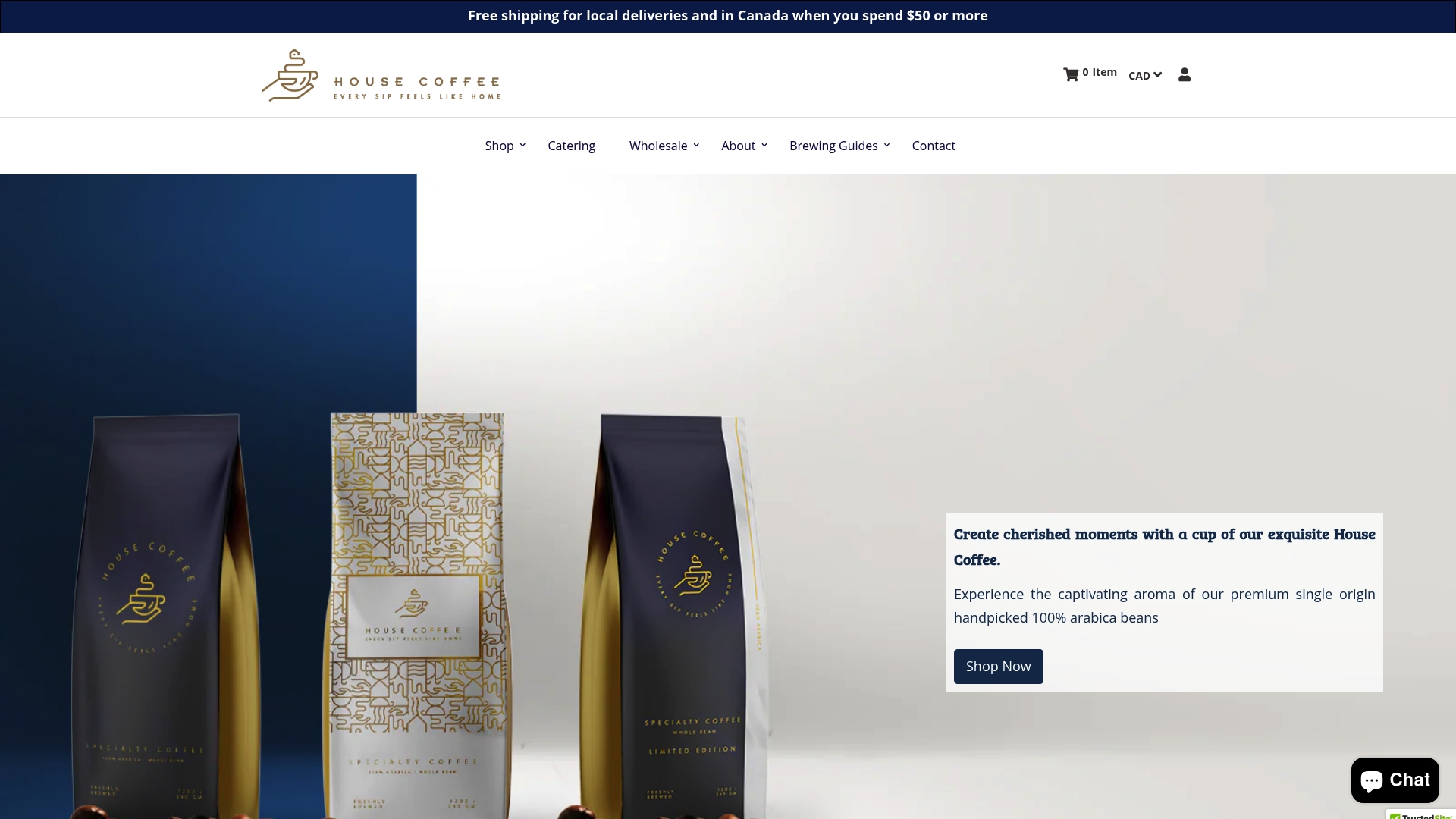
The gold collection elevates your experience further with premium selections representing the pinnacle of quality and ethical sourcing. These limited offerings showcase rare microlots and exceptional processing methods that create unforgettable cup profiles. When you’re ready to make fresh, ethically sourced coffee a consistent part of your routine, explore subscription options providing flexible delivery schedules matching your consumption patterns. Each subscription brings the convenience of automatic delivery combined with the assurance of supporting farming communities fairly while enjoying coffee at its absolute freshest.
Frequently asked questions about coffee subscriptions
What factors make coffee subscriptions fresher than store-bought coffee?
Subscriptions deliver coffee roasted within 2-7 days of shipping, preserving volatile aromatic compounds that create complex flavors and aromas. Supermarket coffee often sits in warehouses and on shelves for months, well past the optimal consumption window when flavors remain vibrant. This freshness advantage makes the difference between flat, stale cups and exceptional brewing experiences.
How do coffee subscriptions ensure ethical sourcing practices?
Quality subscriptions prioritize direct trade relationships where roasters visit farms personally, establish transparent agreements, and pay premiums well above commodity or fair trade minimums. These relationships ensure farmers receive fair compensation while supporting sustainable practices like shade-grown cultivation and organic farming. The transparency inherent in direct trade provides verifiable impact that certifications alone cannot guarantee, making ethically sourced coffee a reality rather than marketing language.
Can I customize my coffee subscription to suit my preferences?
Most quality subscriptions offer extensive customization including roast level selection, origin preferences, grind settings matching your brewing equipment, and flexible delivery frequencies. Services providing robust personalization see 34% higher retention because subscribers feel the experience adapts to their evolving tastes rather than forcing compromises. Look for subscriptions with easy modification through web dashboards or mobile apps rather than requiring customer service contact.
What should I do if I have leftover coffee from my subscription?
Use pause or skip features proactively when inventory accumulates, adjusting delivery frequency to match actual consumption patterns. Most subscriptions allow modifications through online dashboards without penalties or complicated processes. Review your inventory two weeks before scheduled deliveries and make adjustments immediately rather than letting bags pile up, preventing waste and subscription fatigue that leads to cancellation.
Are coffee subscriptions cost-effective compared to buying packaged coffee?
Subscriptions typically cost $20-35 monthly depending on quantity and quality tier, which aligns with or slightly exceeds premium supermarket coffee prices. However, the freshness guarantee, ethical sourcing, and quality differences justify the investment for enthusiasts prioritizing exceptional flavor and social impact. Mid-tier subscriptions around $20-25 monthly offer optimal value while maintaining specialty-grade quality unavailable in most retail stores.
Recommended
- Master the role of coffee gifting with quality and care – House Coffee
- Premium Coffee Gifts: Elevating Everyday Gifting – House Coffee
- Premium Coffee Gifting: 80+ SCA Score Defines Quality – House Coffee
- 7 Benefits of Ethically Sourced Coffee for Conscious Drinkers – House Coffee
- Sustainable Coffee Wholesale | Eco Friendly Supplier | Devon Somerse
-
Posted in
en, why join coffee subscriptions